After studying 1,872 specimens spanning 264 breeds, researchers concluded that two-thirds of today's domestic dogs have wolf DNA — even the chihuahua.
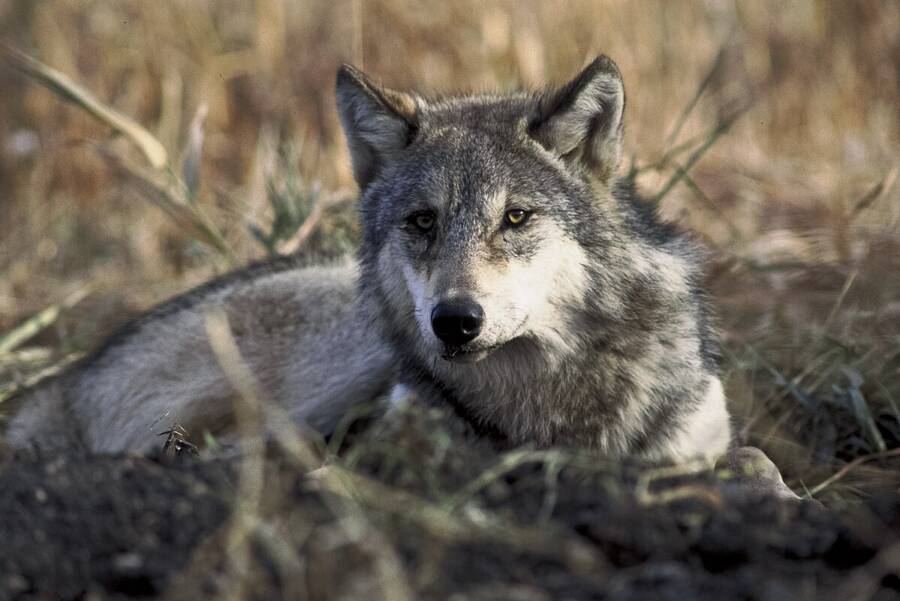
Wikimedia CommonsMost modern dogs have at least a little recent wolf DNA that entered their genome after the two species’ evolutionary split roughly 20,000 years ago.
Most of today’s domesticated dogs have noticeable, albeit often small, amounts of wolf DNA in their genome, according to a new study.
This discovery challenges the theory that, since dogs made their evolutionary split from wolves roughly 20,000 years ago, there has been very limited breeding between the two groups. Researchers analyzed nearly 2,700 genomes from modern and ancient canines and found that most modern domesticated dogs have at least a little recent wolf DNA.
Furthermore, the wolf DNA present in modern dogs may have had an impact in shaping their behaviors and adaptability to human environments. However, the exact correlation between prevalence of wolf DNA and a given dog’s behavior remains unclear.
How Researchers Uncovered Recent Wolf DNA In The Genomes Of Modern Dog Breeds
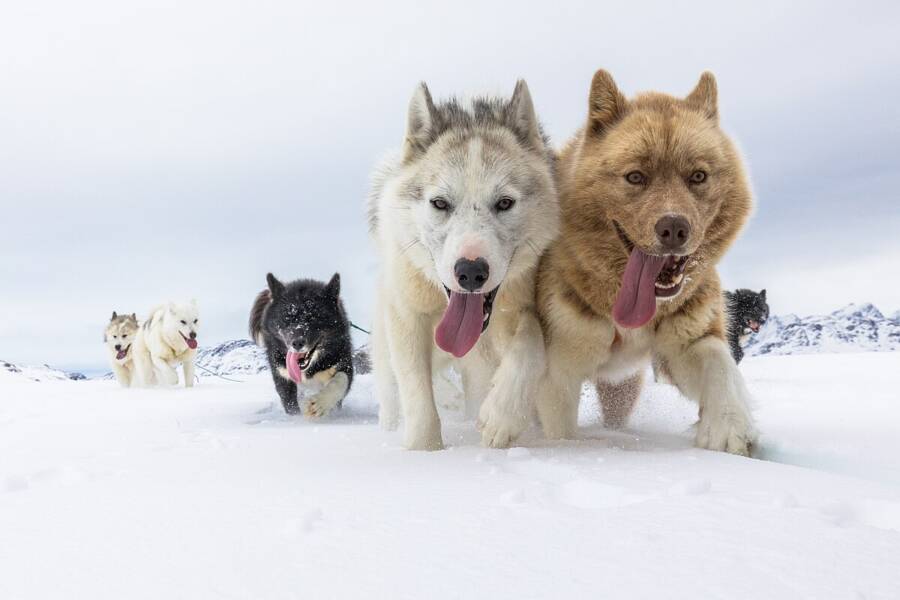
Wikimedia CommonsResearchers analyzed nearly 2,700 canine genomes.
The new study, which was published in the Proceedings of the National Academy of Sciences, found that at least two-thirds of modern dog breeds have wolf DNA that was acquired about 1,000 generations ago. This would have been after domesticated dogs and wolves split off from each other in the evolutionary tree.
“Prior to this study, the leading science seemed to suggest that in order for a dog to be a dog, there can’t be very much wolf DNA present, if any,” said lead study author Audrey Lin in a statement from the American Museum of Natural History. “But we found if you look very closely in modern dog genomes, wolf is there. This suggests that dog genomes can ‘tolerate’ wolf DNA up to an unknown level and still remain the dogs we know and love.”
While there have been times when dogs and wolves have been deliberately cross-bred, there had previously been little evidence to suggest regular breeding between the two groups since the two species split. This is despite the fact that these two groups have often inhabited similar environments.
To further investigate how often wolves and dogs may have actually cross-bred, the researchers looked at the genomes of 146 ancient dogs and wolves covering about 100,000 years of history. They also studied 1,872 modern dogs, including everything from golden retrievers, to chihuahuas to malamutes — 246 breeds in total.
Researchers also included about 300 “village dogs” in their analysis, or dogs that are not owned by one specific person, but instead are independent yet rely on proximity to human environments in order to live. While these dogs, unsurprisingly, had a higher proportion of wolf DNA than their fully domesticated counterparts, the other data regarding amounts of wolf DNA in various breeds was often unexpected.
How Much Wolf DNA Is In Each Of Today’s Various Dog Breeds?
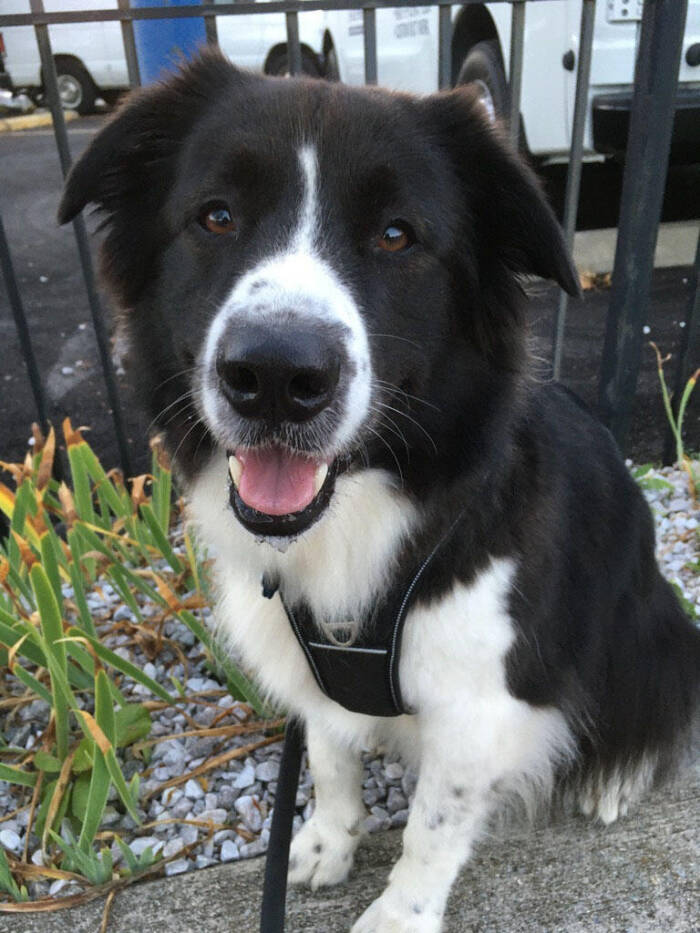
Audrey LinPip, a shepherd mix, as photographed by one of the new study’s lead authors.
Unsurprisingly, dog breeds like the Czechoslovakian and Saarloos wolfdogs had the most amount of recent wolf DNA, as these dog types were purposefully bred with wolves. Of non-wolfdog breeds, Anglo-French tricolour hounds had the greatest amount of wolf DNA, averaging between 4.7 and 5.7 percent.
Shiloh shepherds weren’t too far behind with about 2.7 percent wolf DNA. In general, dogs bred to complete specific tasks, such as sled dogs, had more wolf ancestry than other breeds.
But it wasn’t just the larger, working dogs that had higher proportions of recent wolf DNA — even chihuahuas had about 0.2 percent wolf ancestry.
“This completely makes sense to anyone who owns a chihuahua,” Lin said. “And what we’ve found is that this is the norm — most dogs are a little bit wolfy.”

Logan KistlerDogs bred for specific jobs — like Tilly, a sled dog mix — were more likely to have recent wolf ancestry.
Not all modern breeds have wolf DNA, however. In fact, researchers found that some larger, imposing guard dogs — like the Neapolitan mastiff, bullmastiff, and the St. Bernard — had no traceable recent wolf DNA.
Researchers speculate that it’s possible that wolf DNA has contributed to some breeds’ abilities to adapt to human environments, as there is some evidence that it gives them a genetic advantage. However, more research is needed to conclude whether a correlation exists between wolf ancestry and dog behavior.
“When dogs encountered evolutionary challenges such as how to survive harsh climates, scavenge for food in the streets or guard livestock, it appears they’ve been able to tap into wolf ancestry as part of their evolutionary survival kit,” Lin and study co-author Logan Kistler wrote in The Conversation.
But still, much about the connection between wolves and modern dogs remains a mystery.
After reading about the wolf DNA present in modern dogs, discover the stories of these famous dogs from history. Then, meet the dogs of famous historical figures and celebrities of decades past.