ATI TOPICS
science
Latest


Before dying at age 88 on February 17, 2025, James Harrison donated blood regularly for six decades, saving millions of babies from the fatal disease Rhesus D thanks to a rare antibody in his plasma.
Before dying at age 88 on February 17, 2025, James Harrison donated blood regularly for six decades, saving millions of babies from the fatal disease Rhesus D thanks to a rare antibody in his plasma.


The newly grown date palm trees — named Adam, Hannah, Uriel, Boaz, Jonah, and Judith — sprouted from ancient seeds sourced from historical sites in Israel.
The newly grown date palm trees — named Adam, Hannah, Uriel, Boaz, Jonah, and Judith — sprouted from ancient seeds sourced from historical sites in Israel.
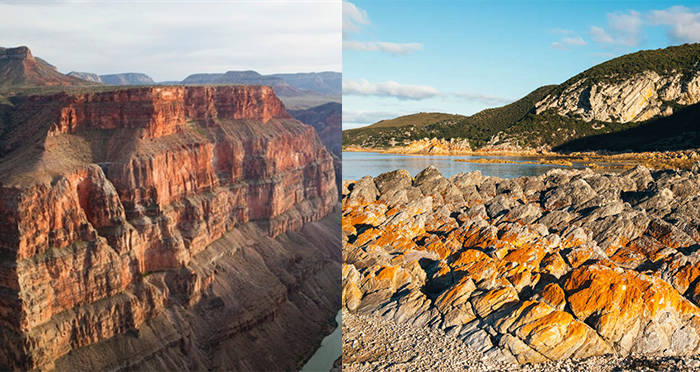
"It's really a good link and tie that allows us to build full plate models of the ancient Earth."
"It's really a good link and tie that allows us to build full plate models of the ancient Earth."
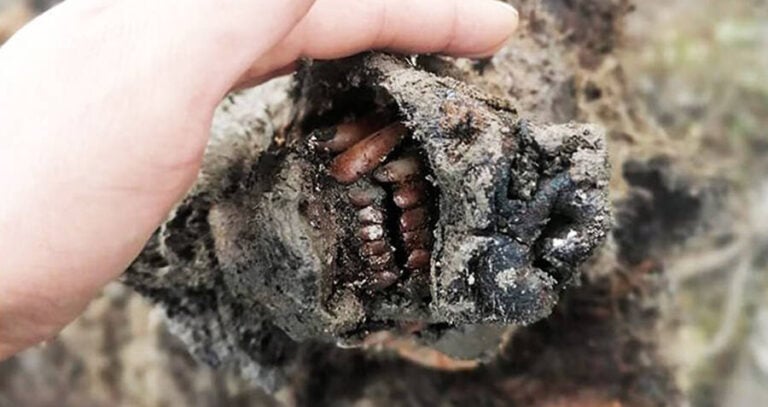
Before this discovery, only the bones of cave bears had been found.
Before this discovery, only the bones of cave bears had been found.


The teenager was born with the legs, buttocks, and genitalia of his parasitic twin protruding from his chest.
The teenager was born with the legs, buttocks, and genitalia of his parasitic twin protruding from his chest.
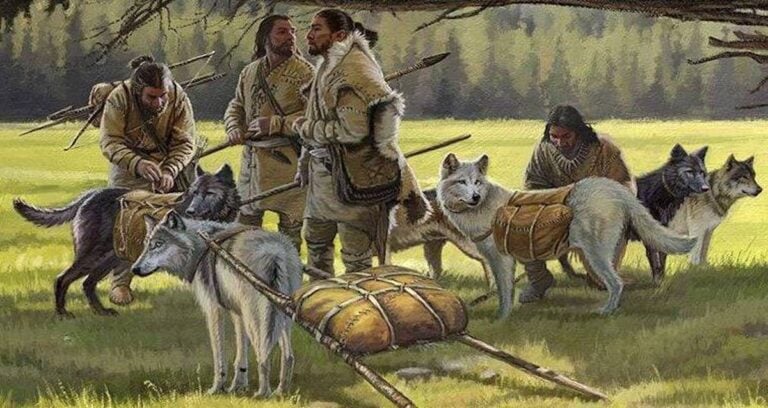
According to new mathematical models, dogs could have domesticated themselves via bonding with humans while scavenging for food at Paleolithic settlements starting around 30,000 years ago.
According to new mathematical models, dogs could have domesticated themselves via bonding with humans while scavenging for food at Paleolithic settlements starting around 30,000 years ago.
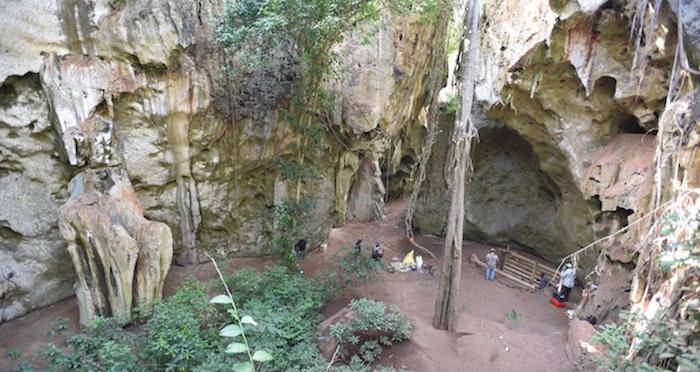
The discovery shows that humans' remarkable ability to adapt is the real reason major advances happened during the Stone Age.
The discovery shows that humans' remarkable ability to adapt is the real reason major advances happened during the Stone Age.
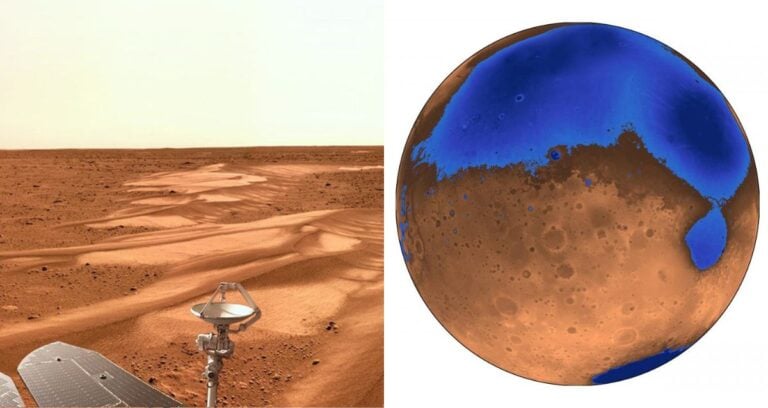
Based on geological data gathered by China's Zhurong rover, researchers believe they have found evidence of beaches on Mars, adding further credence to the theory that the Red Planet was once covered in liquid water.
Based on geological data gathered by China's Zhurong rover, researchers believe they have found evidence of beaches on Mars, adding further credence to the theory that the Red Planet was once covered in liquid water.
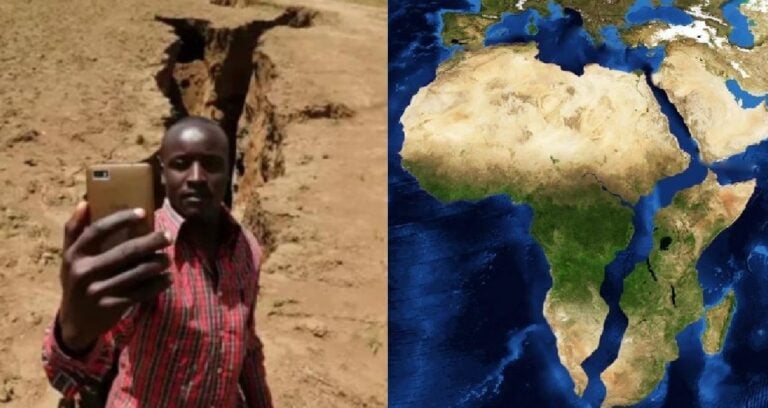
Africa's split is due to tectonic activity in the Great Rift Valley that will eventually divide the continent and create a new, sixth ocean.
Africa's split is due to tectonic activity in the Great Rift Valley that will eventually divide the continent and create a new, sixth ocean.
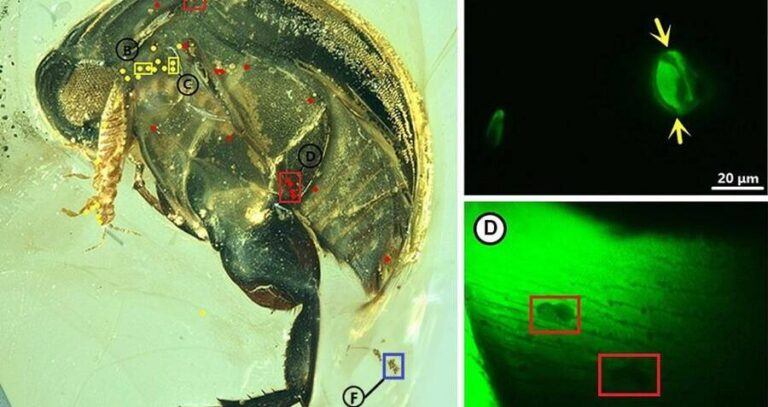
"This specimen perfectly illustrates the cooperative evolution of plants and animals during this time period."
"This specimen perfectly illustrates the cooperative evolution of plants and animals during this time period."
PO Box 24091
Brooklyn, NY 11202-4091