From mercury-drinking Chinese emperor Qin Shi Huang to a baby raised on an “eternity diet” by a New York cult, people have turned to bizarre methods throughout history to find the secret of immortality.
Death is an inevitable part of life. People are born, they live their lives, and then they die. This has always been the case, and for now, at least, the unending cycle continues. However, throughout history, there have been those who sought to rebel against the natural order — and defy death itself.
The idea of immortality is nothing new. Since the earliest tales of humanity, the concept of living forever has remained a pervasive fixture, an unachievable goal that just so happens to make for enjoyable fantasy or science fiction.
But what if immortality was truly achievable? Could humanity grasp the unlimited potential of a life extended beyond its natural limitations? These are the questions the nine people on this list sought to answer. Of course, their various attempts at immortality did not pay off.
Qin Shi Huang, The Chinese Emperor Who Wanted To Live Forever
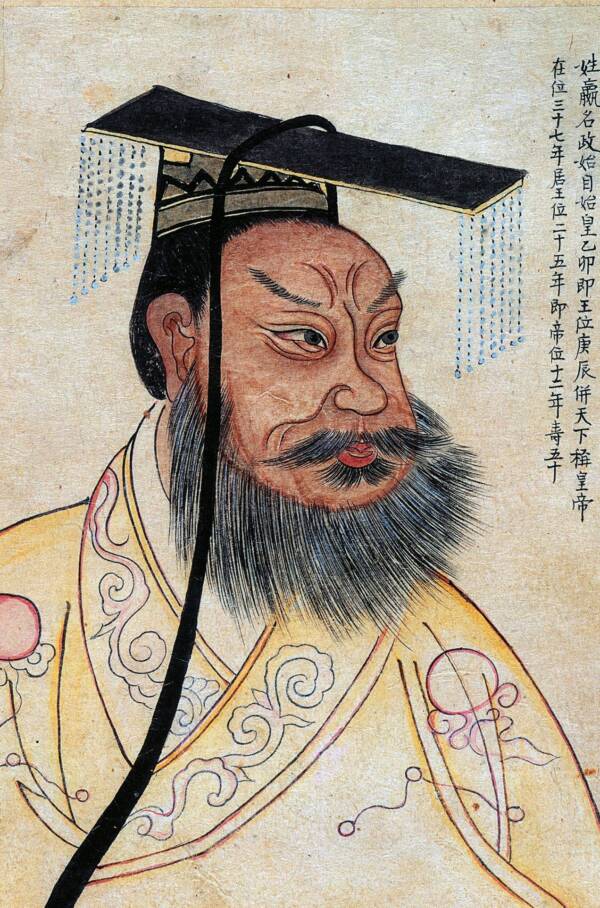
Wikimedia CommonsA portrait of Qin Shi Huang, the first emperor of China.
More than 2,200 years ago, the first Chinese emperor Qin Shi Huang began seeking a potion that would grant him immortality. The emperor even issued a nationwide call for his subjects to search for an elixir of life.
In 2002, 36,000 wooden strips with ancient calligraphy were found in an abandoned well in China’s Hunan province. A later study determined that some of the strips contained messages in response to Qin Shi Huang’s bizarre decree.
According to the Chinese outlet Xinhua, one of the messages stated that although villagers in Duxiang hadn’t yet discovered the desired potion, they would keep looking. Another strip suggested that an herb from a nearby mountain may help the emperor.
It’s believed that the emperor may have eventually resorted to consuming cinnabar, or mercury sulfide, in an effort to live longer. Ironically, that may be what killed him at the age of 49.
In fact, Qin Shi Huang’s death is perhaps what he is most famous for. In 1974, farmers stumbled across the emperor’s tomb — and the 8,000 life-sized terracotta warriors guarding it.
Pope Innocent VIII, The Supreme Pontiff Who Drank The Blood Of Children
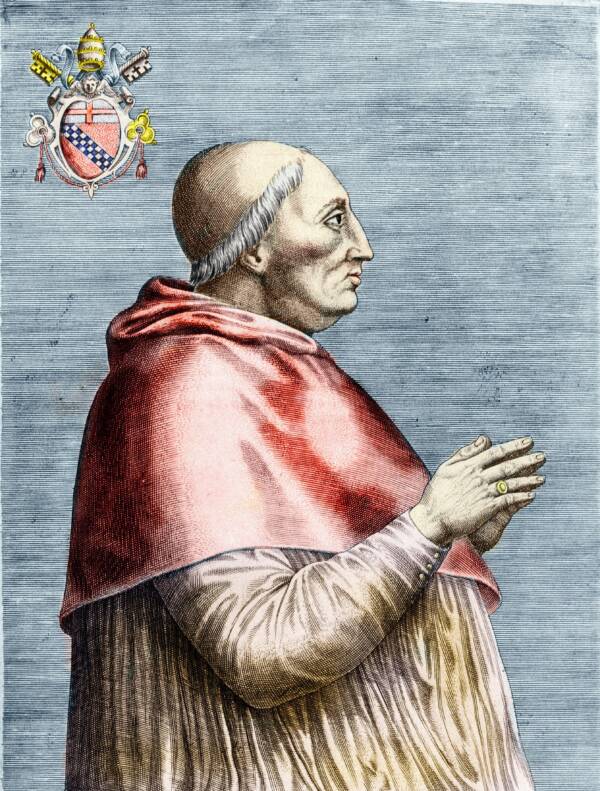
SPCOLLECTION/Alamy Stock PhotoA portrait of Pope Innocent VIII.
A common theme in many fictional stories about immortals is blood. Tales of vampires may be the best example of this: The monsters feed on the blood of their innocent victims to extend their own eternal lives.
As it turns out, the idea of drinking blood as a method of extending life isn’t completely fictional. Per a study published in Transfusion Medicine Reviews, one of the first instances of a blood transfusion may have occurred in 1492 — and the recipient was none other than Pope Innocent VIII.
It should be noted that, despite being a holy man, Pope Innocent VIII was not the sort of person his name would suggest. He sired several illegitimate children and was obsessed with money and power. In fact, the pope’s time in the Holy See was largely marked by an increase in immorality among the clergy.
As the pope aged, his health began to decline sharply. He suffered a stroke in 1488, and by 1492, he was nothing more than “an inert mass of flesh.”
Pope Innocent VIII recruited a Jewish physician to help save his life. According to various historical sources, the doctor took the blood of three young boys, killing all of them in the process. Some stories suggest that the blood was somehow infused into the pope’s veins — but most indicate that he drank it.
The boys’ lives were sacrificed for no reason, as Pope Innocent VIII died just days later, on July 25, 1492.