For 300 years, the causes of the Salem witch trials have been hotly debated. Some blame boredom and teenage angst while others blame a hallucinogenic fungus.
In 1692, the quiet Puritan settlement of Salem, Massachusetts descended into madness when its residents suddenly began accusing each other of witchcraft.
Now known as the Salem witch trials, this phenomenon would go on to become the largest witch hunt in American history. But what caused the Salem witch trials in the first place?
Between 1692 and 1693, more than 200 people were accused of practicing witchcraft in Salem — and 20 were executed. But almost as suddenly as the trials began, they stopped. Salem came to its senses — and life carried on.
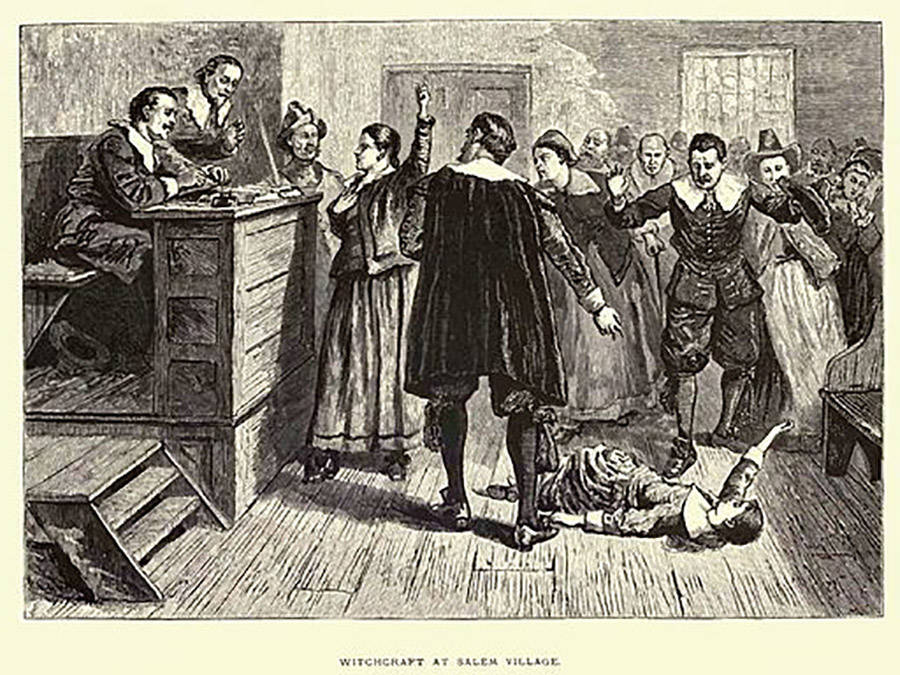
Wikimedia CommonsThe Salem witch trials of 1692 led to 200 accusations of witchcraft and 20 executions.
Since then, the Salem witch trials have fascinated and perplexed scholars like few other episodes in American history. Many experts believe misogyny played a big role, especially since most of the victims were women.
However, some men were also put to death during the Salem witch trials.
Perhaps the most infamous case was Giles Corey, an 80-year-old farmer who refused to stand trial after being accused of wizardry. Denied the typically quicker execution of hanging, he was instead “pressed” to death by stones, which were piled on top of him one at a time.
Not even the animals were safe: At least two dogs were executed due to their alleged involvement in witchcraft. So even though gender played a role in the Salem witch trials, it couldn’t have been the only factor.
What really caused this quiet Puritan town to descend into total paranoia and persecution? Let’s take a look at some of the most popular theories:
Post-Traumatic Stress From The Native American Wars
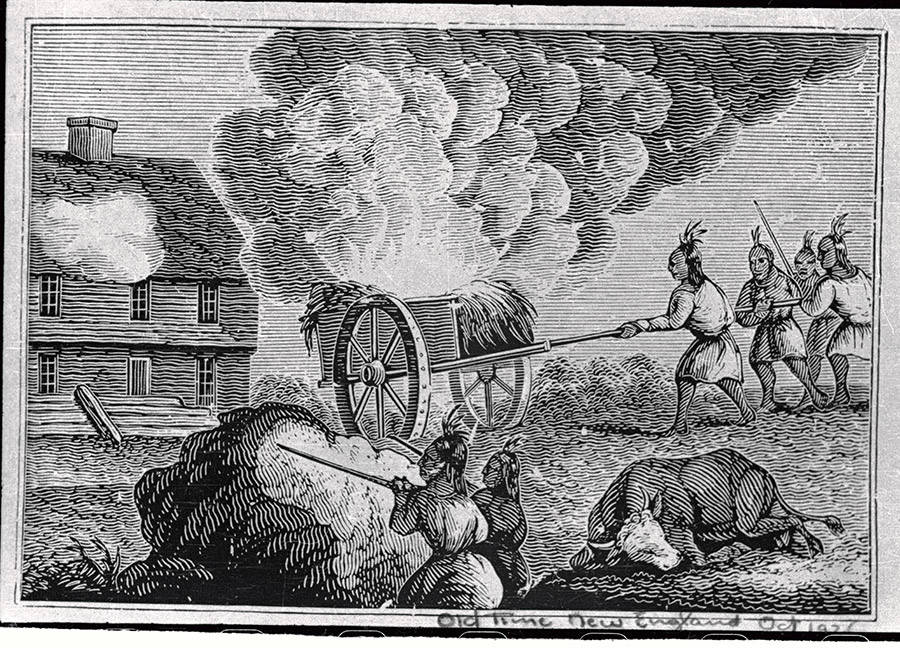
Getty ImagesSome Salem residents had witnessed Native American raids and attacks prior to being “bewitched.”
One theory suggests that the Native American Wars may have contributed to the hysteria that took hold in Salem in 1692. One of the brutal conflicts, known as King Philip’s War, raged in the colonies during the 1670s. And the front lines of this battle were not that far from Salem.
Most people in the region had been impacted in one way or another by the wars, and this created an atmosphere of intense anxiety. Many were afraid of further attacks and raids from neighboring Native American tribes.
Some of the “afflicted girls” who accused women of “bewitching” them had actually witnessed some earlier raids prior to making their claims. So it’s been suggested that watching those attacks may have caused some post-traumatic stress, which might have played a role in inspiring these accusations in the first place.
Historian Mary Beth Norton believes that the Native American Wars may have impacted the trials in another way.
She suggests that the accusation and execution of ex-minister George Burroughs — who led a number of failed military campaigns against the Native Americans — indicates that town officials were trying to shift “blame for their own inadequate defense of the frontier” onto supernatural causes.
In other words, they wanted to believe that the devil was threatening them instead of their own weaknesses. So if safety was just a witch-hanging away — in the minds of the public at least — it would be a powerful incentive to root out the culprit who was terrorizing their community.
Boredom And Guilt During Puritan Times
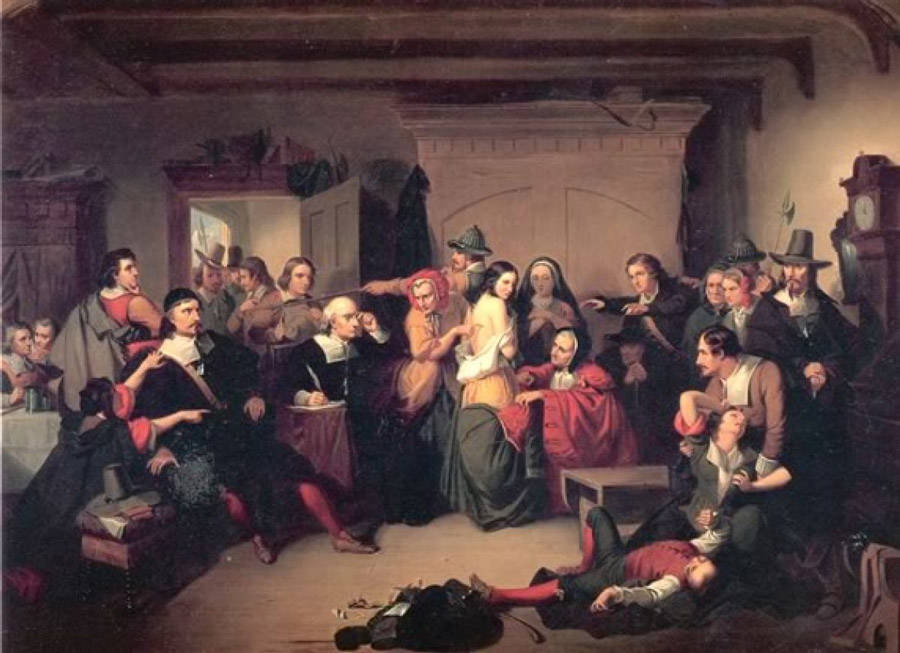
Wikimedia CommonsAlleged witches underwent brutal “tests” in Salem, including being stripped and examined for any strange blemishes.
The witch trials began in early 1692 after 9-year-old Betty Parris and her 11-year-old cousin Abigail Williams began to exhibit some strange behavior.
They hid under furniture, cried out in pain, and sometimes even barked like dogs. Samuel Parris, the father of Betty Parris, called for a physician to look at the girls. Since the doctor found nothing physically wrong with them, it was then concluded that the girls had been “bewitched.”
But some sources suggest that the girls may have been acting strangely because they were simply frightened by a fortune-telling game.
In Salem at the time, children were restricted from almost all forms of play. They were expected to spend most of their time doing chores and studying the Bible. This lack of stimulation naturally led to boredom.
And this boredom may help to explain why Betty Parris and Abigail Williams became so interested in fortune-telling, which was allegedly introduced to them by a slave named Tituba. As one of their only outlets for activity, they naturally became drawn to these superstitions.
That’s why some believe that their involvement in these forbidden activities — and a combination of guilt and fear they felt from participating in them — may have been the real cause of their strange behavior.
Teen Angst And Patriarchal Oppression
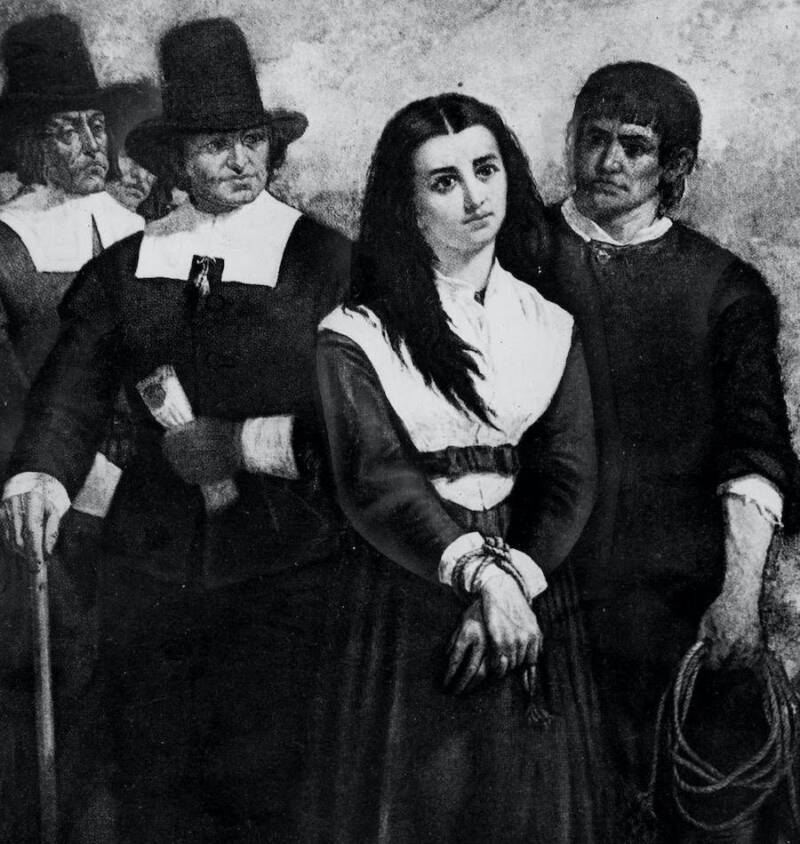
Wikimedia CommonsAn alleged witch is led to her execution in Salem, Massachusetts.
Some of the first people who accused others of being witches in Salem were very young girls. And many accusers that followed were teenagers or in their early 20s.
Of course, it wasn’t just young people who were making claims about alleged witches. But the fact that their accusations were so prominent early on have led some to believe that simple teenage angst may have been a factor that led to the Salem witch trials.
In the book Entertaining Satan: Witchcraft and the culture of Early New England, John Putnam explores the idea that the witch trials were essentially a teenage rebellion against the Puritan authority of the older generation. After all, most of the people accused of being witches were adults.
If teen angst truly inspired young women to make these accusations, then these feelings could have very well stemmed from the patriarchal oppression of the time. But whether that was true or not, older women often bore the worst effects of this oppression during the actual trials.
Some feminist historians have interpreted the Salem witch trials as just another way that the patriarchy persecuted women who acted in ways that were different from the accepted social norms of the time.
As was the case with many similar witch hunts in Europe, women were the primary targets of accusation during the Salem witch trials – particularly women who acted unusually for the era.
While the exact cause of the Salem witch trials remains contested, there is almost no doubt that underlying social forces played a role.
Cold Weather Before The Salem Witch Trials
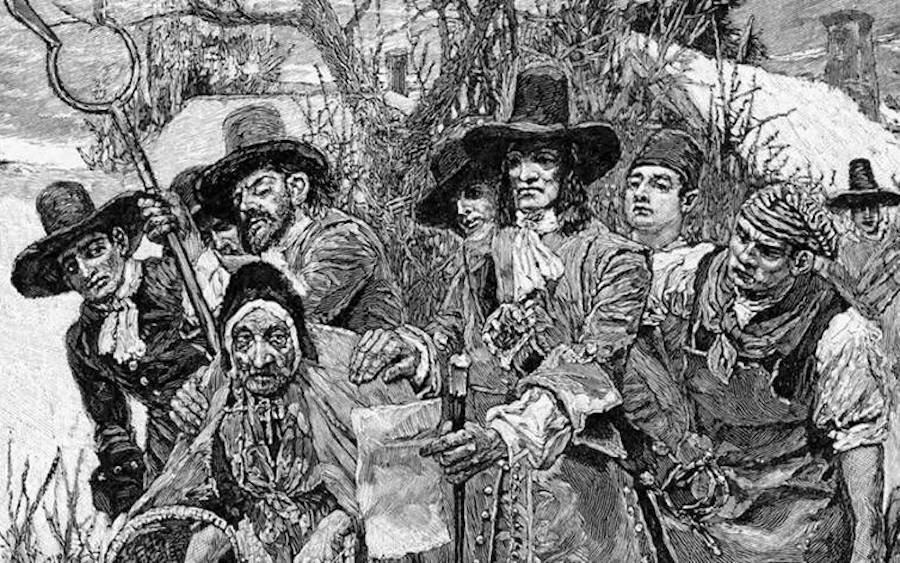
Wikimedia CommonsWhile many victims were hanged during the Salem witch trials, some faced even more brutal executions.
It may sound strange, but cold weather has been suggested as a potential cause of the Salem witch trials. In 2004, Harvard graduate Emily Oster suggested this theory in her senior thesis.
In her paper, Oster points out that the most active era of witchcraft trials in Europe and other places coincided with a 400-year period of lower-than-average temperatures.
“The most active period of the witchcraft trials (mainly in Europe) coincides with a period of lower-than-average temperature known to climatologists as the ‘little ice age,'” Oster wrote.
“The colder temperatures increased the frequency of crop failure, and colder seas prevented cod and other fish from migrating as far north, eliminating this vital food source for some northern areas of Europe.”
Oster posited that “people would have searched for a scapegoat in the face of deadly changes in weather patterns.” As it turns out, the year 1692 fell right in the middle of a 50-year-long cold spell from 1680 to 1730, giving some weight to the theory.
On top of that, many people at the time believed that witches were able to control the weather and destroy crops. So when people suffered from poor harvests and bad weather, some may have concluded that it was all the work of witches.
Did Hysteria Itself Cause The Salem Witch Trials?
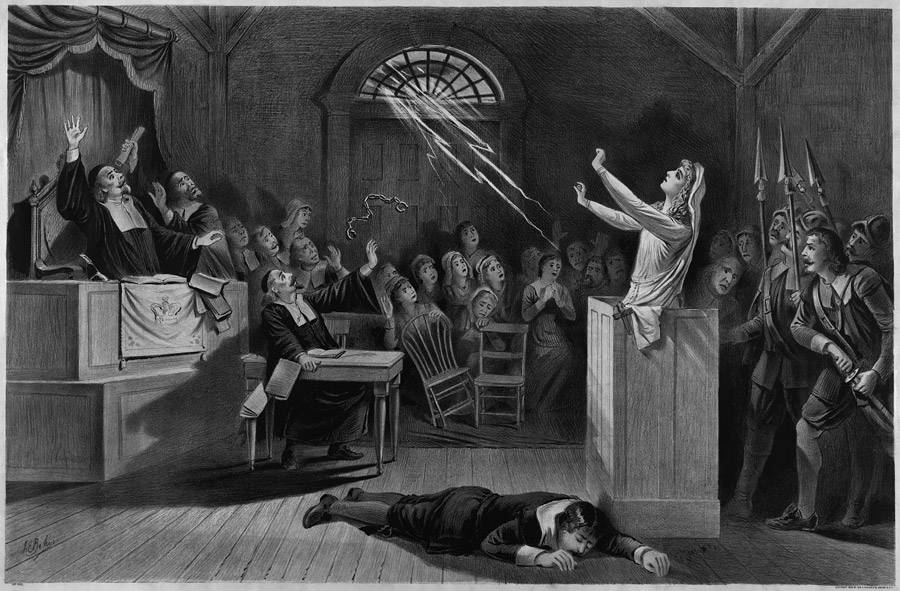
Wikimedia CommonsIn reality, authorities scrambled to find “evidence” that alleged witches had powers.
While mass hysteria is usually associated with the time that the trials were happening, some have proposed that it may have caused them as well.
Mass hysteria has been defined as the “rapid spread of conversion disorder, a condition involving the appearance of bodily complaints for which there is no organic basis. In such episodes, psychological distress is converted or channeled into physical symptoms.”
Some have argued that this is exactly what the girls who were first “bewitched” were experiencing. The stress of living in such a rigid and religious society on the dangerous wilderness frontier may have led these girls to convert this stress into physical symptoms.
The hysteria experienced by the girls may then, in turn, have triggered a collective delusion among the villagers that witches were in their midst. If pretty much everyone was feeling the same way, this could’ve certainly paved the way for a witch hunt.
Mass hysteria was clearly at work, but how much of a feedback loop these delusions created can probably never be known. Regardless, it’s a compelling theory that can’t easily be discounted as a rational explanation for what caused the Salem witch trials.