Positioned on the edge of Lake Biel, the village was founded in 3842 B.C.E. and existed for only five years before it was wiped out by a storm in the summer of 3838 B.C.E.
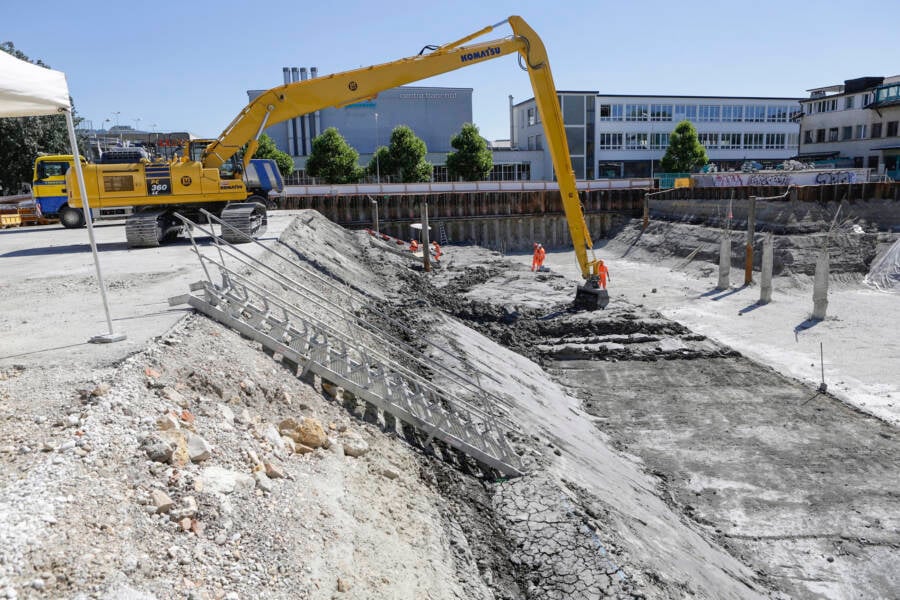
Archaeological Service of the Canton of Bern, Khaled BordjiThough the village’s prehistoric residents seemingly tried to rebuild it after the storm, they ultimately abandoned it and moved on.
For five years, a Neolithic village on the shores of Switzerland’s Lake Biel existed peacefully. Its residents constructed almost two dozen houses, produced goods like ceramics and tools, and traded with surrounding settlements. But roughly 5,860 years ago, this quiet existence came to a sudden and violent end when the village was destroyed by a terrible storm.
Ultimately abandoned by its residents, the ruins of the village slowly sunk into the murk surrounding Lake Biel. But during construction of a new university campus, archaeologists have rediscovered the village — and uncovered fascinating insights about the people who once called it home.
The Neolithic Village Destroyed By A Violent Storm In 3838 B.C.E.
According to a statement from the Canton of Bern, the destroyed Neolithic village was uncovered during excavations in Biel ahead of the construction of a new campus for the Bern University of Applied Sciences. During these excavations in “the heart of Biel,” archaeologists discovered the ruins of the village at a depth of about 15 feet.
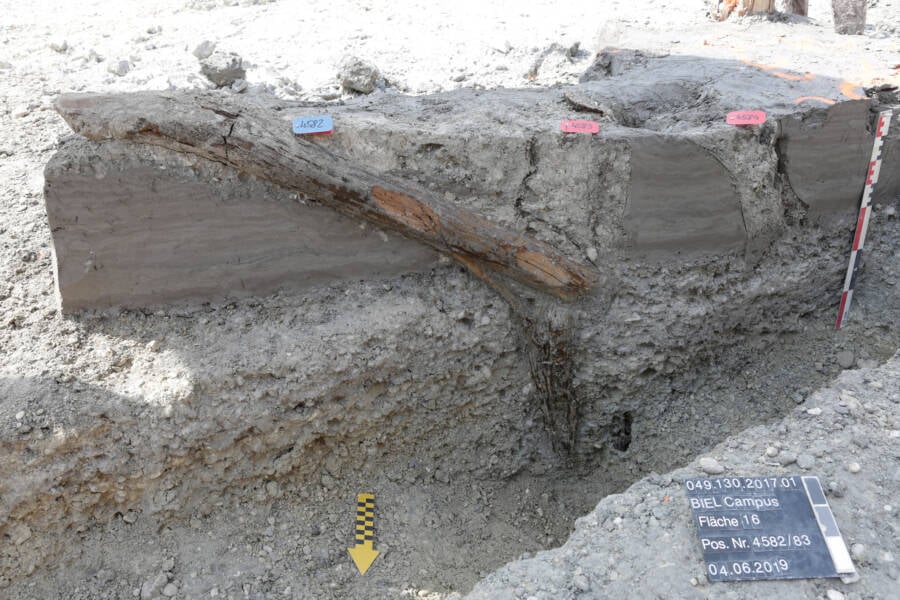
Archaeological Service of the Canton of Bern, Stefan AebersoldA building post found along the northern edge of the Neolithic village in Biel.
Archaeologists uncovered 1,300 posts driven into the ground which had once supported wooden houses, as well as 700 other pieces of well-preserved wood. Archaeologists were then able to reconstruct the layout of the village, which once contained 23 houses. Using data from tree rings, researchers were even able to determine that this Neolithic village existed for just five years, from 3842 B.C.E. until 3838 B.C.E.
Eventually, life in this village came to a sudden and violent end when the settlement was battered by a devastating storm in the summer of 3838 B.C.E. Archaeologists found evidence of a “violent westerly storm” that “uprooted several buildings and severely damaged them.” It seems that the village suffered high winds and flooding that left it all but destroyed.
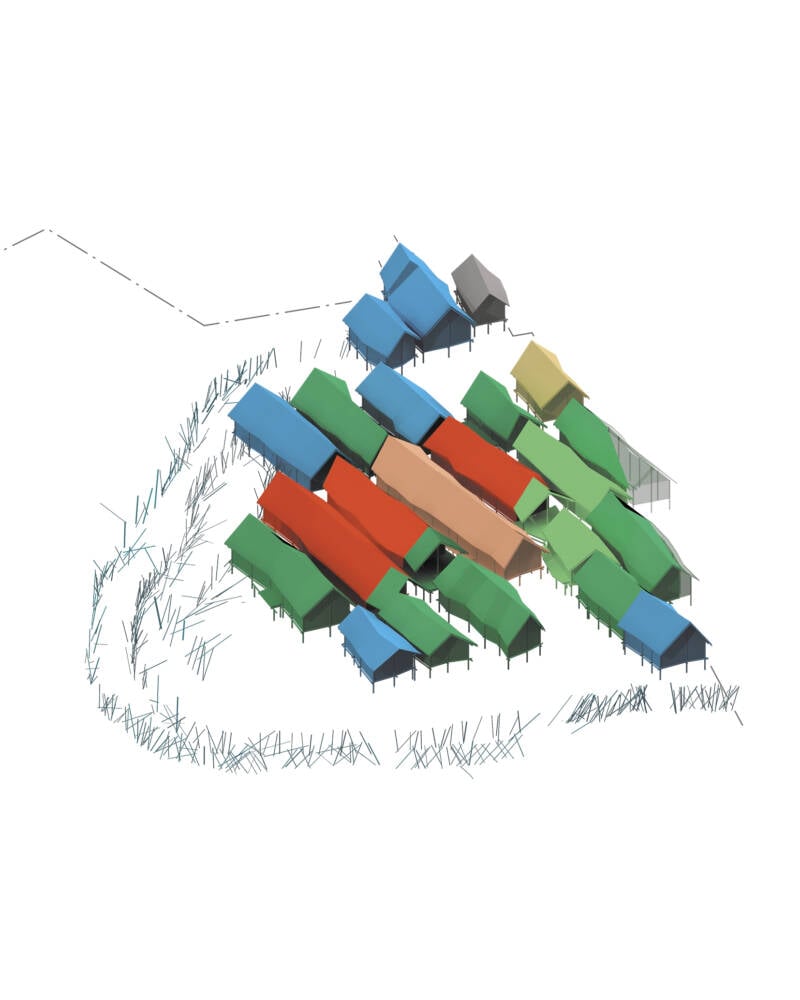
Archaeological Service of the Canton of Bern, Andreas MartiThe layout of the Neolithic village, which existed along Lake Biel for just five years before it was destroyed in 3838 B.C.E.
In the aftermath of the disaster, the residents seemingly tried to rebuilt their homes. Though they ultimately abandoned their efforts and moved on, they left behind a number of objects that shed light on what their lives were like before the great storm came.
Life Inside The Neolithic Village Perched On The Edge Of Switzerland’s Lake Biel
As the Canton of Bern notes, the ruins of the village offered up many insights about the daily lives of its Neolithic inhabitants. Amid the ruins of the wooden homes, archaeologists found ceramic vessels, as well as tools made from stone, bone, and antler. They also found bone and plant remains, allowing researchers to reconstruct the residents’ dietary habits, and confirming that the villagers had a lifestyle similar to that of other contemporaneous settlements in the region.
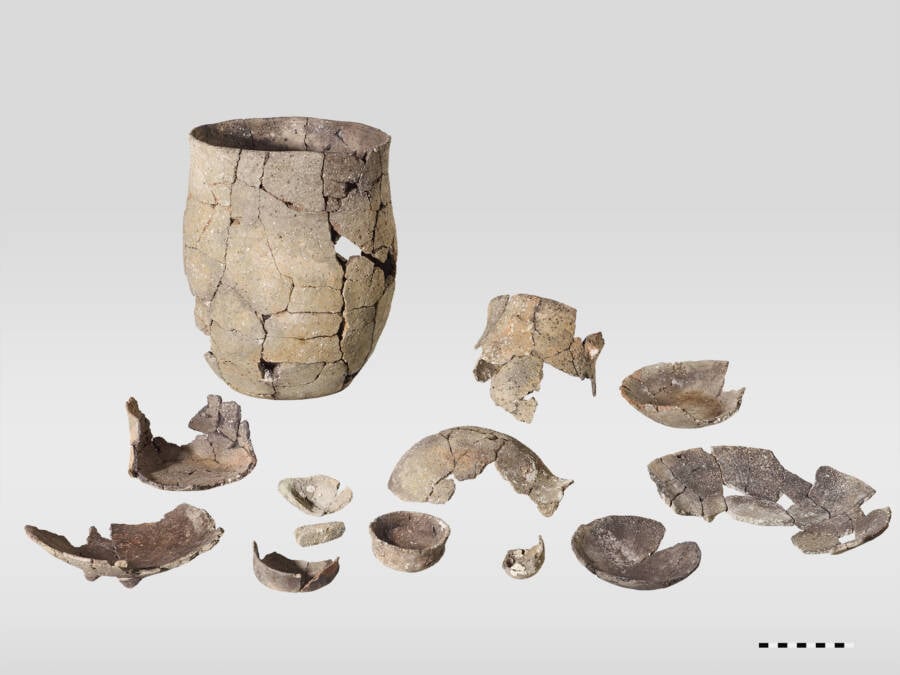
Archaeological Service of the Canton of Bern, Daniel Marchand and Philippe JonerSome of the ceramic vessels that archaeologists found amid the ruins of the Neolithic village.
But while most of what the village used and consumed came from local sources, archaeologists also found evidence that the residents had “introduced goods and customs” from far-flung places. Archaeologists believe that the village had connections to Central Switzerland, the Rhône Valley, Provence, Alsace, and “even the Paris Basin.”
In the end, the terrible fate of this Neolithic village is a boon for archaeologists, who have been able to glean rare, valuable insights about Neolithic life from these ruins. This village is, for instance, one of the oldest sites with a known settlement plan that’s ever been found, as well as the oldest site on Lake Biel to be reconstructed with such accuracy.
In that way, it’s a village frozen in time. Though a devastating storm rolled in 5,900 years ago and destroyed the village’s structures and drove out its residents, it also preserved elements of Neolithic life just as they once were. From wooden posts to ceramic vessels, the objects found amid the ruins help shed new light on prehistoric people in this area like never before.
After reading about the Neolithic village that was destroyed by a violent storm some 5,900 years ago, discover the haunting stories of some of the world’s most incredible sunken cities. Then, go inside the eruption of Mount Vesuvius, which buried the Roman town of Pompeii in deadly ash, killings its residents and preserving its structures, mosaics, and more.