Source: iFood
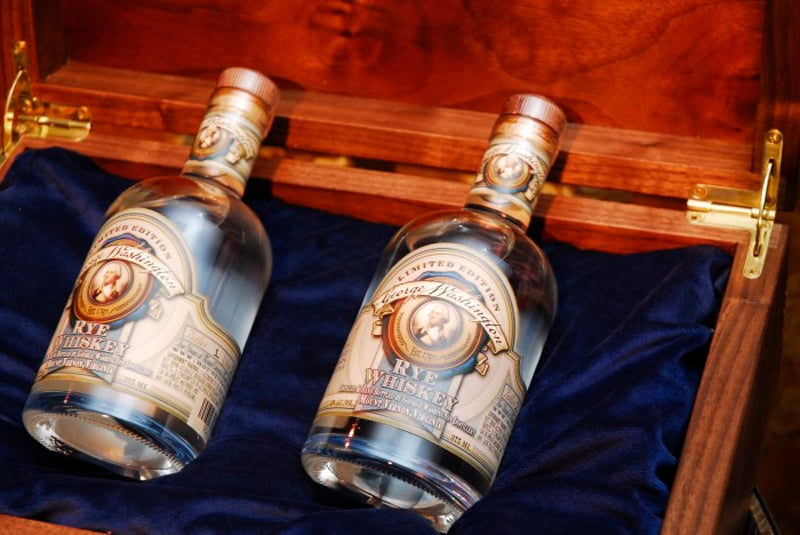
6. Aside from being the first President of the United States, George Washington was also quite the booze hound – and manufacturer. Washington was a savvy businessman who owned one of the largest distilleries in 18th century America, and by 1799 alone he was producing 11,000 gallons of whiskey.
In 1797 George Washington’s farm manager, a Scot named James Anderson, convinced his employer that producing whiskey made from corn and rye grown on the plantation would be a natural complement to his milling business. Washington erected the 2,250 square foot distillery, making it among the largest whiskey distilleries in early America.
Today, the two-story stone distillery is reconstructed and operates seasonally, mashing, fermenting and distilling grain as it was done in the eighteenth century.

Source: Manage Acid Reflux
7. On September 25, 1820, the town of Salem in New Jersey held a trial against… tomatoes. The general populace believed that tomatoes were poisonous, so Robert Johnson stepped in to prove them wrong. To do so, he bravely stood before a crowd at the courthouse and consumed a whole basket of the delectable fruit. Not dying after consumption, the trial was promptly dismissed.
Source: Panoramio
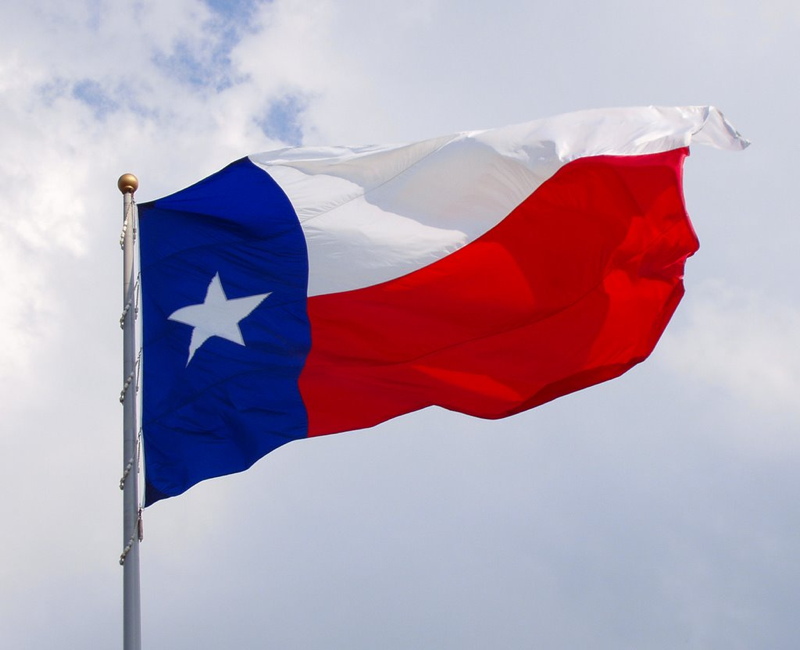
8. In 1842, the Society for the Protection of German Immigrants in Texas (or Adelsverein as it was known in German) set its immigration aspirations on the Republic of Texas. The society was first established in Germany, with the ultimate end goal being swapping spurs for lederhosen and cultivating a German state.
By 1847, over 5,000 German immigrants had established five settlements across the state. A further 2,000 immigrants had arrived by 1853, but the movement failed due to lack of planning, mistrust and bad business sense.
Source: Wikipedia
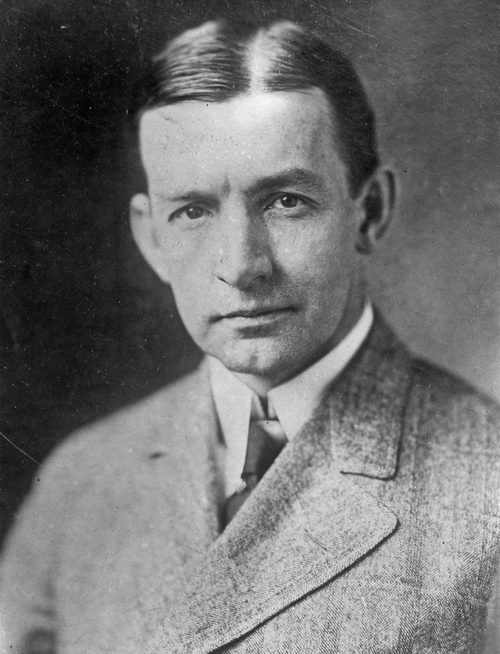
9. The nation’s 30th Vice President, Charles Gates Dawes, has the distinction of being not only a banker and politician prior to assuming the role of Calvin Coolidge’s VP, but also a hit music composer. He enjoyed playing the piano and composing music, and co-wrote the Melody in A Major (or Dawes Melody) in 1911.
Songwriter Carl Sigman added lyrics in 1951, changed the name to It’s All in the Game, and Tommy Edwards later performed it in 1958.The tune topped the charts for six weeks, and has since been covered by Cliff Richard, Nat “King” Cole, Isaac Hayes, Barry Manilow, and other artists. Sadly, Dawes couldn’t hear the fruit of his creative labors; he had been dead for seven years by the time Tommy Edwards first performed the tune.
Source: USA Flag Supply
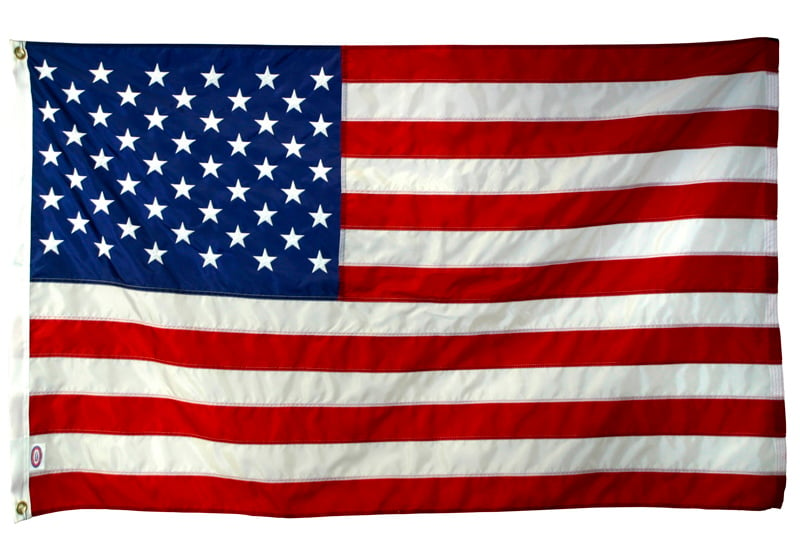
10. The United States’ current 50 star flag was designed as a school project by 17 year-old Robert G. Heft. Heft received a B- for his efforts, but his teacher said he would reconsider the grade if Congress accepted Heft’s ostensibly mediocre design.
In 1959, that’s precisely what happened, and Heft’s design was selected to be the latest iteration of the American flag. His teacher promptly changed the grade to an A.
Expand your American history knowledge even further with these interesting events you may not have been taught in school. Then, discover some of the most interesting facts you’ll ever read.