Babe Ruth died in 1948 after he'd been diagnosed with a rare type of cancer known as nasopharyngeal carcinoma.
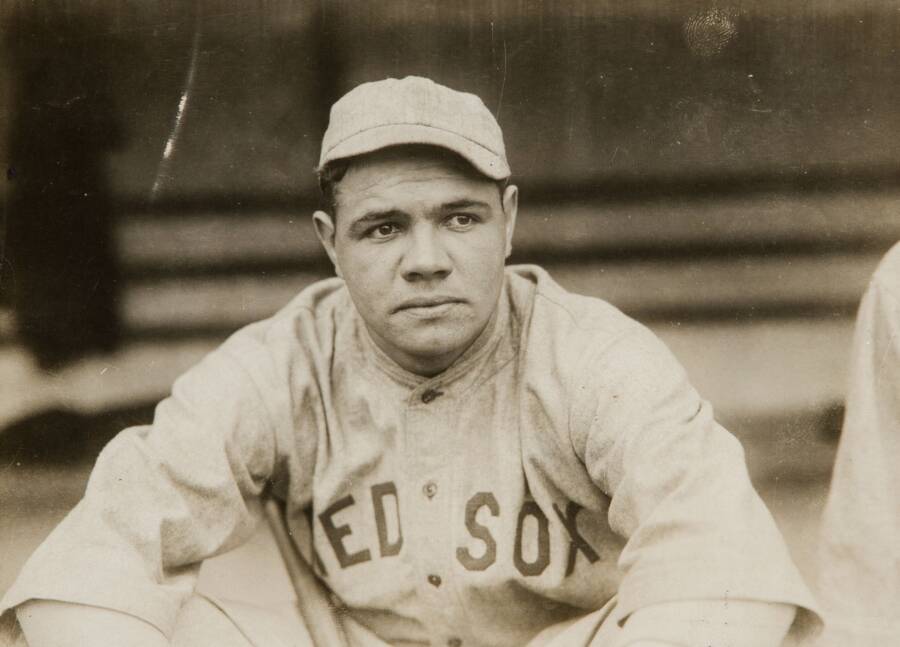
Public DomainBabe Ruth in 1919.
For two decades, Babe Ruth dominated baseball. He hit 40 or more home runs for 11 seasons, led the league in home runs for 12 seasons, and was baseball’s home run leader with a career record of 714 home runs, until he was dethroned by Hank Aaron forty years later. Ruth seemed unstoppable. As such, Babe Ruth’s death at the age of 53 came as a shock.
Ruth began to feel ill in 1946, and doctors soon determined the cause: the baseball star had a rare type of cancer called nasopharyngeal carcinoma, which affects the tissue in the back of the nose and mouth. There was little hope of saving Ruth’s life, but doctors were willing to try — and Ruth agreed to try experimental treatments with new kinds of drugs.
These drugs became the precursor for modern-day chemotherapy, and Ruth was one of the very first people to take them. But doctors were ultimately unable to save his life. Babe Ruth died on Aug. 16, 1948 at the age of 53, and was mourned by tens of thousands of fans at Yankee Stadium.
The Legendary Career Of The ‘Great Bambino’
Born on Feb. 6, 1895, in Baltimore, Maryland, George Herman Ruth developed a passion for baseball at a young age. As a student at St. Mary’s Industrial School for Boys, Ruth was introduced to baseball. He became such a strong player that his teachers invited Jack Dunn, the owner of the Baltimore Orioles to come see him play. Dunn was so impressed that he offered Ruth a contract. Ruth was just 19, and became known as “Jack’s newest babe.”
The nickname stuck. And before long, baseball fans across the country had heard about Babe Ruth.
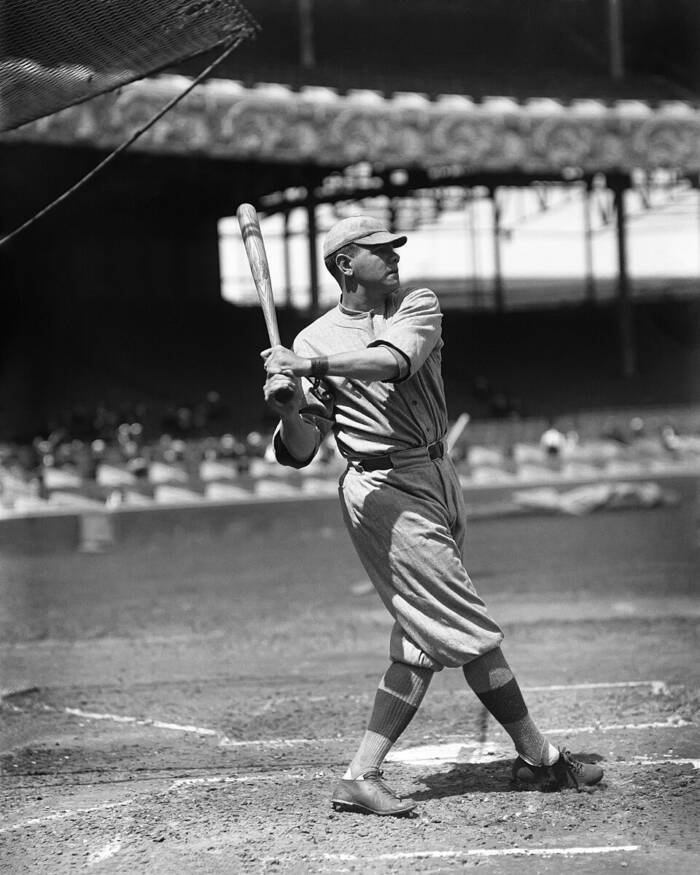
Public DomainBabe Ruth in 1916.
After starting in Baltimore, Ruth was soon sent to play for the Boston Red Sox. He led the team to three championships and hit 29 home runs in 1919, breaking the Major League Baseball single-season home run record. Soon afterward, he was sent to play for the New York Yankees. There, his talent really shone — and Ruth soon became a baseball legend.
In 1920, he hit 54 home runs. In 1921, Ruth hit 59 home runs. And in 1927, the “Great Bambino” hit 60 home runs in a single season, a record that would stand for the next three decades. It’s no wonder that Yankee Stadium, which was built in 1923, became known as the “The House That Ruth Built.”
After a stunning career, the Great Bambino retired from baseball in 1935. But just over a decade later, Babe Ruth died at the age of 53.
A Terminal Cancer Diagnosis — And An Attempted Treatment With Experimental Drugs
Babe Ruth hadn’t always been careful about his health. He was known for drinking soda and downing hot dogs during games, and often paired cigars and whiskey for breakfast. In the 1920s, he’d even had surgery to remove an intestinal abscess and an ulcer. But in the 1940s, Ruth’s health worsened.
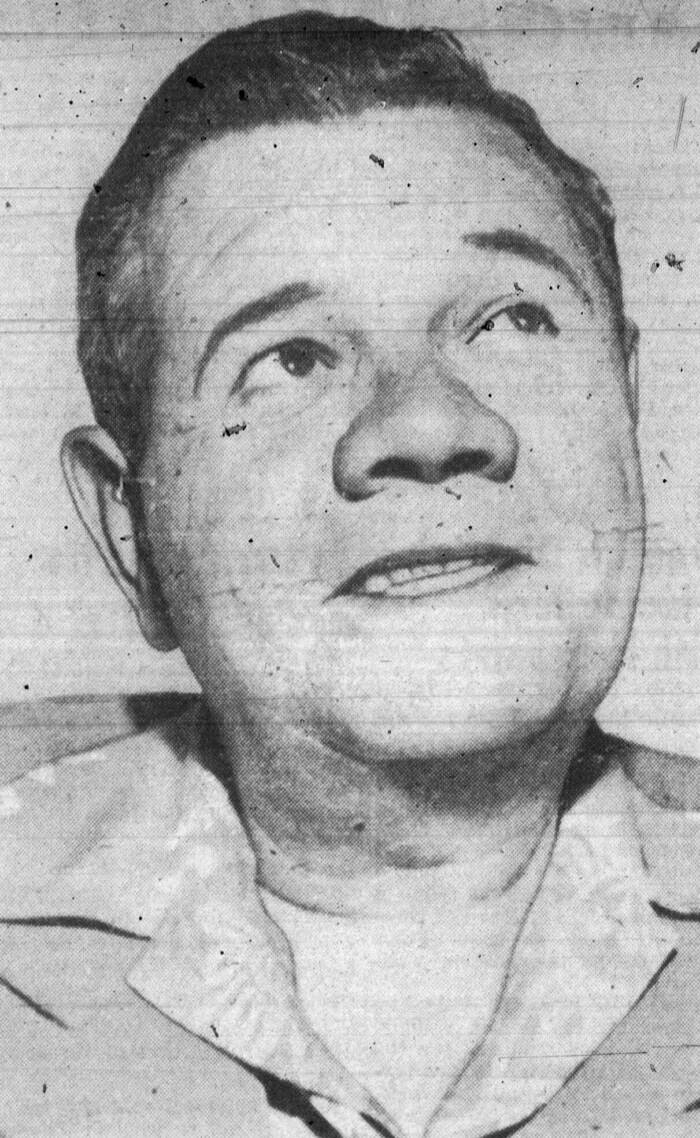
Public DomainBabe Ruth in 1947. By this point, the baseball legend had become very sick.
In 1946, Ruth began to notice that his voice was growing hoarse. What’s more, he’d developed a terrible pain behind his left eye. Doctors ultimately determined that he had a large tumor at the base of his skull, and realized that the baseball legend was suffering from a rare cancer called nasopharyngeal carcinoma. This kind of cancer affects the nasopharynx, the tissue at the back of the nose and throat, and at the time, it was terminal.
Though it’s unknown if Ruth knew his cancer was terminal, as doctors in his era often shielded patients from distressing news, he knew he was badly sick. Ruth could hardly speak, and once described the sound of his voice as similar to “somebody gargling ashes.” He underwent radiation and surgery, which caused him to lose weight — and did little to help his symptoms.
The public knew that Ruth was recovering from an operation, and MLB commissioner Happy Chandler organized “Babe Ruth Day” at baseball stadiums across the country so that “fans, players and the management of the game… [can] unite in a salute and join in a prayer for his early recovery.” Though Ruth was still very sick, he attended Babe Ruth Day at Yankee Stadium on April 27, 1947. Clearly diminished, he addressed the crowd, saying: “You know how bad my voice sounds. Well, it feels just as bad.”
He added: “There’s been so many lovely things said about me. I’m glad I had the opportunity to thank everybody.”
Meanwhile, Ruth’s doctors could tell that the radiation treatment wasn’t working. Though there was little hope of recovery, they suggested that he try an experimental drug called teropterin that June. Teropterin, the precursor to modern chemotherapy drugs, had only ever been tested on rats. But Ruth agreed to give it a try.
“I realized that if anything was learned about that type of treatment, whether good or bad,” he later wrote, “it would be of use in the future to the medical profession and maybe to a lot of people with my same trouble.”
At first, the treatment seemed to work. Ruth’s symptoms improved, he gained back some of the weight he’d lost, and he even felt well enough to attend the 25th anniversary of Yankee Stadium in June 1948. Word began to spread in the scientific community that a cure for cancer had been found.
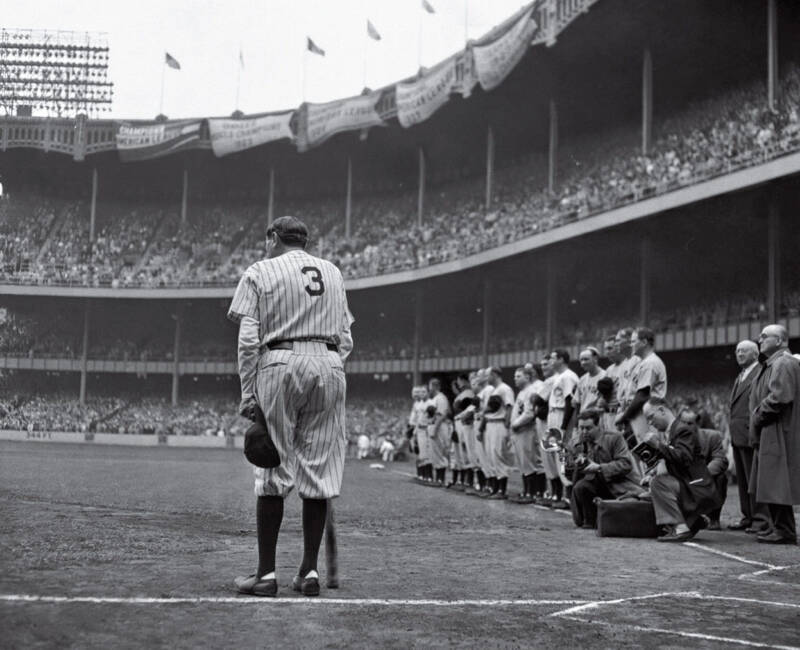
Public DomainA Pulitzer-winning prize photo of Babe Ruth at Yankee Stadium in June 1948, just two months before he died of cancer.
But sadly, the experimental drug treatment had only delayed Babe Ruth’s death. He passed away just two months later.
How Babe Ruth Died At The Age Of 53
Just days after his Yankee Stadium appearance, Babe Ruth checked into Memorial Hospital in New York City. Though he left the hospital on a few occasions, including to attend the screening of The Babe Ruth Story, a movie about his life, his condition continued to deteriorate.
According to reporting from UPI in August 1948, Ruth’s hospital sent daily bulletins about his health, stating in his final days that the baseball legend was “still critical.” On the morning of Babe Ruth’s death, he seemed to improve, and the hospital reported that his temperature had dropped and he was “holding his own.” But as the day went on he soon took a turn for the worse. At 5 p.m. the hospital reported that Ruth was “more critical,” and at 6 p.m. it announced that he was “sinking rapidly.”
At this news, hundreds of young fans began to gather outside the hospital. They were standing in vigil when the hospital released its final bulletin.
“Babe Ruth died at 8:01 p.m. tonight,” the final bulletin read. “Death was due to cancer.”
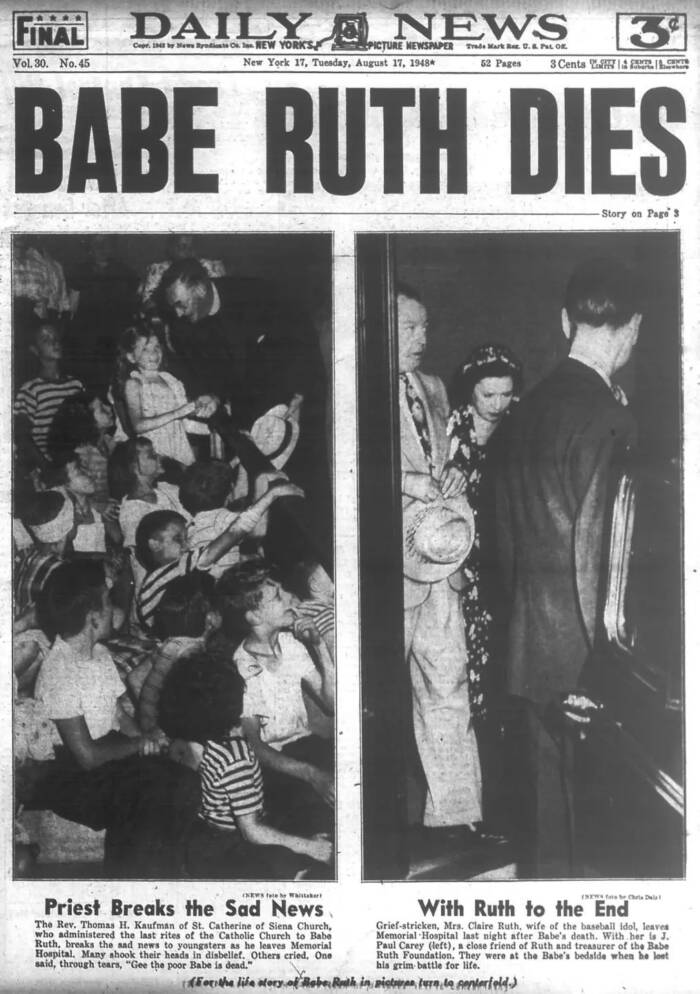
New York Daily NewsA headline from the New York Daily News announcing Babe Ruth’s death.
Outside the hospital, a priest announced Babe Ruth’s death to the crowd. One young fan collapsed in tears.
“I’m deeply shocked, deeply shocked,” MLB commissioner Happy Chandler said. “His death will be a deep distress. He was one of my personal friends. And it grieves me greatly that we’ve lost him.”
But the Great Bambino would return to Yankee Stadium one last time.
The Aftermath Of Babe Ruth’s Death
Babe Ruth’s death shook baseball. And New York City went into mourning for their favorite player. In the aftermath of his death, his body lay in state at Yankee Stadium for two days so that fans could pay their final respects.
“Babe Ruth goes home today to Yankee Stadium,” UPI reported on the day after Babe Ruth’s death. “There thousands of his fans will get a chance to walk past the open casket of the famous home run hitter who died last night of cancer and pay a last silent farewell.”
Indeed, as many as 100,000 fans flocked to the stadium to say goodbye to Ruth. Afterwards, tens of thousands of fans also lined the streets outside of St. Patrick’s Cathedral, where Ruth’s official funeral was held. After his Yankee Stadium memorial and St. Patrick’s funeral, Babe Ruth was then buried at the Gate of Heaven Cemetery in Westchester County, New York.
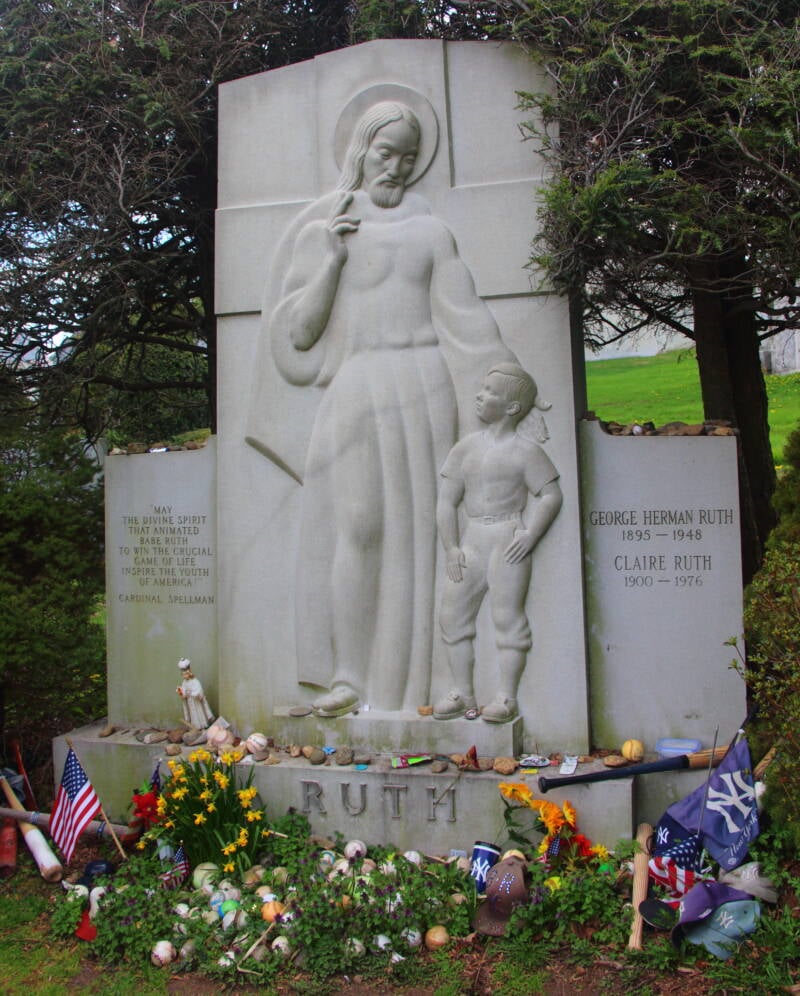
Wikimedia CommonsBabe Ruth’s grave is in Gate of Heaven Cemetery in Hawthorne, New York.
But in the years since Babe Ruth’s death, the baseball legend is far from forgotten. He remains one of the most famous players in MLB history, both for his skill and his swagger.
“It wasn’t that he hit more home runs than anybody else,” sportswriter Red Smith once remarked. “He hit them higher, better, farther, with more theatrical timing and a more flamboyant flourish.”
Babe Ruth left behind a massive legacy. Next, read about strange celebrity deaths in the 1920s, then learn about Babe Didrikson, the woman nicknamed after Babe Ruth for hitting five home runs in a game.