Scientists extracted DNA from a chalk drawing called the "Holy Child," which may have been sketched by Leonardo da Vinci around 1470.
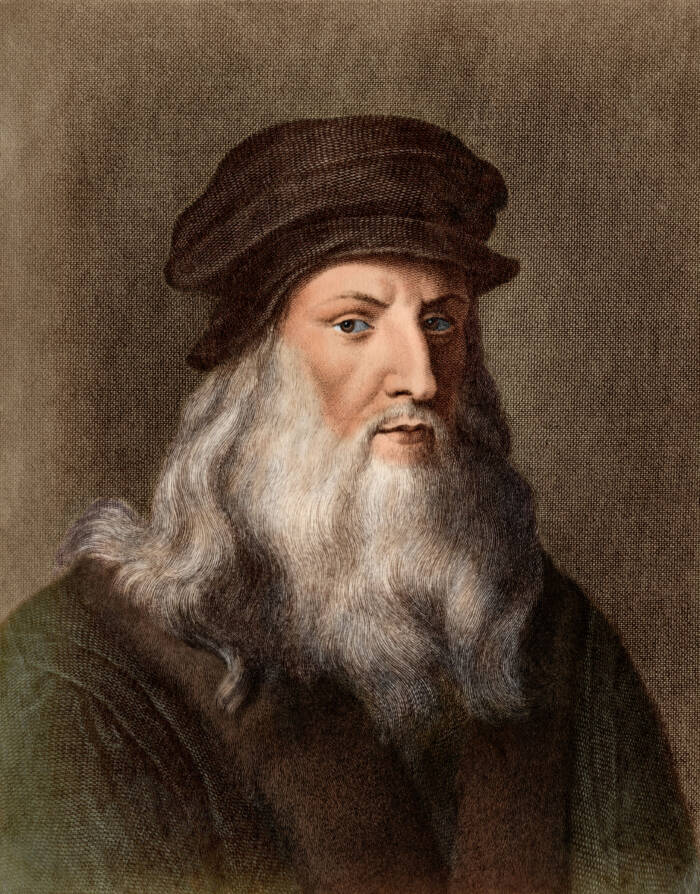
North Wind Picture Archives / Alamy Stock PhotoAn Italian polymath, Leonardo da Vinci was a painter, sculptor, engineer, scientist, architect, and inventor.
Most people who view the 15th-century red chalk drawing known as “Holy Child” might admire its artistry. Others may wonder about its creator, believed to be Leonardo da Vinci. But a group of scientists, working on the assumption that the painting was indeed one of da Vinci’s works, saw a chance to extract the Italian Renaissance master’s DNA.
Now, they believe that they were successful — but numerous hurdles still remain. For one, scientists aren’t entirely sure who created the “Holy Child.” For another, more concrete samples of da Vinci’s DNA have proven difficult to pin down.
The ‘Holy Child’ And The Quest To Find Leonardo Da Vinci’s DNA
According to a new (but as-of-yet not peer-reviewed) study published in the preprint database bioRxiv, scientists began their search for Leonardo da Vinci’s DNA by gently swabbing the 15th-century sketch known as the “Holy Child.” From this, they extracted a small sample of genetic material.
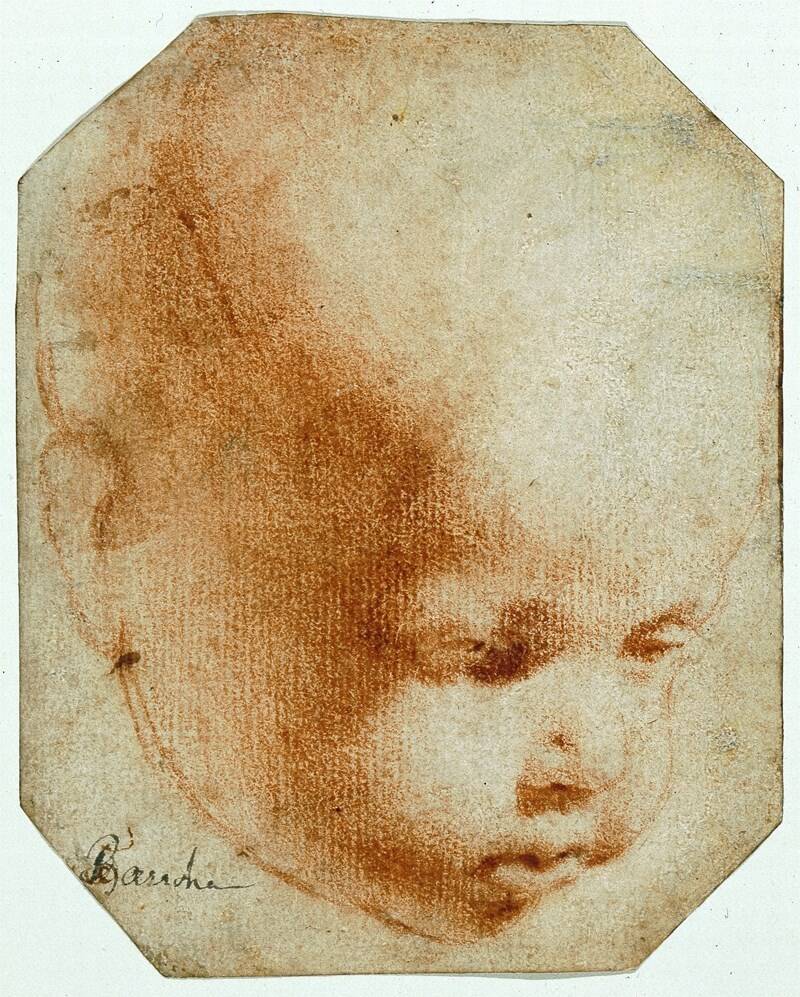
Public DomainThe “Holy Child” sketch, which has been attributed to Leonardo da VInci.
The sample was extremely promising. Scientists were able to identify a Y-chromosome DNA sequence that belongs to a haplogroup known as E1b1b. This genetic sequence is common in the Tuscany region, where da Vinci is from, and was likely carried by his family.
What’s more, the sample also had similarities to another genetic sample taken from a letter written by a distant cousin of da Vinci.
As such, the genetic findings seem very promising. Scientists are hopeful to use such techniques to authenticate other artistic works of unknown or disputed origin, and they hope to specifically study da Vinci’s DNA in the hopes of better understanding what made him so gifted.
There’s just one problem: It’s been difficult to definitively identify Leonardo da Vinci’s DNA. Even the sample of genetic material extracted from the “Holy Child” could belong to someone else entirely.
The Challenges Of Verifying Da Vinci’s DNA
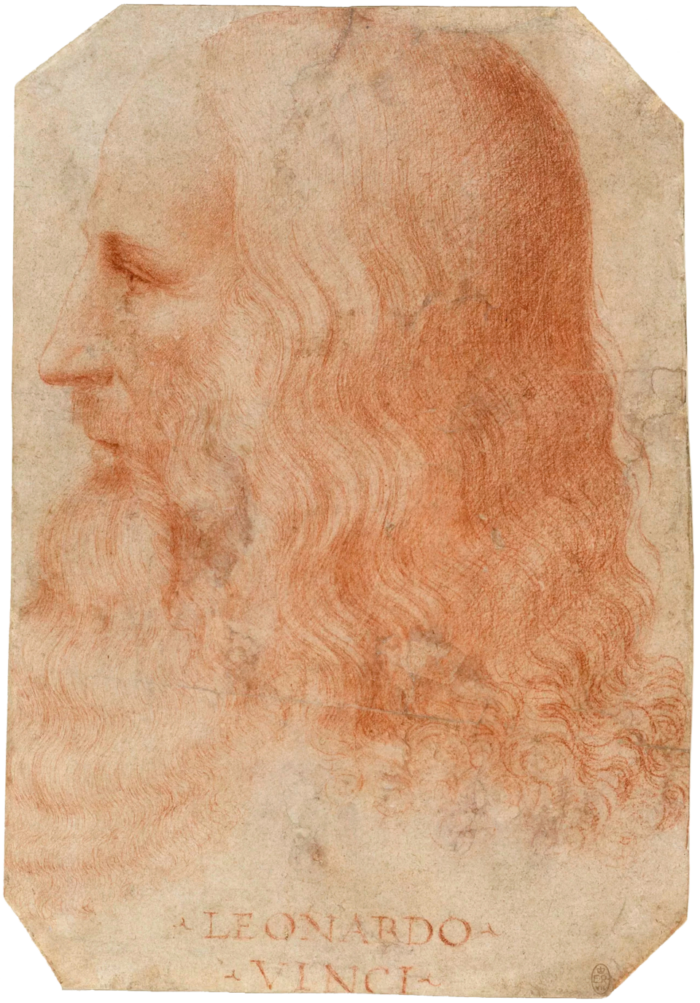
Public DomainA portrait of Leonardo da Vinci.
One main problem facing the scientists working to identify Leonardo da Vinci’s DNA is that his genetic material has been very difficult to find. His original burial place in France was destroyed during the French Revolution. Not only are da Vinci’s remains now mixed with others, but scientists have been denied access to them. Scientists also don’t know where his mother was buried, and they have not been allowed to enter the tomb of his father.
There’s da Vinci’s artwork, but scientists are forbidden from testing most of the pieces, and others have not yielded any DNA samples.
What’s more, the artist behind the “Holy Child” is unknown. It’s possible that da Vinci did not sketch it himself, but rather that one of his students completed it. The student could have easily been from the same region as da Vinci, and thus had the E1b1b genetic sequence found in Tuscany.
But despite the difficulties, scientists aren’t giving up in their endeavor to identify da Vinci’s DNA. They’ve begun examining bones from a da Vinci family vault, testing the DNA of a living da Vinci descendant, and running tests on a lock of hair that was once allegedly trimmed from da Vinci’s beard. There are also letters written by da Vinci relatives that may contain family DNA, as well as other da Vinci works that could hold the artist’s DNA.
As such, challenges still remain. Scientists don’t have a definitive sample of Leonardo da Vinci’s DNA, which makes it difficult to compare samples found elsewhere. However, as they continue to examine his work — and letters written by his relatives — perhaps they’ll be able to bring together pieces of a larger genetic puzzle. And maybe, someday, this puzzle will provide new insight into Leonardo da Vinci’s incredible genius.
After reading about the possible extraction of Leonardo da Vinci’s DNA from a 15th-century sketch, discover the impressive stories behind some of the smartest people in the world. Or, see how these Leonardo da Vinci inventions changed the course of human history.