Sam Giancana, The Mafia Boss With Shadowy Connections To John F. Kennedy And The CIA
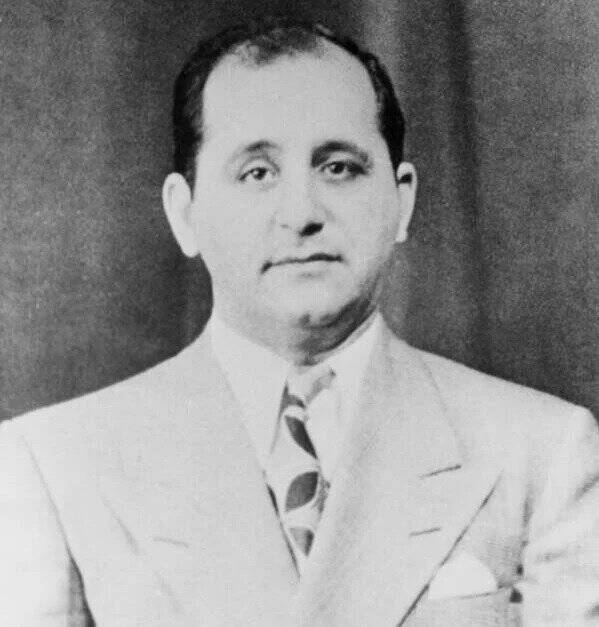
Getty ImagesSam Giancana was allegedly involved in plots to kill Fidel Castro as well as in the Kennedy assassination.
Sam Giancana rose to power thanks to his association with Al Capone. But this Chicago gangster established a notorious reputation all his own, thanks to his connection with President John F. Kennedy.
Born in Chicago in 1908, Giancana grew up in a rough part of town and later led a gang of local youths known as the 42 Gang. Giancana’s association with the 42 Gang resulted in a long rap sheet, but it also caught the attention of Al Capone. Their fellow gangster Tony Montana told the Los Angeles Times in 2014 that Giancana and the gang were “were robbing and shaking down so many joints that Capone took notice of them.”
Working initially as a driver for Capone’s operation, Giancana steadily climbed through the ranks of the Chicago underworld, even after Capone went to prison in 1931. After his own stint in prison, Giancana consolidated his control of the Chicago Mob. And as a Mafia boss in the 1950s and ’60s, he started pulling strings on an even bigger scale.
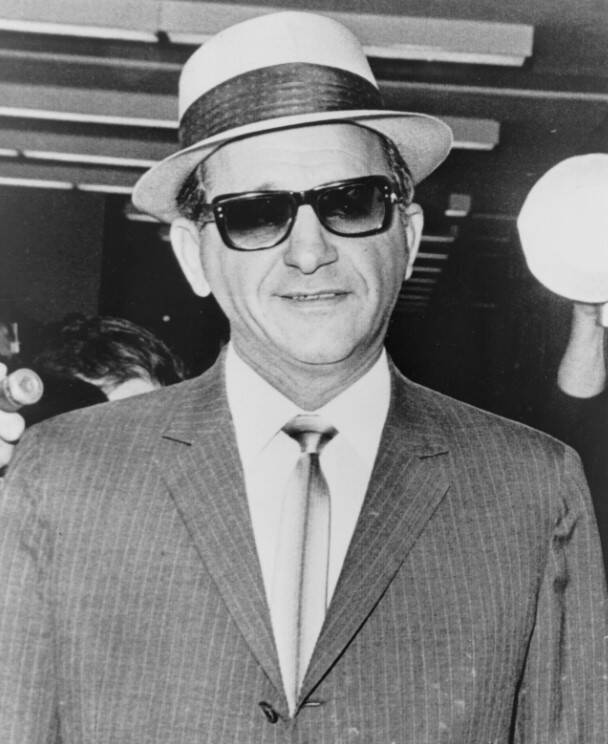
Public DomainSome say that Sam Giancana helped John F. Kennedy win the 1960 presidential election.
Connected to John F. Kennedy through Kennedy’s alleged mistress, Judith Exner, Giancana and his associates allegedly helped Kennedy get elected in 1960 by stuffing ballot boxes in Chicago. Giancana was also allegedly involved in plots to assassinate Cuban leader Fidel Castro — whom the mob despised for shutting down Mob-run casinos in Cuba — and even in the assassination of President Kennedy himself in November 1963.
The United States House Select Committee on Assassinations even sought to interrogate Giancana about his possible involvement in the Kennedy assassination. But on June 19, 1975, Giancana was murdered by an unknown assailant while cooking dinner at home.
To date, no one knows if Giancana was murdered by fellow mobsters, jealous ex-girlfriends, CIA agents, or someone else entirely.
Vincent Gigante, The Mob Boss Who Faked Insanity For Years To Avoid Prosecution
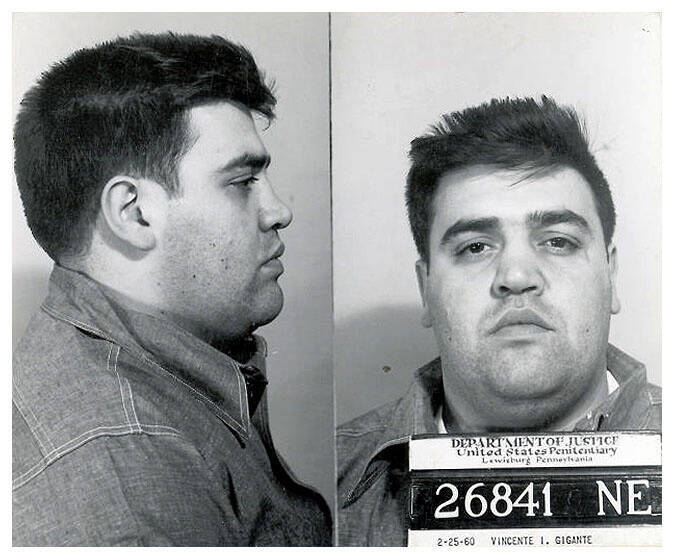
U.S. Department of JusticeVincent Gigante pretended to be mentally ill for many years in order to eventually elude prosecution.
Starting in the 1960s, New Yorkers living in Greenwich Village became familiar with a stooped figure who’d shuffle down the street in a bathrobe. The man appeared to be mentally unstable. But he was not what he seemed. His name was Vincent “The Chin” Gigante and he was actually a mob boss who faked insanity to avoid jail time.
Born on March 28, 1928, in New York City, Gigante became a protégé of Mafia boss Vito Genovese at a young age, allegedly because Genovese helped out his family by paying for his mother’s surgery. Nicknamed “The Chin” — from the diminutive of Vincent Vincenzo — Gigante swiftly accumulated a lengthy rap sheet.
Gigante was willing to go to great lengths for Genovese, as he proved in 1957. Then, as Genovese tried to seize control of the Luciano Family from Frank Costello, Gigante allegedly attempted to assassinate Costello. The New York Times reports that a doorman identified Gigante but Costello, who afterward ceded control to Genovese, said that he hadn’t recognized the gunman.
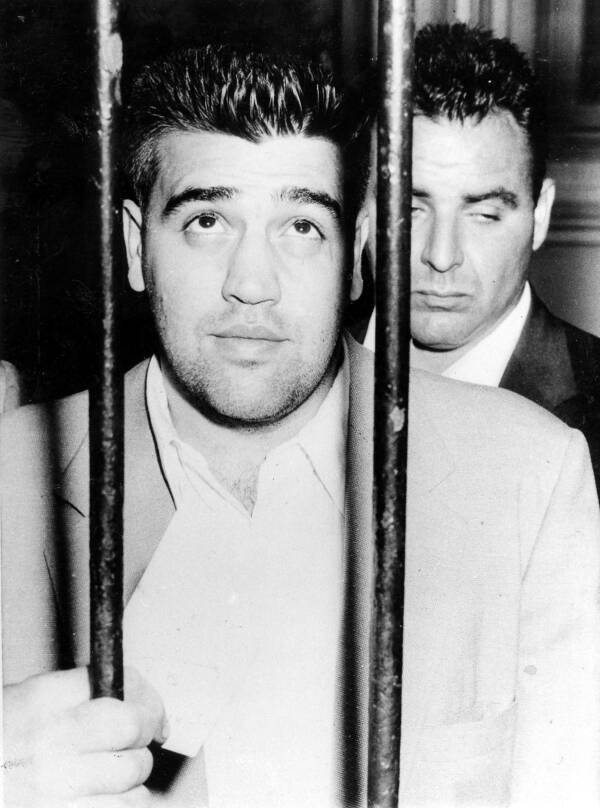
Apic/Getty ImagesVincent Gigante after his failed assassination attempt on Frank Costello. August 20, 1957.
Genovese became the head of the Luciano Family, renamed the Genovese family, and Gigante followed in his footsteps in the 1980s. By then, Gigante had begun his infamous “insanity” charade. Because he knew he was under police surveillance, the mob boss would wander around his New York neighborhood in a bathrobe and feign mental illness.
All the while, he was secretly busy at work building the Genovese Family into one of the country’s most powerful criminal organizations.
But the authorities eventually caught onto Vincent Gigante. In 1996, a judge ruled that Gigante was mentally competent to stand trial on murder and racketeering charges. He was found guilty in 1997 and sentenced to 12 years in prison, where Gigante died in 2005.