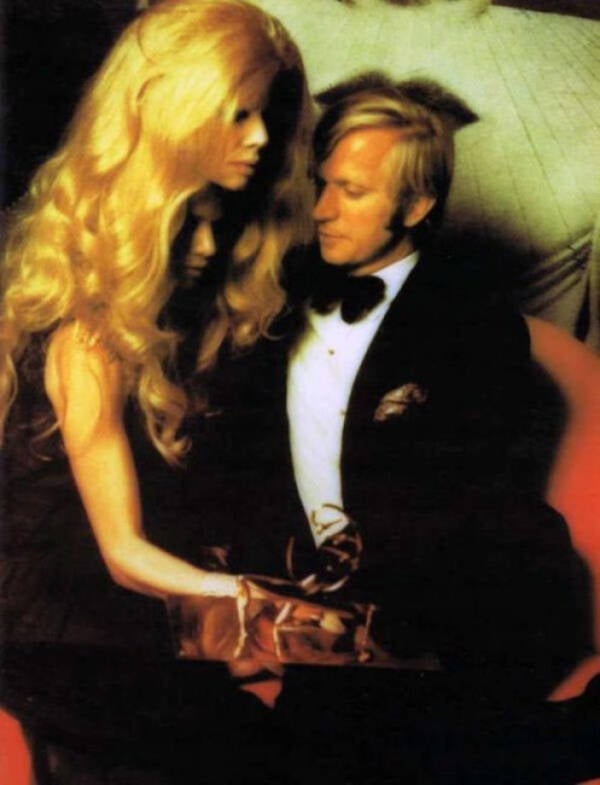
Famous figures like Salvador Dalí and Audrey Hepburn donned elaborate costumes, dined on green dinner rolls, and wandered through a "hellish" maze at the party hosted by Guy and Marie-Hélène de Rothschild at the Château de Ferrière outside of Paris.




And if you liked this post, be sure to check out these popular posts:

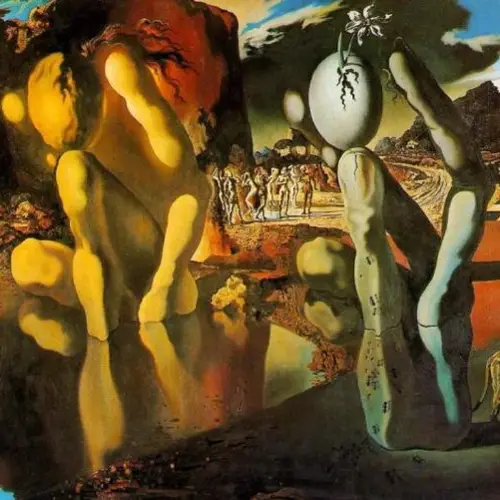


In December 1972, the infamous Rothschild Surrealist Ball turned reality on its head. Baroness Marie-Hélène de Rothschild organized a masked dinner party for an intriguing mix of politicians, bankers, artists, and celebrities at the Château de Ferrières, an opulent residence located just outside of Paris.
Were it not for the wealthy Rothschild family's fascinating history, this ball — which featured servants dressed as cats and a dessert shaped like a nude woman — may have remained just another ephemeral social gathering.
But because the Rothschilds pioneered international finance, funded historical war efforts, and still dominate several international industries to this day, conspiracy theories continue to abound about the true nature of the event.
So, what really happened on the night of the Rothschild Surrealist Ball? Were these merely "high society" people mingling and having a bit of fun? Or was the party a nefarious get-together filled with esoteric symbolism, quasi-satanic rituals, and the figurative ushering in of a New World Order?
A Brief History Of The Rothschild Family
The Rothschilds' dynastic wealth and power began with Mayer Amschel Rothschild, who was born in Frankfurt in 1744. His father, who died of smallpox before Mayer Amschel was a teenager, was a money changer and cloth trader whose clientele included German royals.
Mayer Amschel studied finance under Jacob Wolf Oppenheimer in Hanover, and by the time he returned to Frankfurt, he was an expert money trader and seller of rare coins. He started doing business with Crown Prince Wilhelm of Hesse and eventually managed the monarch's money.
As a banker for one of the richest men in Europe, Rothschild suddenly became financially secure and started a family. And with increasing connections to European nobles, Rothschild saw the French Revolution as an investment opportunity.
He facilitated monetary transactions for Hessian mercenaries, loaned finances to numerous governments to fund their war operations, accumulated bonds, and expanded his German banking empire.
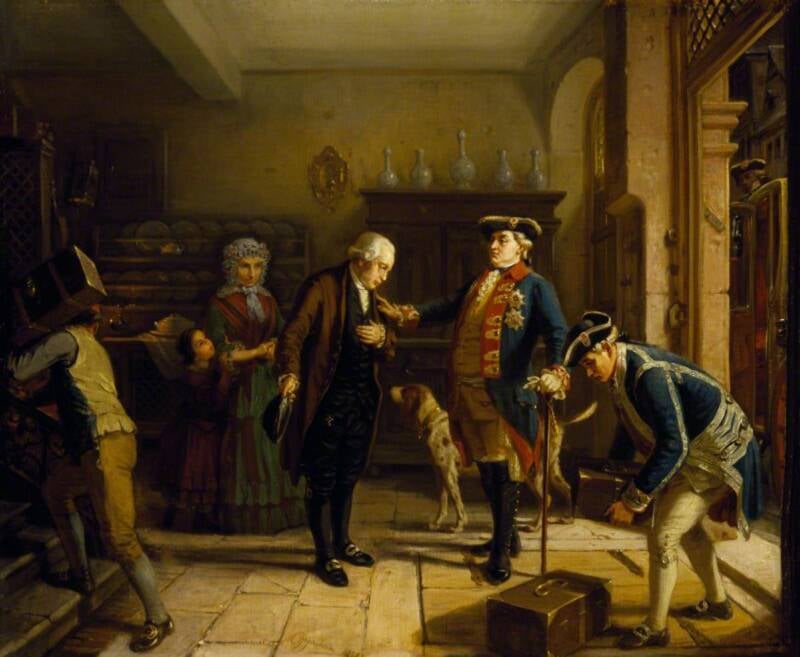
Public DomainA 19th-century painting of the Elector of Hesse entrusting Mayer Amschel Rothschild with his money.
Rothschild sent four of his sons to some of the largest capitals in Europe — Naples, Vienna, Paris, and London — while his eldest son took over the branch in Frankfurt. The other Rothschild brothers each started banks in their respective cities. These institutions funded wars, charities, and infrastructure projects for the next several generations. Indeed, N. M. Rothschild & Sons in London nearly single-handedly financed the British Napoleonic war effort.
Before Mayer Amschel died in 1812, he banned his female descendants from receiving an inheritance, which essentially forced them to intermarry with their Rothschild cousins in order to remain in the same social strata.
The family's success has long driven envious onlookers to concoct conspiracy theories about dark secrets hiding behind their wealth. The Rothschilds are most often accused of using their riches to steer the course of the global economy.
Much of this bad-faith speculating on their dealings has roots in antisemitism. However, some criticisms of the Rothschilds are valid. Though the family makes money from various investments in finance, real estate, mining, and energy industries around the world today, they were (and, according to some conspiracy theories, still are) war profiteers.
Due to their own coat of arms, vast wealth, and global influence, it's easy to see why a masquerade ball held by the Rothschilds in the isolated French countryside would raise some questions.
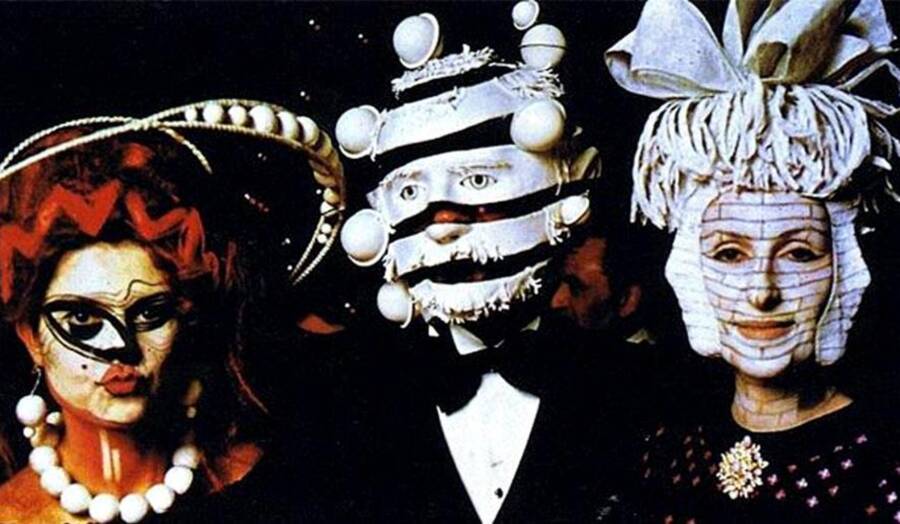
With decorative baby dolls, masks resembling all-seeing eyes, and only a few photos surviving from the infamous Rothschild Surrealist Ball, that night in December 1972 still raises eyebrows today. And the aristocrats behind the infamous party were no strangers to controversy.
The Rothschild Surrealist Ball Of 1972
Baron Guy Édouard Alphonse Paul de Rothschild's 1957 marriage to Baroness Marie-Hélène de Rothschild made headlines. Guy and Marie-Hélène were third cousins once removed, and the marriage marked the first time that a high-ranking Rothschild married a non-Jewish spouse (Marie-Hélène was Catholic).
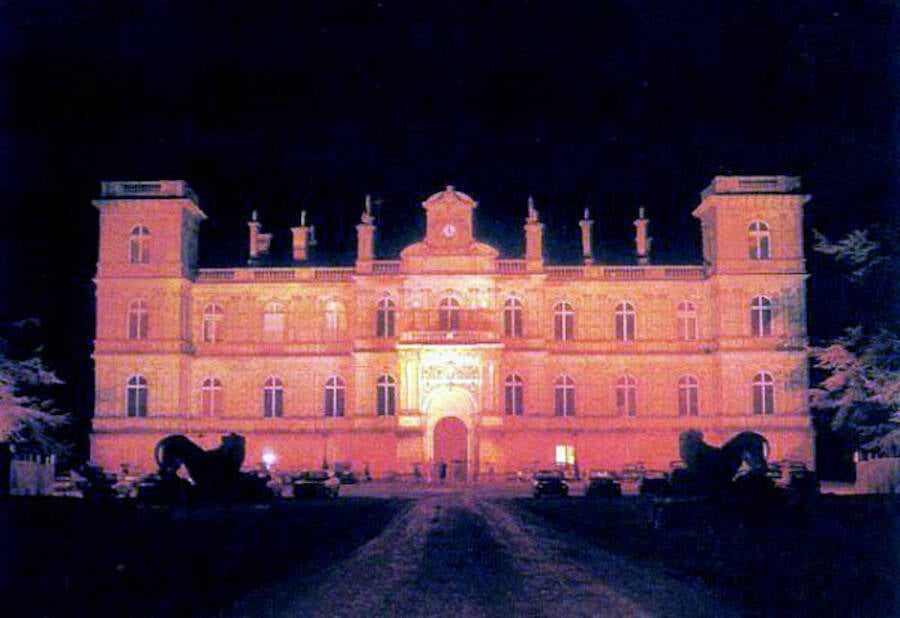
The couple was as liberal in their social life as in their politics. This was evidenced by their 1972 ball, held at the lavish Château de Ferrières, which was built for Baron James de Rothschild in the 1850s. With 80 guest suites, sprawling grounds, and an 8,000-volume library, the château was nothing if not impressive.
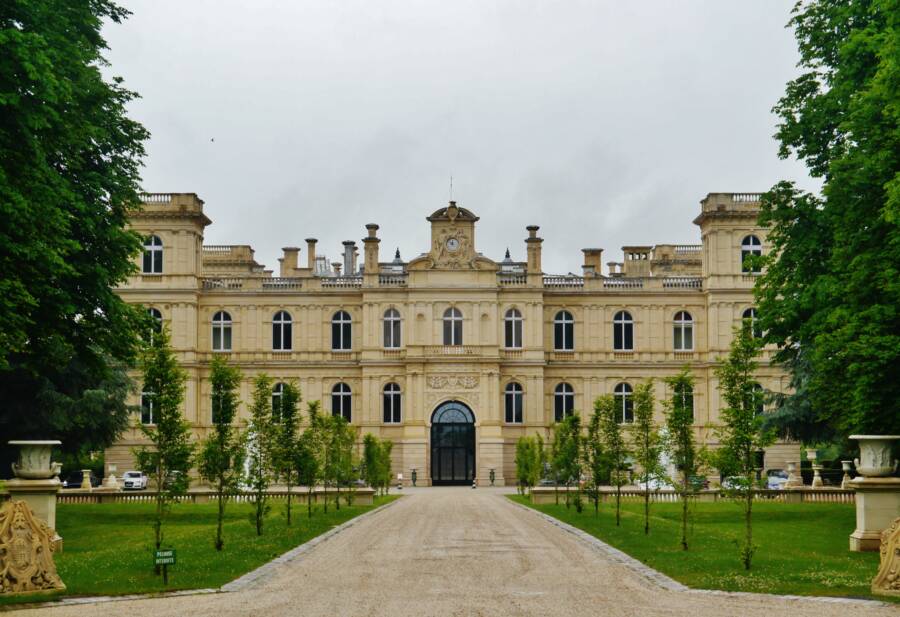
Zairon/Wikimedia CommonsThe Château de Ferrières was the site of many lavish parties over the years, with one ball in the 1860s attended by Emperor Napoleon III, the nephew of Napoleon Bonaparte.
In 1959, shortly after marrying Guy, Marie-Hélène refurbished the château. Thereafter, it became a hedonistic hub for high society. From artists, designers, and Hollywood royalty to actual European royalty, figures like Yves Saint Laurent, Brigitte Bardot, and Grace Kelly frequently hobnobbed with the world's elite there.
But on Dec. 12, 1972, the Rothschild Surrealist Ball blew all of Marie-Hélène's previous events out of the water.
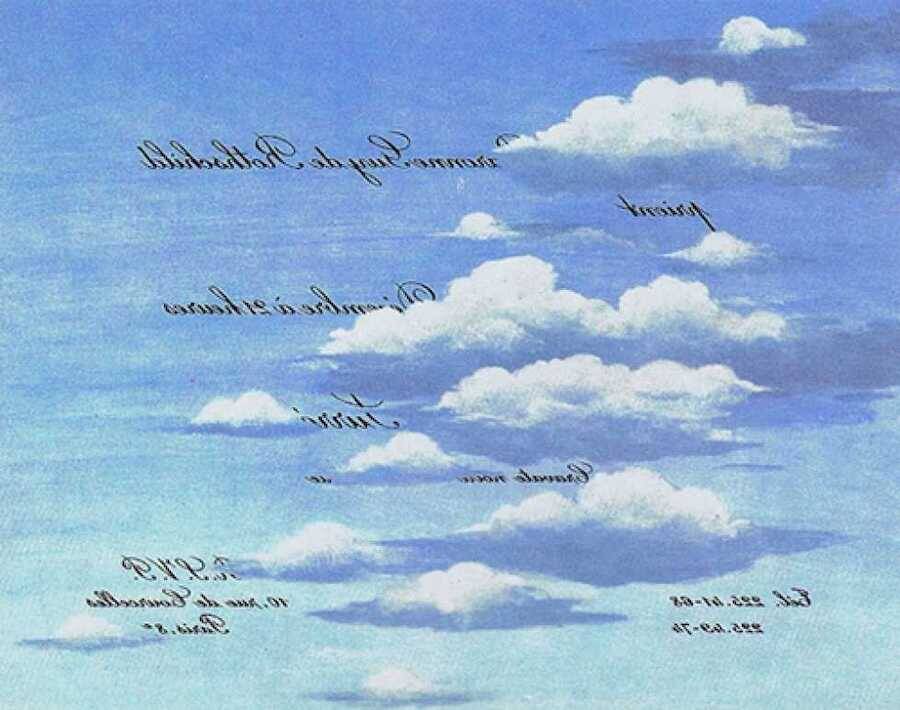
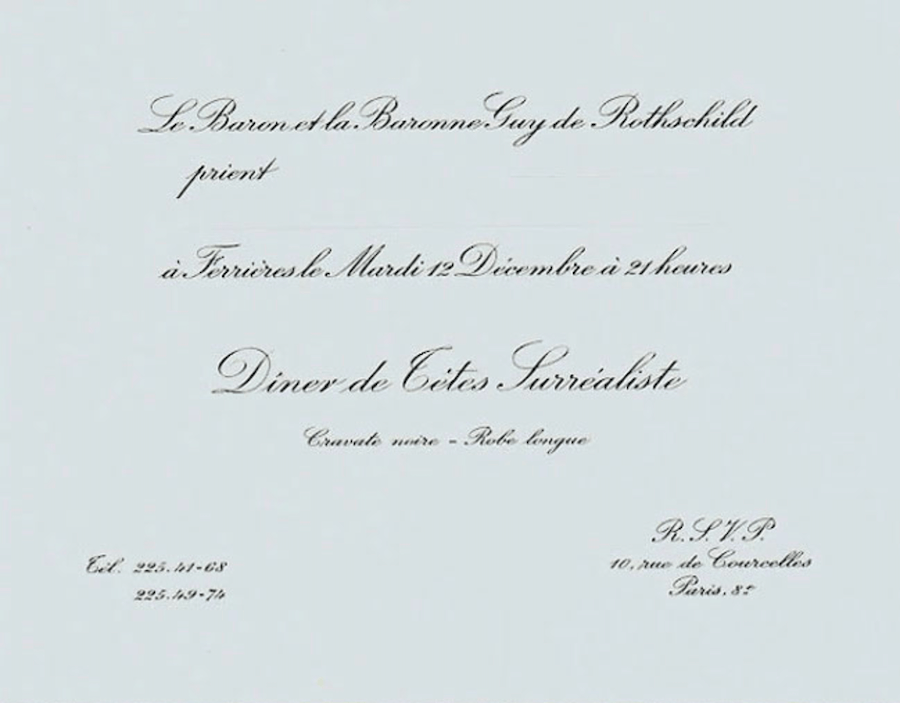
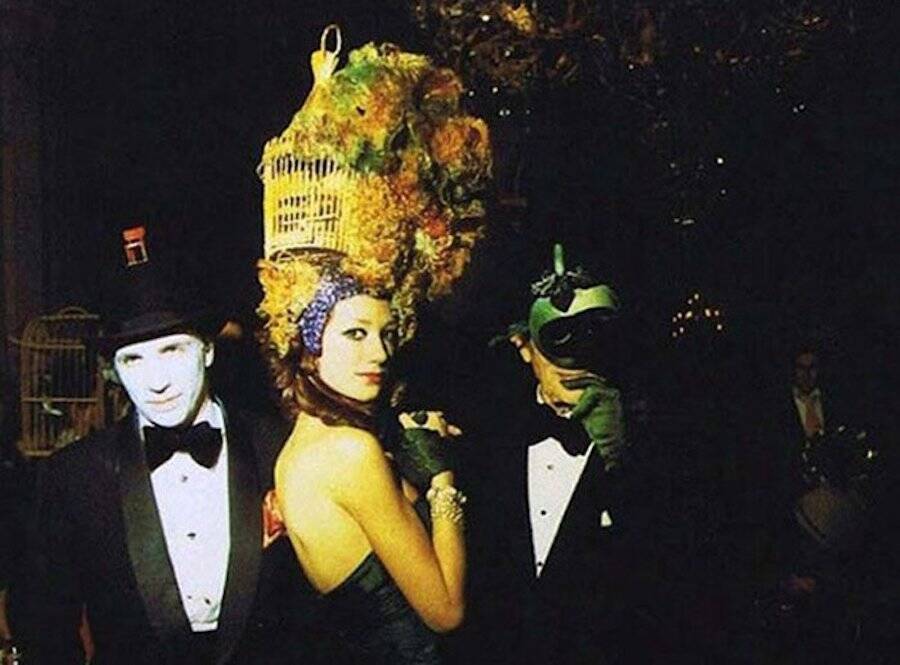
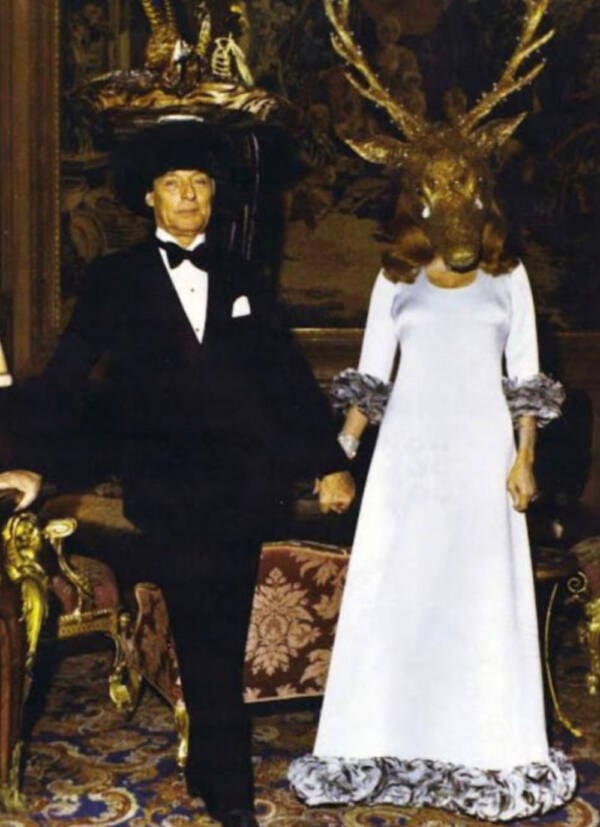
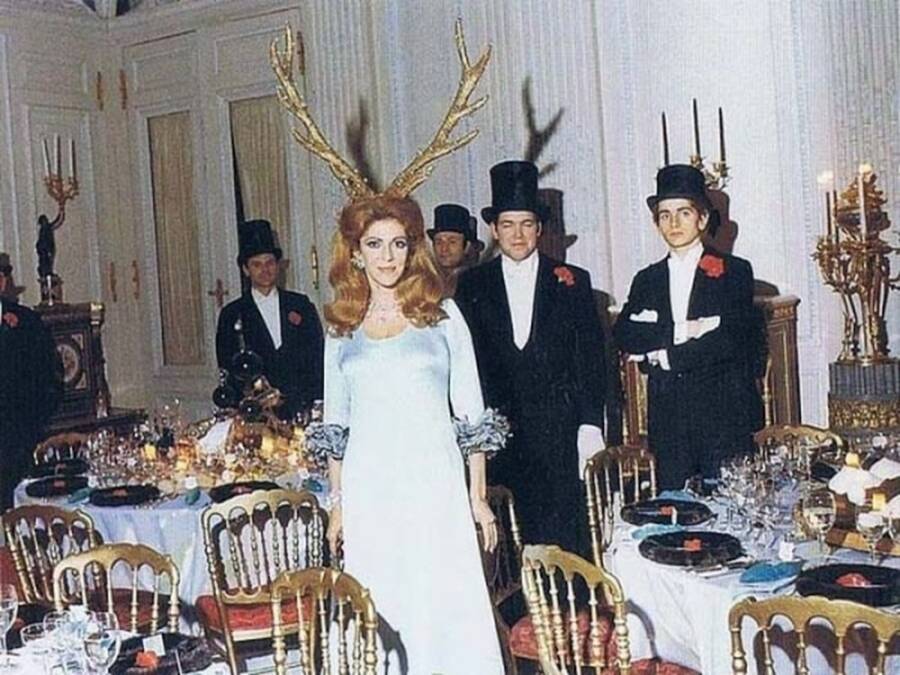
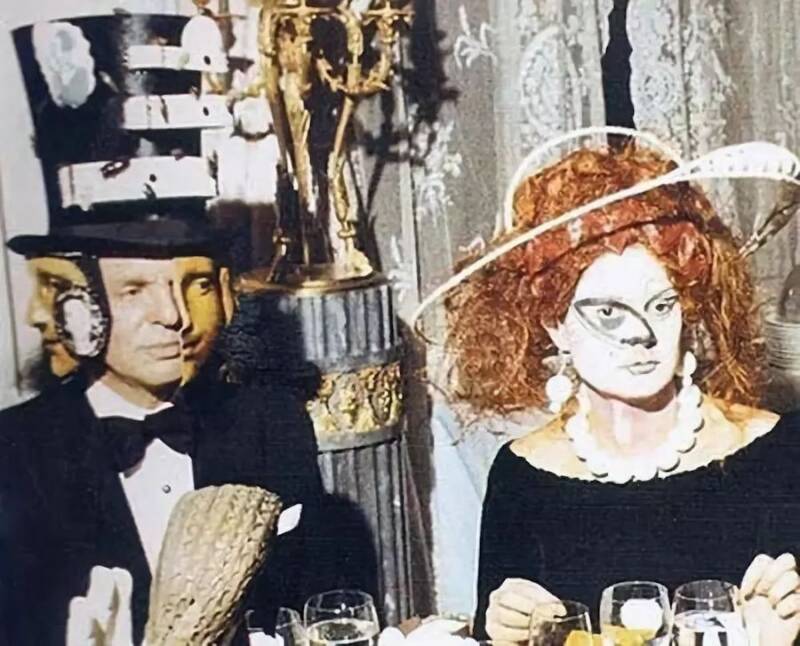
The invitations — which informed guests to come donned in "black tie, long dresses, and surrealist heads" — were written backward so they had to be read in a mirror. As everyone arrived, floodlights made the château appear as if it were on fire. Meanwhile, the servants who greeted each new arrival were dressed as cats lounging along the main staircase.
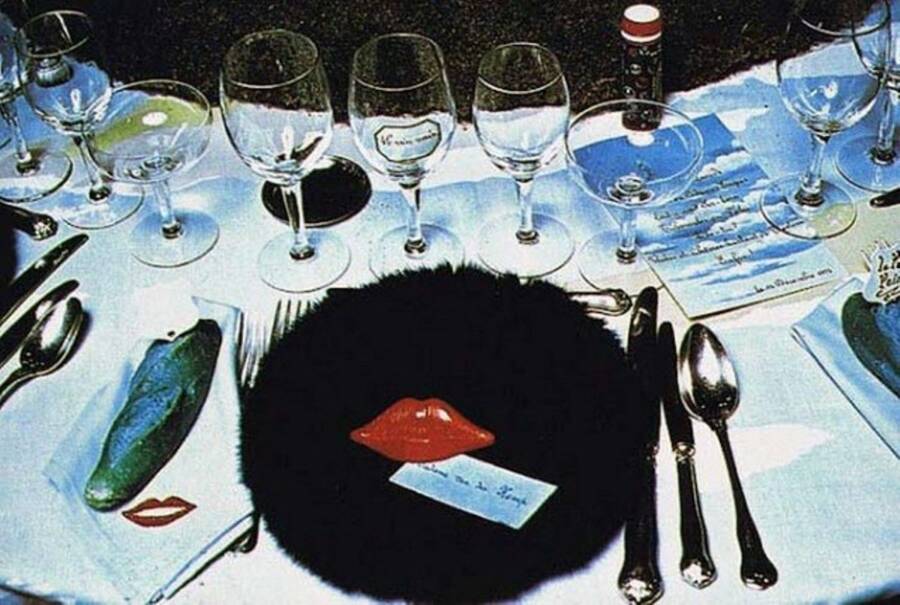
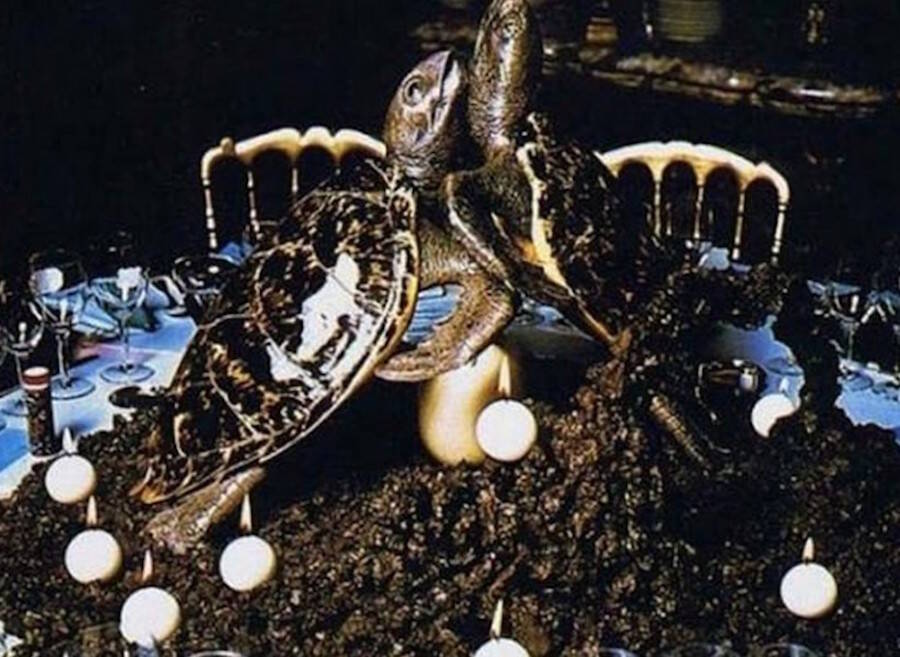
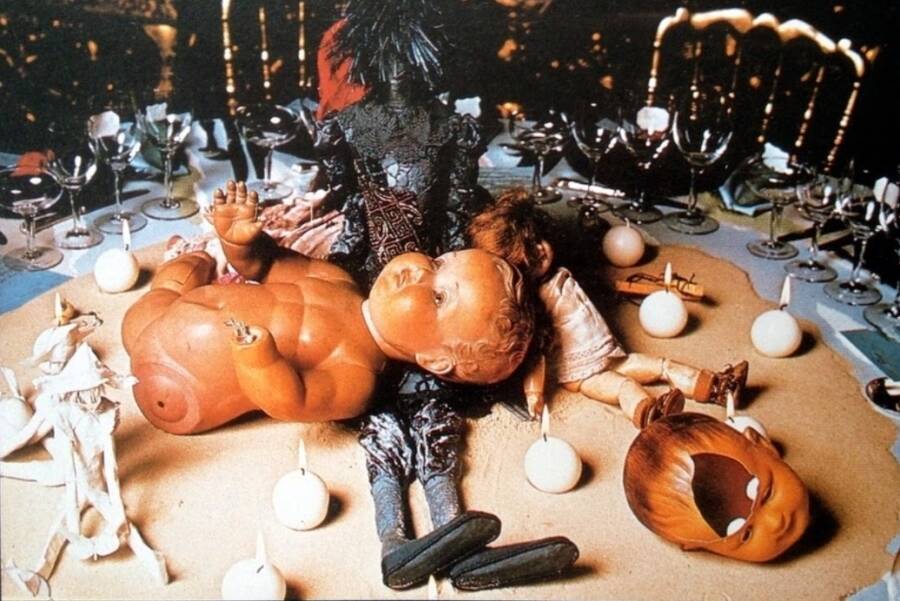
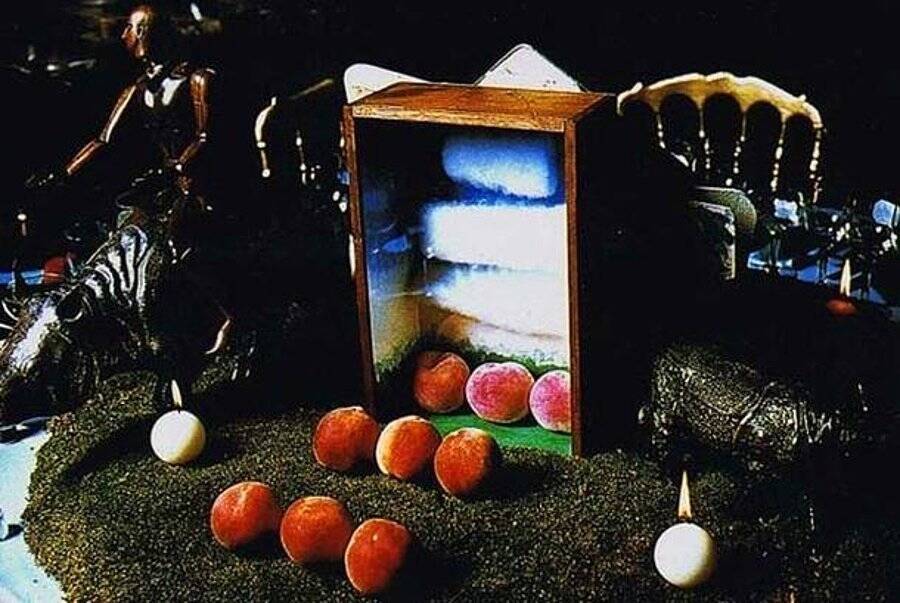
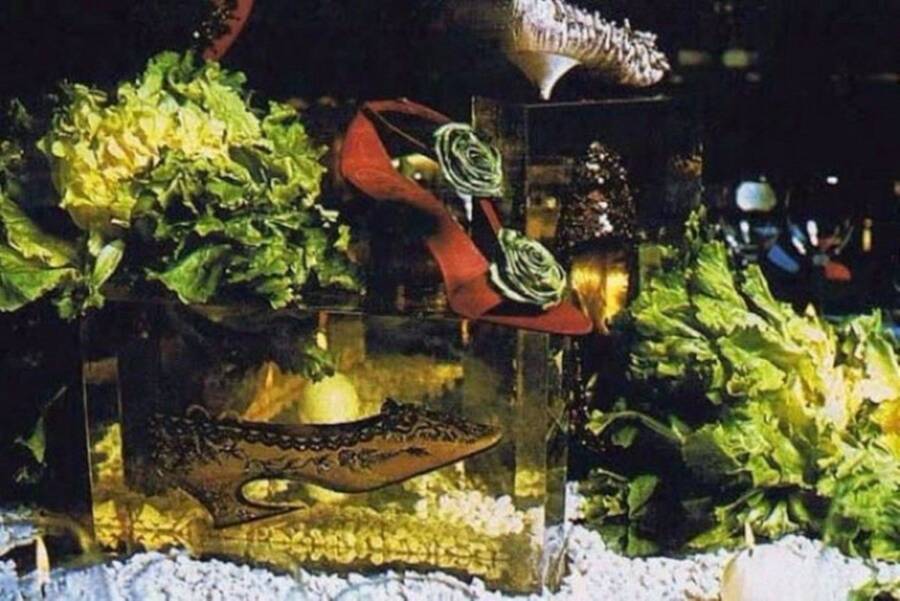
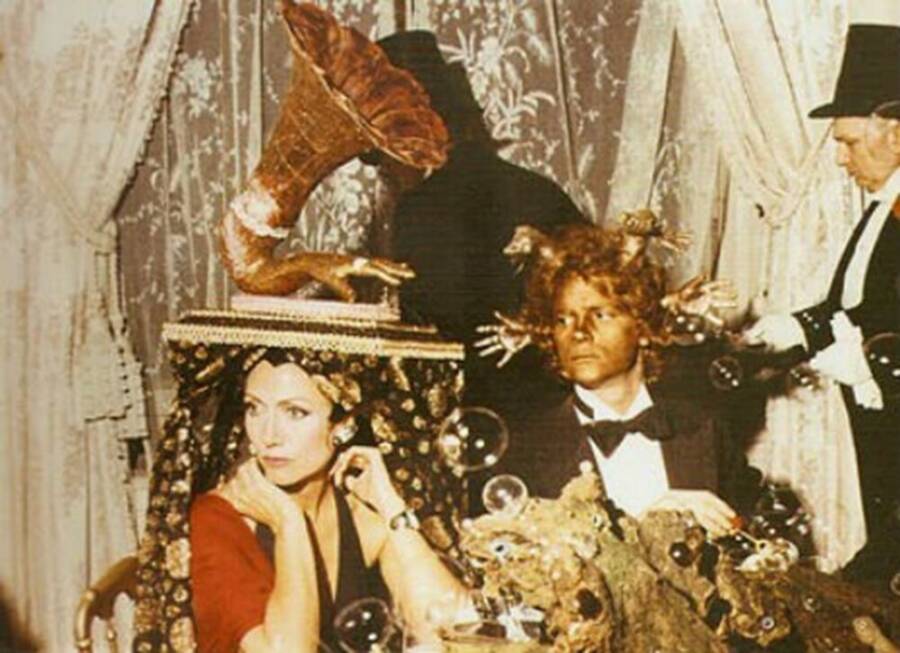
Guests were ushered into a maze of cobwebs, with the helpful "cats" leading lost partygoers to their tables. The dinner plates were covered in fur, and the centerpieces featured plastic baby dolls and taxidermied tortoises. Menu items included "lady and sir-loin," green dinner rolls, and goat cheese roasted in "post-coital sadness."
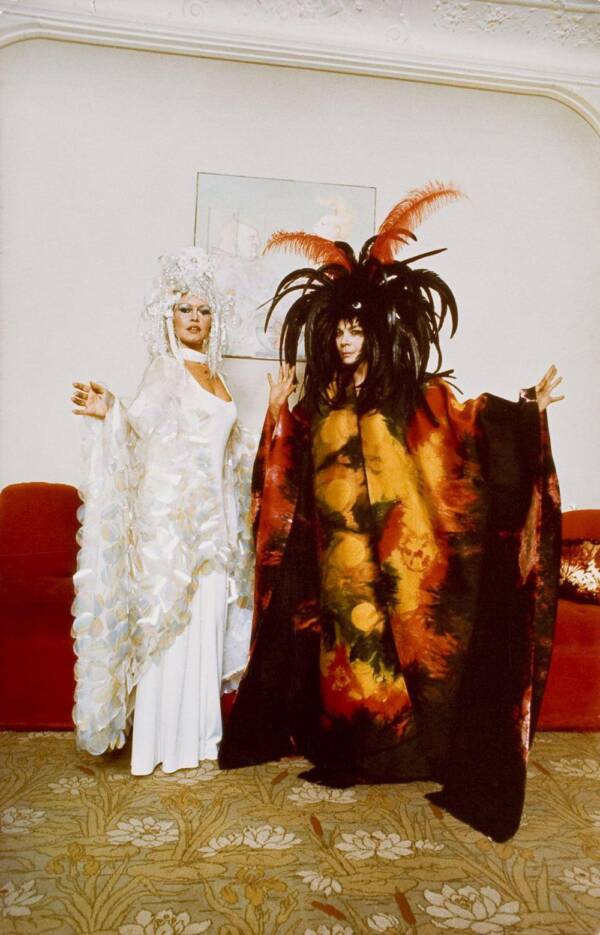
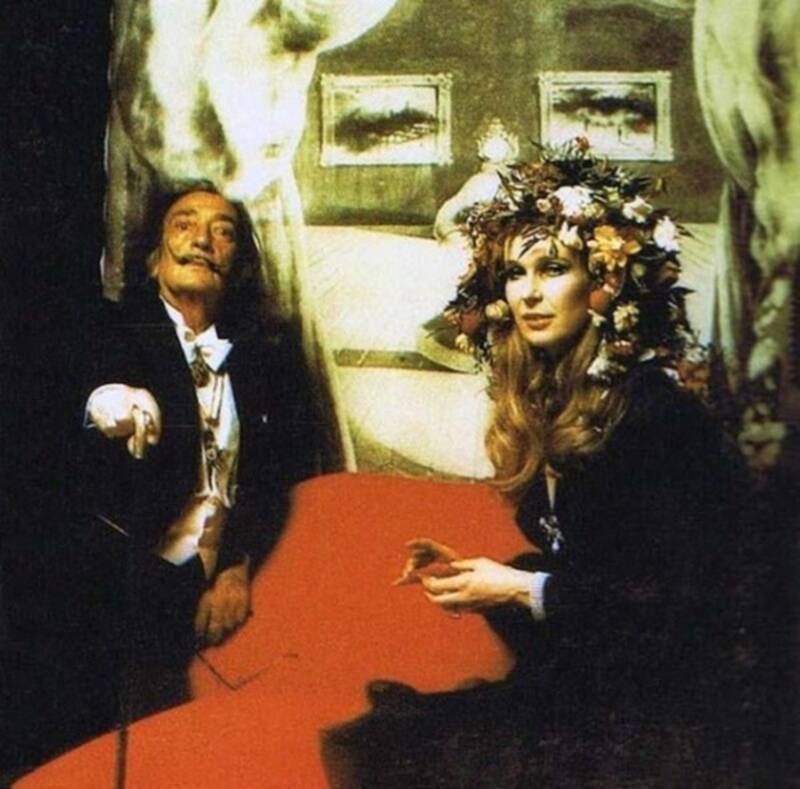
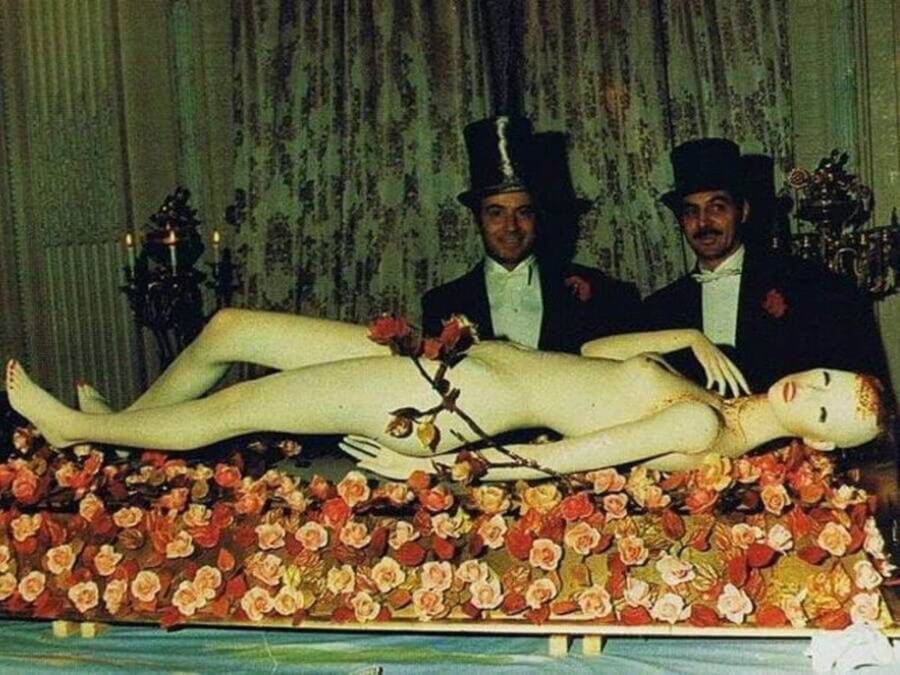
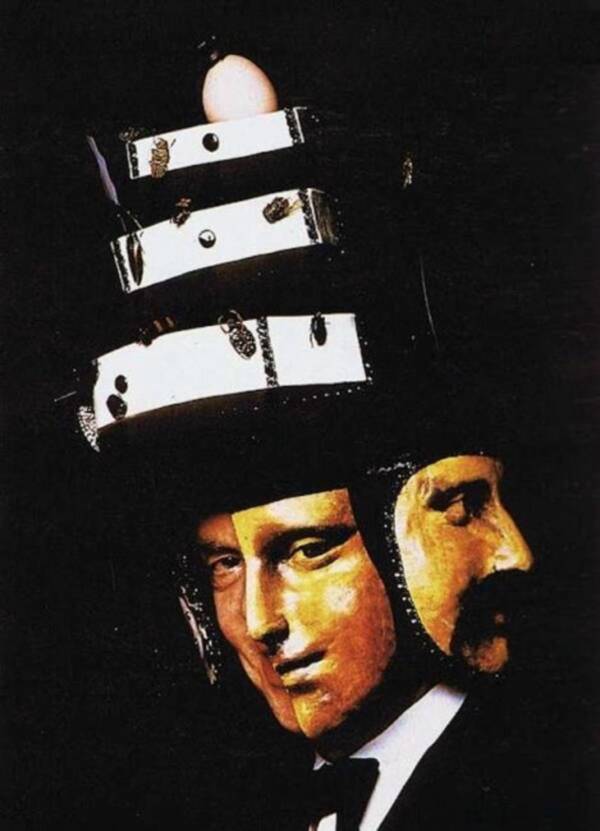
Dessert was a nude woman made entirely of sugar reclining on a bed of roses. Of course, the costumes worn by attendees were just as bizarre. While surrealist painter Salvador Dalí had designed some of the outfits, he didn't wear one himself. As The New York Times reported at the time, Dalí stated, "I don't need a mask. My face is my mask." Marie-Hélène, for her part, wore the head of a giant stag that was crying tears made of real diamonds.
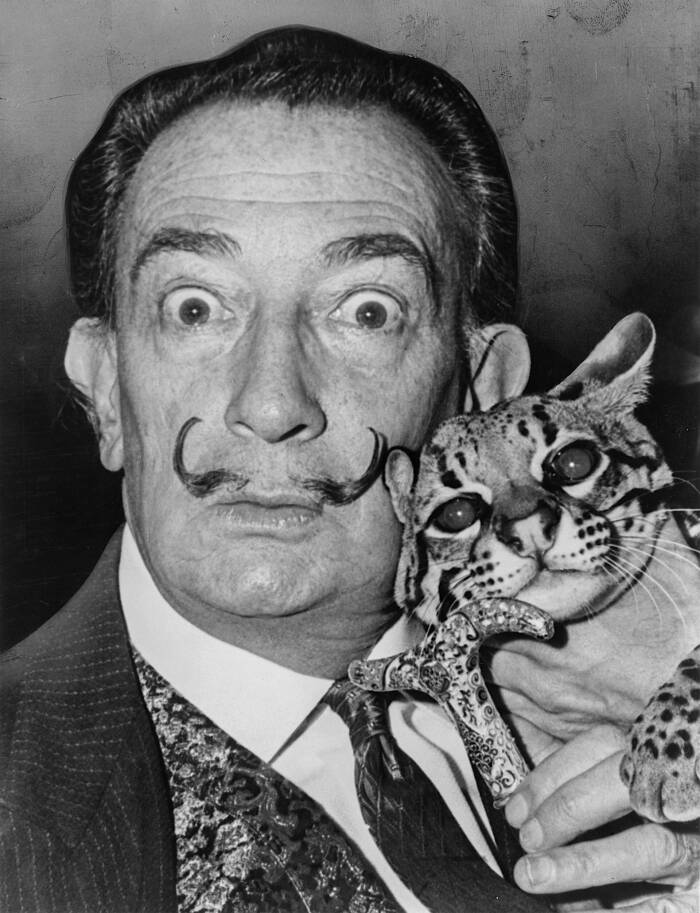
Library of CongressSalvador Dalí, pictured here with his pet ocelot, designed many of the decorative elements for the Rothschild Surrealist Ball.
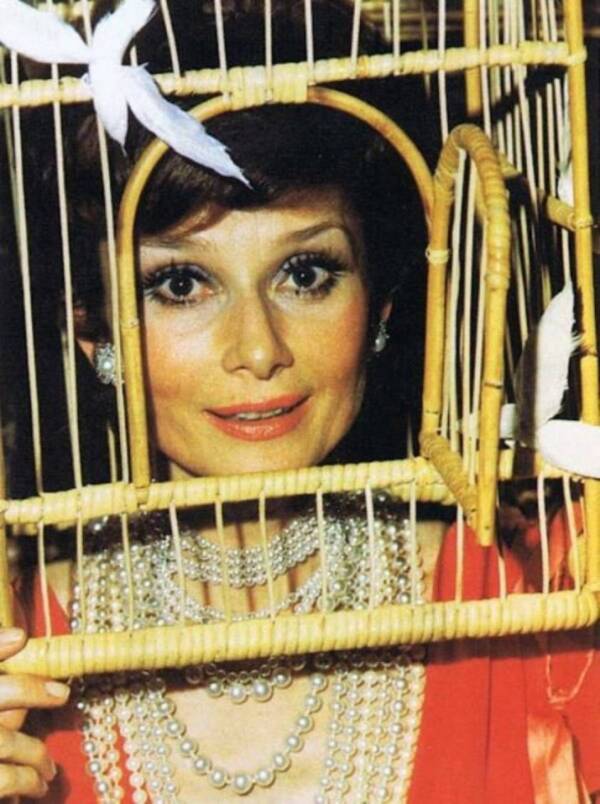
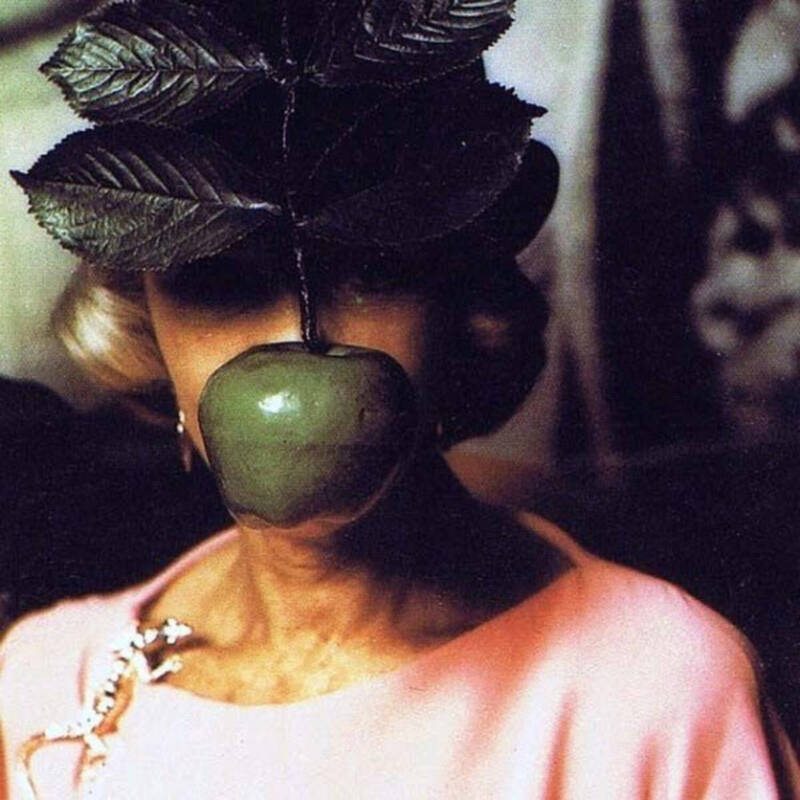
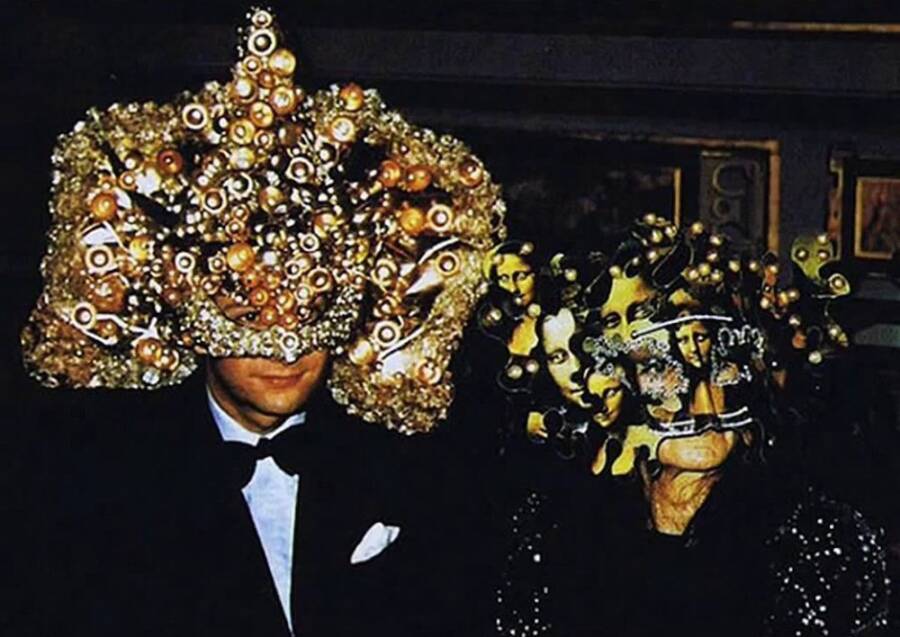
Actress Audrey Hepburn wore a birdcage on her head. Perfumer Hélène Rochas wore a gramophone. Another guest had her face covered by an apple, in allusion to René Magritte's painting The Son of Man, while someone else had a mask covered in multiple Mona Lisas.
Ultimately, whatever happened within the château's walls that night remains a mystery. The Rothschild Surrealist Ball may well have merely been an eccentric evening for members of high society to let loose. There are, however, several conspiracy theories that suggest the event was more than it appears.
Conspiracy Theories Surrounding The Rothschild Surrealist Ball
While there is little evidence to support any of the more bizarre claims surrounding the Rothschild Surrealist Ball, conspiracy theorists claim it was riddled with satanic messages. They point to several alleged occult symbols scattered throughout the event — starting with the invitations.
According to ancient beliefs about Devil worship, "inversion" — the transposition of letters or sacred Christian symbols — indicates the presence of demonic rituals. The Rothschilds' "inverted" invitation is often pointed to as definitive proof of the evil nature of the ball, but there's no evidence to suggest that any sort of ritual took place.
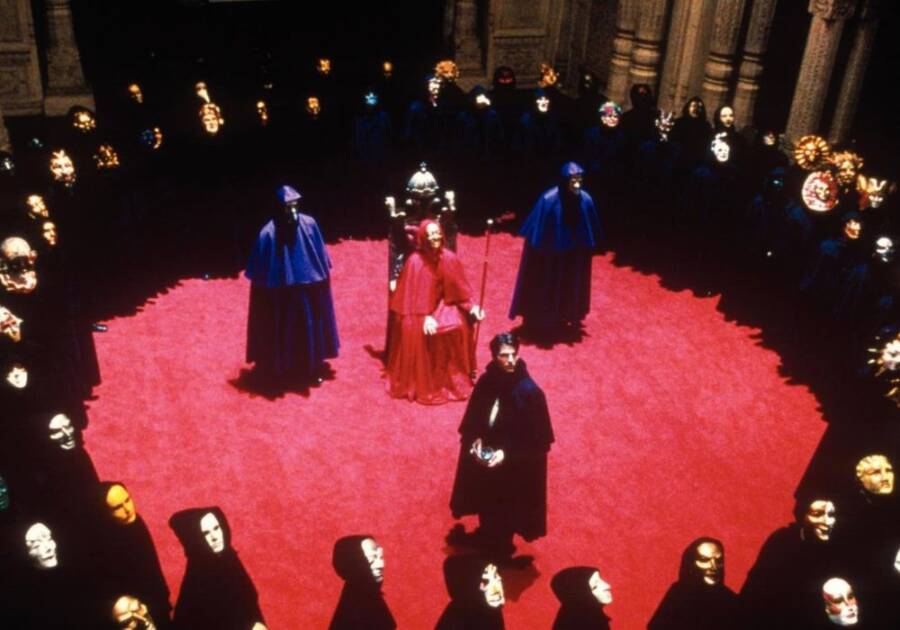
Warner Bros. EntertainmentSome believe that the Rothschild Surrealist Ball inspired the imagery for Stanley Kubrick's 1999 film Eyes Wide Shut. Several scenes were even shot at Mentmore Towers, a former Rothschild estate.
Other theorists claim that the party was full of Freemason and Illuminati imagery, such as the château's black-and-white checkered floors. And the maze that greeted guests upon their arrival purportedly symbolized life's quest for wholeness and a return to our divine source.
Some people have even pointed to the disturbing dolls that decorated the tables as a nod to human sacrifice, but again, there is no evidence to back these claims.
There's no shortage of conspiracies that suggest the ball was the Rothschilds' way of sending a "secret message" indicating that they intended to "rule the world." And while it's more likely that the motive of this Rothschild Surrealist Ball was simply to be as eccentric as possible, some theorists view the theme itself as a clever alibi.
In the end, it seems as though you had to be there to know the whole truth.
After learning about the Rothschild Surrealist Ball of 1972, read about the glamorous and gruesome history of the masquerade ball. Then, look through these vintage photos of celebrity New Year's Eve parties.