On September 15, 2001, Balbir Singh Sodhi was planting flowers outside of his Arizona gas station to honor the victims of 9/11 when he was fatally shot from behind by Frank Roque because he was wearing a turban.
On Sept. 15, 2001, Balbir Singh Sodhi stood outside of his gas station, the Mesa Star Chevron, to decide where to plant flowers for the victims of the terrorist attacks four days earlier. He had just emptied his wallet to donate to a fund for the tragedy and wanted to go to New York to volunteer for the clean-up and recovery efforts.
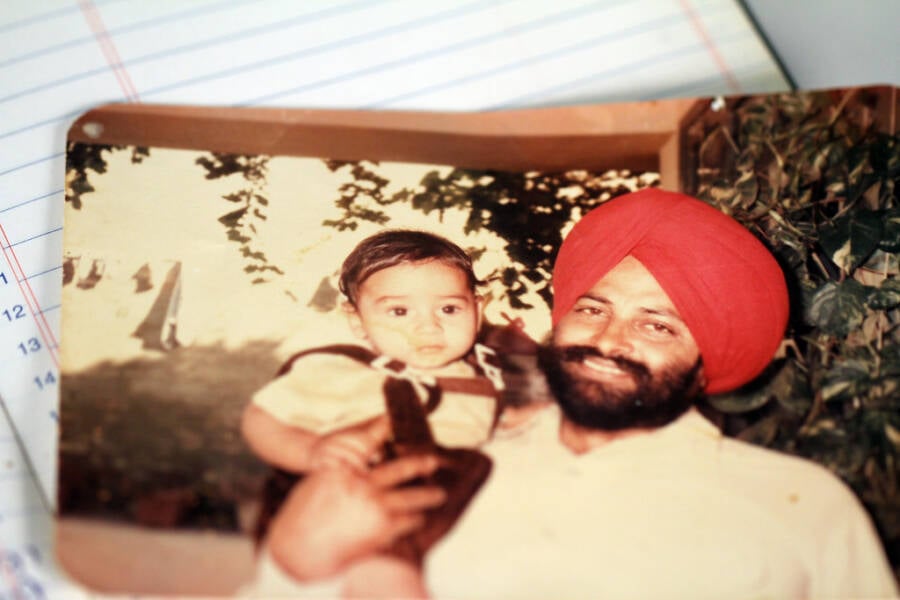
Sandra Vuong/Smithsonian Asian Pacific American CenterBalbir Singh Sodhi was a beloved member of the Mesa community who was gunned down by Frank Roque, who thought he was Arab because of his turban.
At the same time, he was also making a plan to help his own people. Sodhi was a Sikh Indian. He had a beard and wore a turban, and he anticipated his appearance would make him and his fellow Sikhs a target in the wake of 9/11. He and his brother, Rana, had already met with Sikh leaders in the Phoenix area and were preparing to hold a press conference to educate their community on their peaceful beliefs.
Frank Silva Roque had a plan, too. The 42-year-old Arizona man had sworn that he was going to “go out and shoot some towel heads.”
So, as Balbir Singh Sodhi planted flowers for 9/11 victims, Roque pulled up in a pickup truck and shot him five times in the back. The 52-year-old Sikh man’s death was the first in a series of “revenge” murders that followed the attacks of September 11, 2001. But Sodhi’s name would come to represent so much more than the heinous act that took his life.
The Life Of An American Dreamer
Born in 1949 in Punjab, India, Sodhi was a personification of the American Dream. He came from a family of farmers and merchants, and he immigrated to the United States with his brothers in the late 1980s to make more money for his wife and children.
He also moved to escape religious persecution. After Prime Minister Indira Gandhi was assassinated by her Sikh bodyguards in 1984, Sikhs in India faced extreme violence. He first settled in California, where he worked various jobs, including as a cab driver.
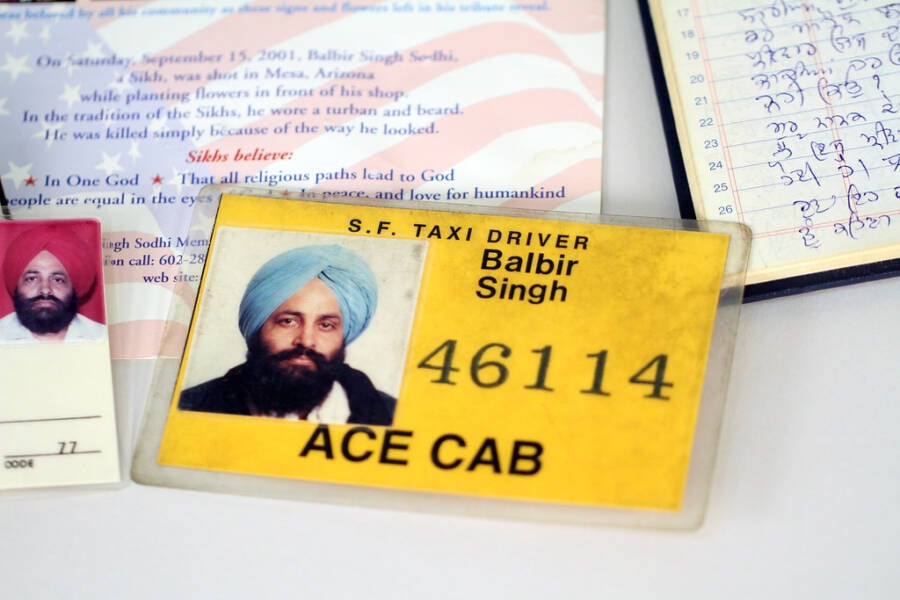
Sandra Vuong/Smithsonian Asian Pacific American CenterBalbir Singh Sodhi worked as a taxi driver when he first arrived in America.
He sent much of the money he made in the U.S. back to his community in India, providing uniforms for schoolchildren and making sure the elderly had clothing to wear. After buying a gas station in Mesa, Arizona, in 2000, Sodhi would often give children free candy or let those in need fill their tanks for no charge.
Frank Silva Roque was a near polar opposite. He was raised by an abusive father and a schizophrenic mother, and his life left him bitter. He was convicted of attempted robbery in 1983, and his estranged wife sought orders of protection against him after he assaulted her and their children.
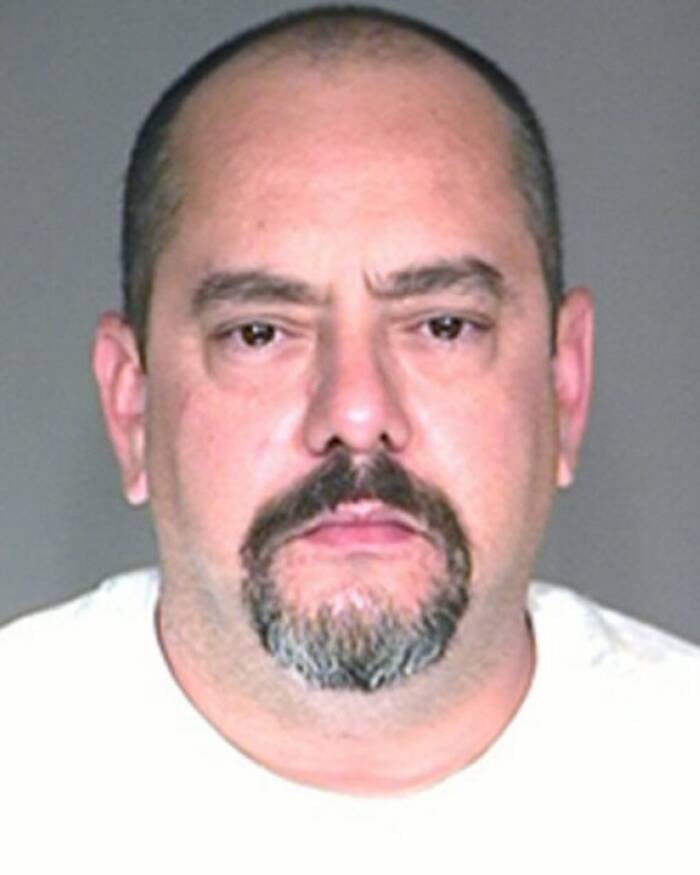
Arizona Department of CorrectionsFrank Roque killed Balbir Singh Sodhi on September 15, 2001.
In the wake of the 9/11 attacks, Roque had a mental breakdown. Whether it was psychosis brought on by trauma or barely restrained hatred that was finally given an outlet, he was determined to get revenge on America’s Middle Eastern population.
According to court documents, Roque informed a friend that he wanted to kill “rag heads.”
The Cold-Blooded Murder Of Balbir Singh Sodhi
As reported by The Guardian in 2003, Frank Roque displayed concerning behavior in the days leading up to Sodhi’s murder. His brother, Howard, spoke with him on Sept. 15. “He said his head was going to explode,” Howard recalled. “‘I am going to die; I am going to die. The voices, the voices; I am going to die.’ He said, ‘The Devil is out there; we have to stop him.'”
That afternoon, Balbir Singh Sodhi was outside of his gas station with a landscaper planning where to plant his flower memorial when Frank Roque’s truck pulled up. Roque shot Sodhi five times in the back and sped away. He then drove to his former home, which he had sold to an Afghan family, and fired shots at the house. He also fired at a Lebanese man through the window of another gas station, though the victim wasn’t injured.

Google MapsThe gas station where Balbir Singh Sodhi was murdered. A memorial to him can be seen on the right.
After this disturbing spree, Roque went to a local sports bar and started shouting, “We’re going to take back our country from the Arabs! We need to stand up and fight!” He also bragged, “They’re investigating the murder of a turban head down the street.”
And when the police arrested Roque shortly after the shootings, he declared, “I’m a patriot and American. I’m American. How can you arrest me and let the terrorists run wild?”
Roque was charged with the murder of Balbir Singh Sodhi, and his trial began in August 2003. His attorneys claimed that he was not guilty by reason of insanity due to the fact that he’d heard voices telling him to kill Arabs. They said that his lifetime of mental illness, troubled childhood, and the trauma of the 9/11 attacks left him temporarily unable to tell right from wrong.
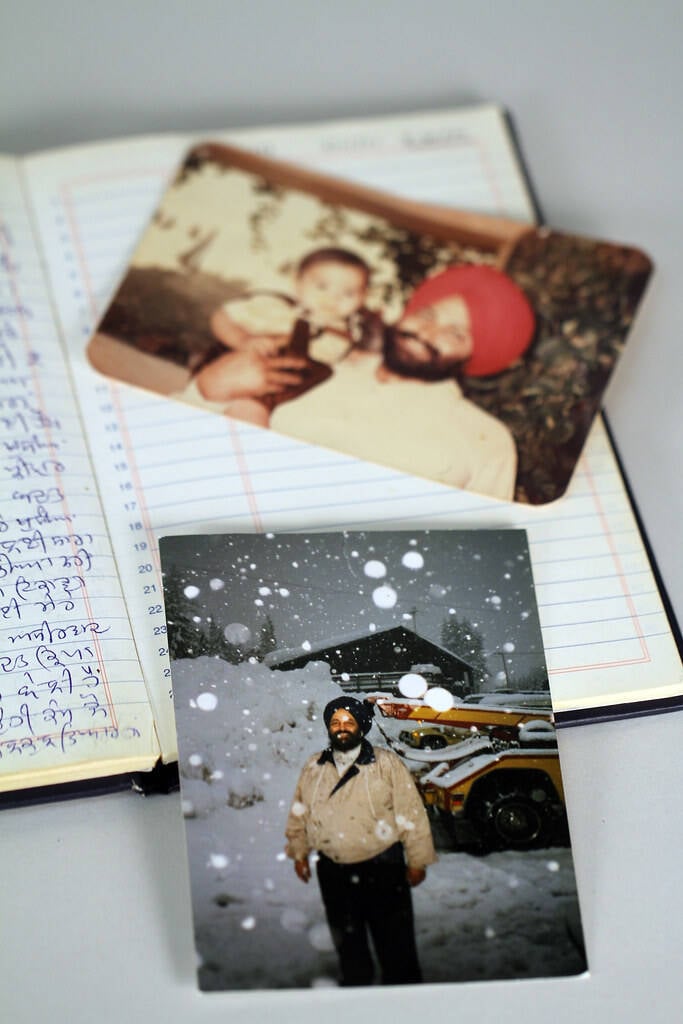
Sandra Vuong/Smithsonian Asian Pacific American CenterBalbir Singh Sodhi was killed simply for the color of his skin and his religious attire.
However, Roque’s coworkers took the stand and testified that he had previously spoken of his hatred toward immigrants. In the end, he was found guilty and sentenced to death, though this was later changed to life in prison. He died behind bars in 2022 at the age of 62.
Before his death, however, he expressed remorse for killing Balbir Singh Sodhi.
Balbir Singh Sodhi’s Inspiring Legacy
In 2016, Sodhi’s brother, Rana, and family friend Valarie Kaur decided to call Frank Roque in prison. Kaur documented the phone call, writing that Roque told Rana, “I want you to know from the bottom of my heart, I’m sorry for what I did to your brother. One day, when I go to Heaven to be judged by God, I will ask to see your brother, and I will hug him, and I will ask him for forgiveness.”
Rana replied, “We already forgave you.”
Indeed, in the aftermath of Balbir Singh Sodhi’s death, his loved ones had focused not on ensuring that Roque’s death sentence was upheld but on sharing Sodhi’s peaceful and loving spirit with the world. They did fight to have Sodhi’s name included on a memorial for 9/11 victims, however.
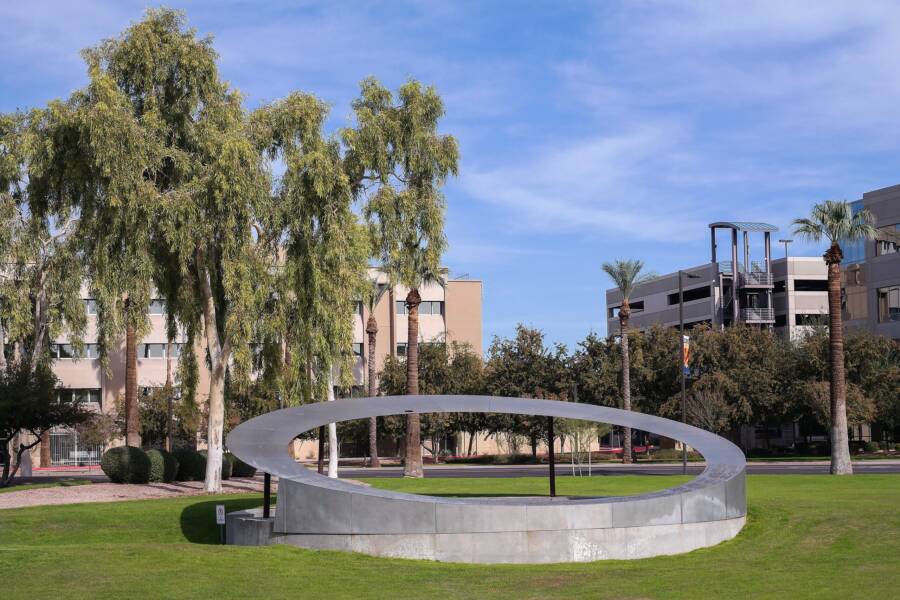
Visitor7/Wikimedia CommonsThe 9/11 memorial in Phoenix, Arizona, includes Balbir Singh Sodhi’s name.
As Sodhi was the first known victim of a series of “revenge” murders that were carried out on Muslims and Arabs in the aftermath of the attacks, his family insisted that he be honored. When lawmakers disagreed, claiming that Sodhi wasn’t a primary victim of 9/11, his son, Sukhwinder, asked them, “Do you think that my dad would have lost his life if 9/11 didn’t happen?”
Today, Balbir Singh Sodhi’s name remains displayed on the memorial in honor of the innocent Sikh Indian who lost his life to unthinkable hatred. It’s a lasting testament to a man who truly believed in the good of others.
After reading about the tragic story of Balbir Singh Sodhi, go inside the stories of nine 9/11 victims that paint a heartbreaking picture of America’s darkest day. Or, discover 9/11 conspiracy theories that many people think are actually true.