Miep Gies: The Woman Who Hid Anne Frank And Saved Her Diary
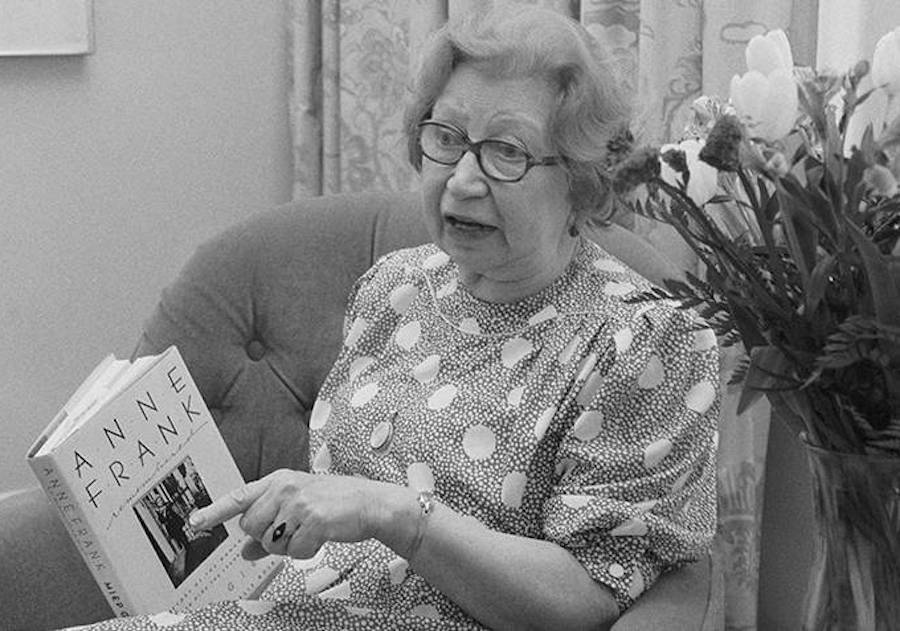
Getty ImagesMiep Gies holding a copy of the diary she saved.
In 1947, an Amsterdam publishing house released a remarkable book: The Diary of a Young Girl by Anne Frank. This collection of diary entries, which recorded the life of a young Jewish teenager hiding from the Nazis, became a powerful account of the suffering of Jews during World War II.
But Anne’s diaries only survived because of a family friend named Miep Gies.
Gies (born Hermine Santruschitz) worked for Anne’s father, Otto, at a pectin and spice company in Amsterdam. But after the Nazis invaded the Netherlands, Gies soon realized that her boss was in danger. So she agreed to shelter the Franks in spare rooms above the offices where she worked.
For two years, Gies guarded their secret. As Anne Frank wrote about life in hiding, Gies quietly provided for them, often visiting multiple grocery stores so that she wouldn’t attract suspicion by buying a lot of food at one place.
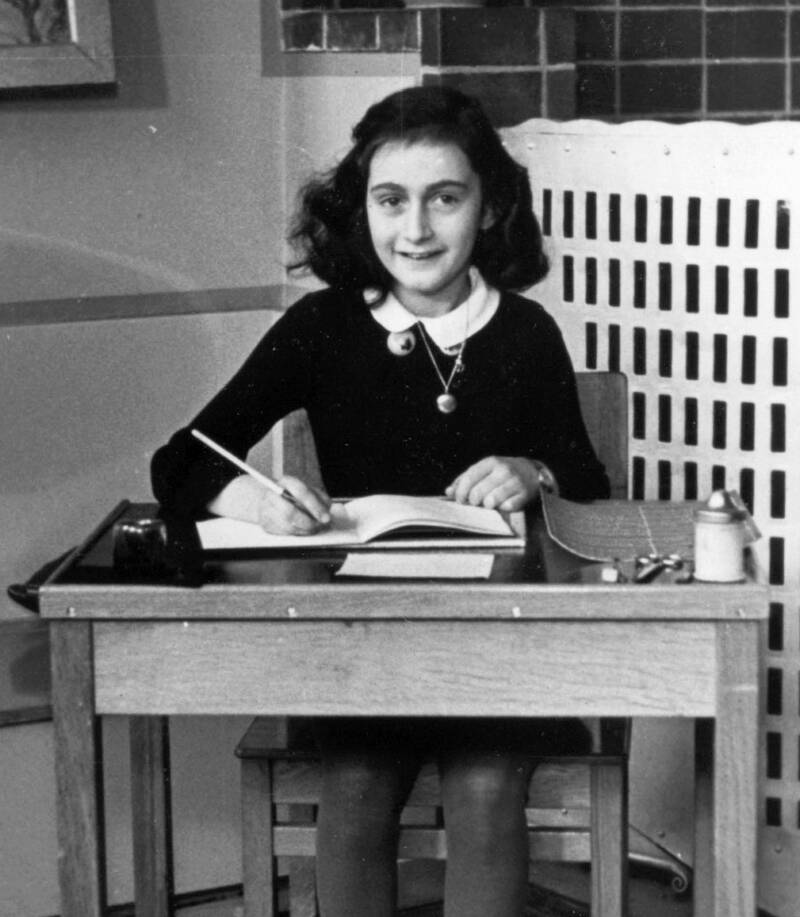
Wikimedia CommonsAnne Frank in 1940. She kept her diary from 1942 until her family’s capture in 1944.
“Miep is just like a pack mule, she fetches and carries so much,” Anne wrote in one entry. “Almost every day she manages to get hold of some vegetables for us [and] brings everything in shopping bags on her bicycle.”
But Gies couldn’t protect the Franks forever. The hiding place was raided in August 1944. The Franks and the other hidden families were arrested and taken away. However, the Nazis left one thing behind: Anne Frank’s diary.
Gies intended to return the diary to its rightful owner. But tragically, Anne Frank died of typhus in 1945 at the Bergen-Belsen concentration camp. When her father — the only member of the Frank family to survive the Holocaust — returned to the Netherlands, Gies gave the diary to him.
Eventually, Otto Frank decided to publish it, bringing Anne’s story to millions. But it may have been lost to history if it weren’t for Miep Gies.
Paul Grüninger: The Swiss Border Commander Who Falsified Documents To Save Jews
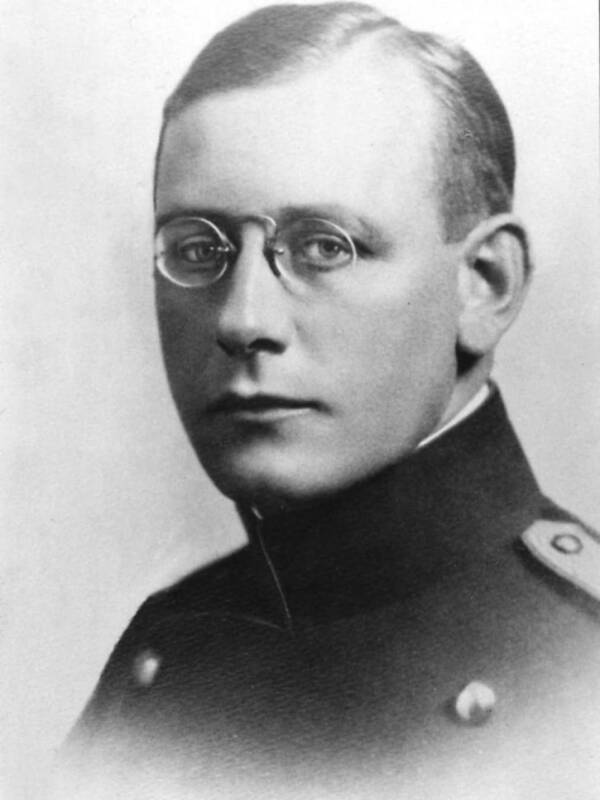
Wikimedia CommonsPaul Grüninger used his position to quietly help thousands of desperate refugees enter Switzerland.
By the late 1930s, conditions in Germany and Austria had become increasingly terrifying for Jewish people. Many tried to enter Switzerland, where border commanders had been ordered to turn them away.
But one border commander, Paul Grüninger, decided to help.
Grüninger seemed an unlikely person to break the rules. A former soldier and longtime policeman, he had literally made a career out of following the law. But when Swiss authorities ordered him to deny Jewish people entry into Switzerland, Grüninger quietly defied his superiors.
From 1938 to 1939, Grüninger falsified 3,600 Jewish refugees’ passports, allowing them to evade detection and enter the country. “I’d rather break the rules than send these poor, miserable people back to Germany,” he said.
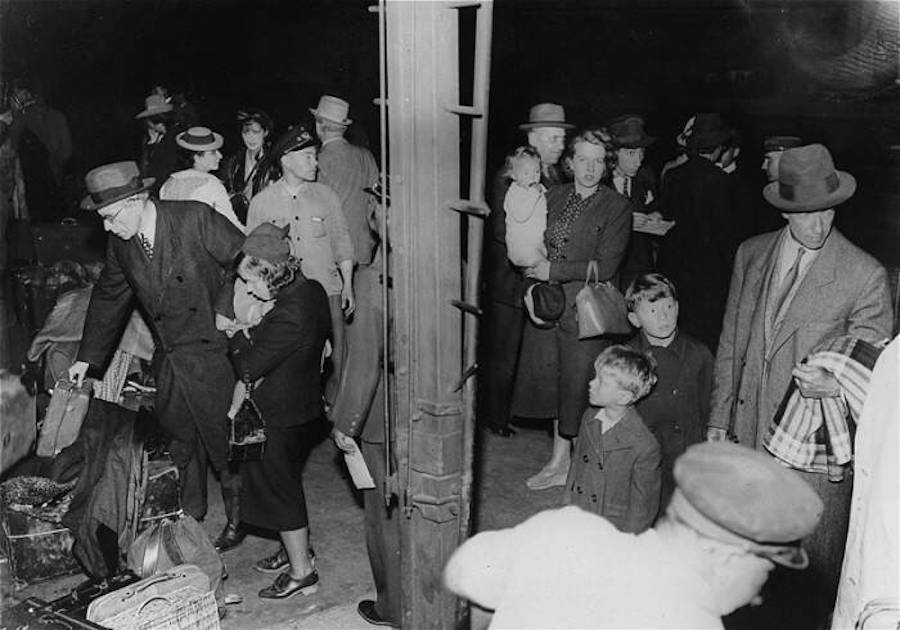
United States Holocaust Memorial Museum/Courtesy of Ike BittonJewish refugees attempting to flee Europe. Lisbon. 1940.
In addition to helping Jewish people enter Switzerland, Grüninger also did what he could to help the terrified refugees. On one occasion, he bought shoes for a little boy. On another, he paid for a young girl’s visit to the dentist.
But Swiss officials became suspicious. They had given orders: “Those who are Jews or probable Jews are to be turned back.” Yet a shockingly high number of Jewish refugees seemed to be pouring into the country.
Before long, Grüninger’s superiors realized that he had defied their directives. As a result, he was fired from his post, found guilty of breaking the law, saddled with a criminal record, and stripped of his pension.
Despite his punishment, Grüninger never regretted what he had done:
“I am not ashamed of the court’s verdict,” he said in 1954. “I am proud to have saved the lives of hundreds of oppressed people… My personal well-being, measured against the cruel fates of these thousands, was so insignificant and unimportant that I never even took it into consideration.”