Irena Sendler: The Polish Humanitarian Who Helped Save 2,500 Children
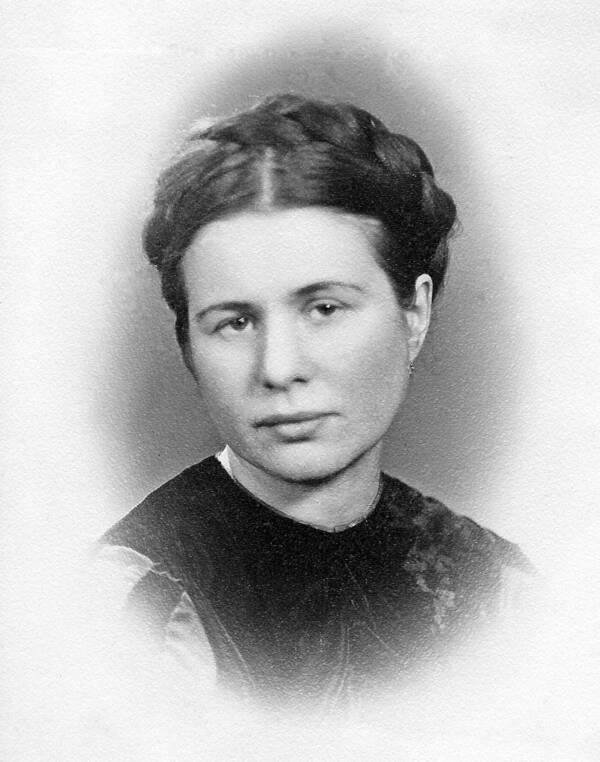
Wikimedia CommonsIrena Sendler helped rescue thousands of Jewish children from German-occupied Poland.
Irena Sendler learned this life lesson from her father: “When someone is drowning, you don’t ask if they can swim, you just jump in and help.”
That’s exactly what Sendler did after the Nazis invaded Poland in September 1939. As an employee at the Polish Social Welfare Department, Sendler and some colleagues falsified thousands of documents to help Polish Jews.
But Sendler wanted to do more. Shortly after the German invasion, the Nazis had crammed nearly half a million Jews into the Warsaw Ghetto, where many suffered from starvation. To help, Sendler quietly signed up for the Polish resistance movement, joining an underground group called Zegota.
Slowly, Sendler began to enter the ghetto under the guise of checking for typhus. While there, she brought food, medicine, and clothing to the desperate people inside. But Sendler did not leave the ghetto empty-handed. Gradually, she began taking babies and small children out.
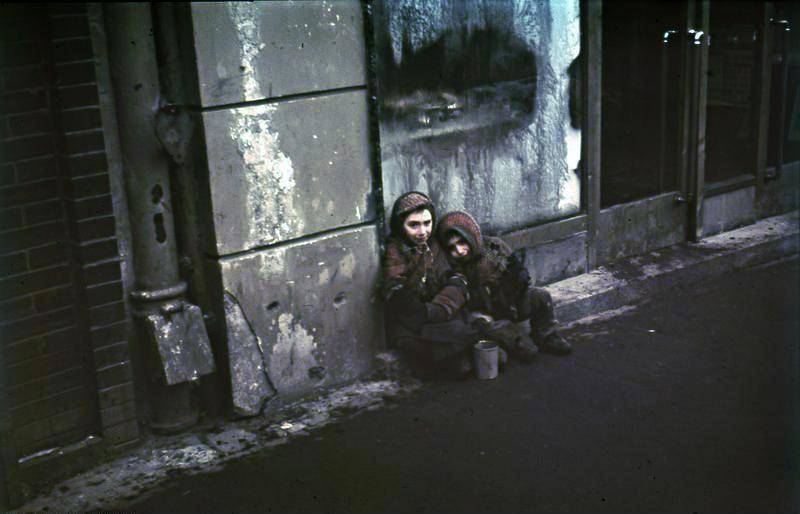
Wikimedia CommonsYoung children huddling together for warmth in the Warsaw Ghetto.
Smuggling the children out of the ghetto in suitcases, packages, and even coffins, Sendler transported them away to safety. Some were sent to live with friends of Zegota. Others were sent to Christian Polish families or orphanages and given Christian names. But Sendler kept track of them all — determined to one day return them to their families if at all possible.
When the Nazis finally caught up to her, Sendler refused to reveal the identities of her comrades, or any of the children she helped save. Though the Nazis brutally tortured her, Sendler remained silent.
She even survived a death sentence — thanks to a last-minute bribe from Zegota. Amazingly, even though her work had almost cost her her life, Sendler returned to her position with Zegota under a different name.
Thanks to her bravery, some 2,500 Jewish children escaped the Holocaust. But like other heroes on this list, Sendler refused to call herself such.
“The term ‘hero’ irritates me greatly,” Sendler later said, though Israel honored her as one of the Righteous Among the Nations in 1965. “The opposite is true. I continue to have pangs of conscience that I did so little.”
Oskar Schindler: The Complicated Businessman Behind Schindler’s List
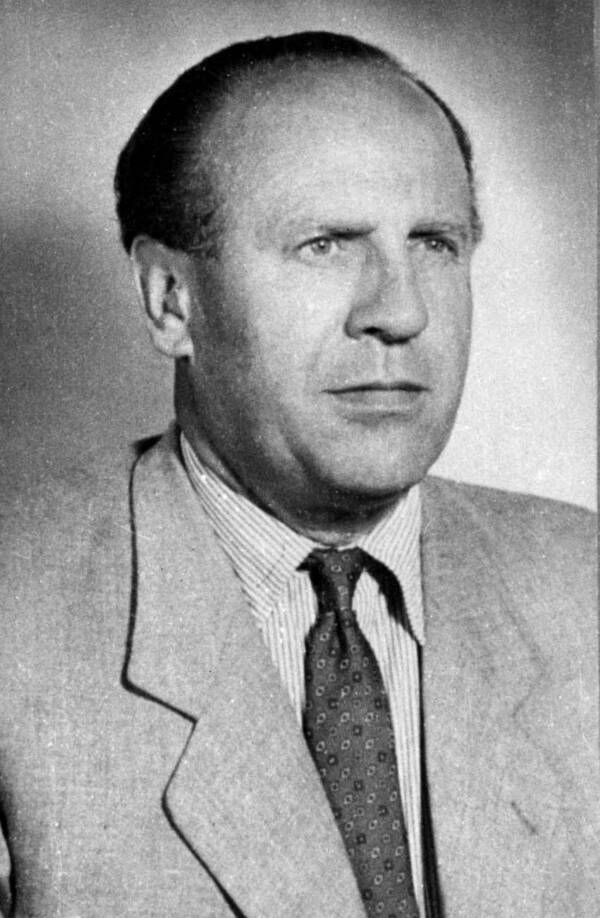
Wikimedia CommonsOskar Schindler helped save 1,200 Jews, though his legacy is complex.
At the beginning of World War II, German businessman Oskar Schindler seemed more interested in building a fortune than helping anyone. After taking over an enamelware factory in Poland that had once been owned by a Jew, Schindler spent most of his time gambling and cavorting with women.
But behind the scenes, Schindler — who was a member of the Nazi Party — began to look out for his Jewish workers. He started to feel disgusted with the Nazis and searched for ways to help the Jews they targeted.
“I hated the brutality, the sadism, and the insanity of Nazism,” Schindler later said. “I just couldn’t stand by and see people destroyed.”
Fortunately for both Schindler and his Jewish employees, Schindler had a powerful card to play. The Germans considered his factory, which produced kitchenware for the German army, as a “business essential to the war effort.”
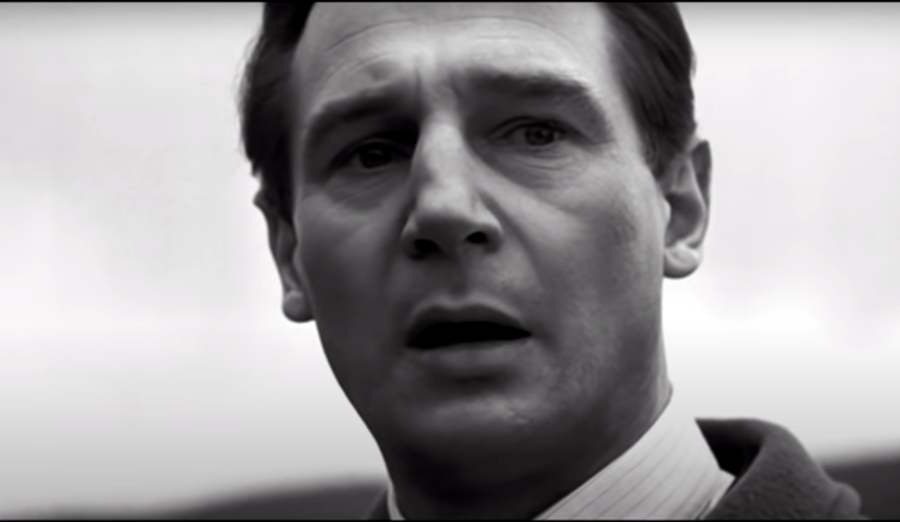
Liam Neeson played Oskar Schindler in the 1993 movie Schindler’s List.
Armed with his special privilege, Schindler refused to give up his employees to the SS — they were, he claimed, essential workers. If the Nazis had looked closer, they might have noticed that some of Schindler’s mechanics and metalworkers were actually children, women, and white-collar men.
Though the Gestapo arrested Schindler multiple times, he was able to escape serious punishment. And in 1944, Schindler moved his factory (by then focusing on armaments) to Czechoslovakia. He then successfully transferred about 800 Jewish men and between 300 and 400 Jewish women — who would have otherwise been killed in concentration camps.
“I did what I could, what I had to do, what my conscience told me I must do,” Schindler later said. “That’s all there is to it. Really, nothing more.”
In the end, this Holocaust hero is credited with saving 1,200 Jews.