Gustav Schröder: The German Sea Captain Of The “Voyage Of The Damned”
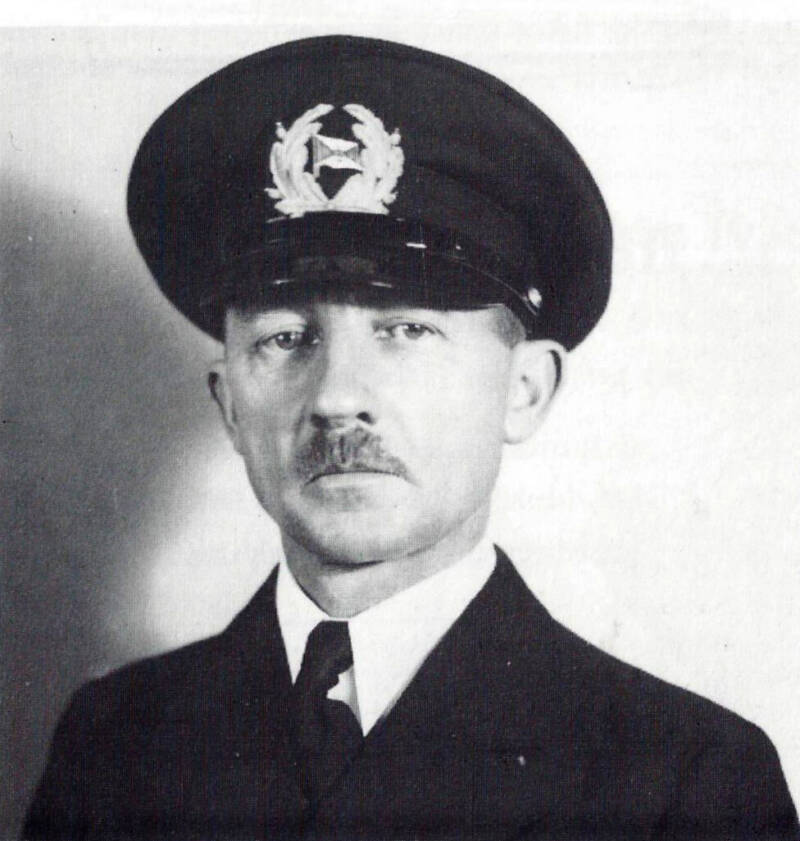
Wikimedia CommonsGustav Schröder treated his Jewish passengers with courtesy and kindness as they attempted to flee the Nazis.
In May 1939, the ship St. Louis set off from Hamburg en route to the Americas. But this was no normal voyage. The ship, packed with over 900 Jewish refugees, was a last-ditch effort for many to escape the Nazis.
Some of the families had paid hundreds of dollars (thousands in today’s money) to secure a visa from the Cuban Embassy in Berlin. And they put their trust in Captain Gustav Schröder to get them there.
Schröder, an experienced seaman, paid special care to his Jewish passengers. He ordered his crew to treat the families with courtesy and care — a sharp contrast to the hostility toward Jews in much of Germany.
The captain also allowed the Jewish families to have Friday night prayers in the ship’s main dining room. And, while they prayed, he allowed them to take down the large portrait of Adolf Hitler normally affixed to the wall.
But even though the St. Louis sailed to Cuba without much trouble, its passengers weren’t able to find salvation in Havana.
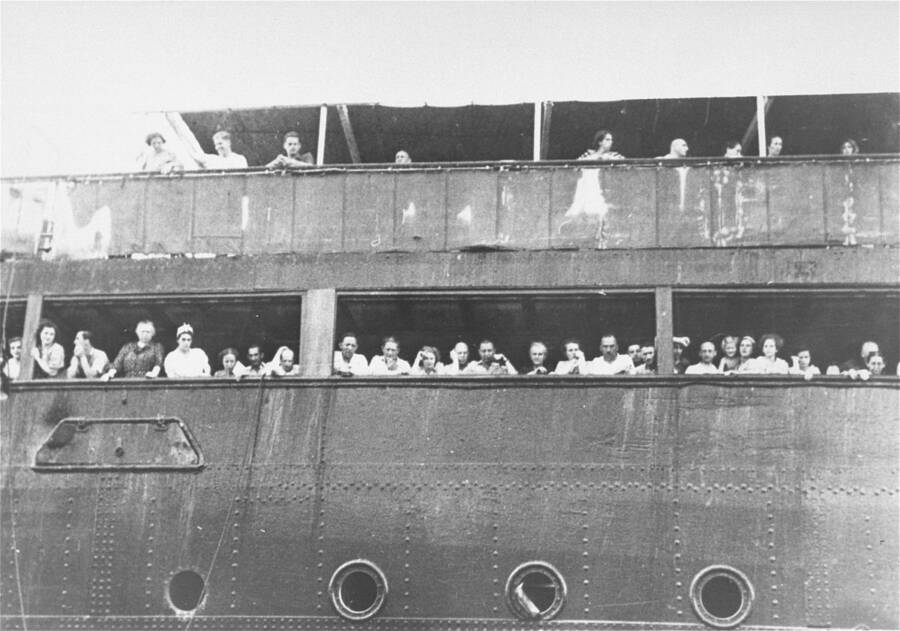
National Archives and Records AdministrationJewish refugees wait to hear if Cuba will allow them entry. June 3, 1939.
After the refugees arrived in Cuba, officials turned them away. For seven days, Schröder tried to sway them to accept the refugees, but they still refused. The St. Louis then attempted to drop off the refugees in Florida — but American officials there also refused them entry.
Shocked and horrified, the passengers believed that they had no choice but to return to Germany. But Schröder refused to give them up to the Nazis.
Though he considered wrecking his ship on the English coast — thus forcing the British to intervene — Schröder eventually found another solution. Belgium, Great Britain, and France each agreed to take in a number of the desperate families. None of them would have to return to Germany.
Despite this, some 250 of them still tragically perished as the Nazis tightened their hold on Europe. But those who survived never forgot the kindness and quiet courage of their ship’s captain. In 1993, Yad Vashem recognized Gustav Schröder as Righteous Among the Nations.
Chiune Sugihara: The Japanese Diplomat Turned Holocaust Hero
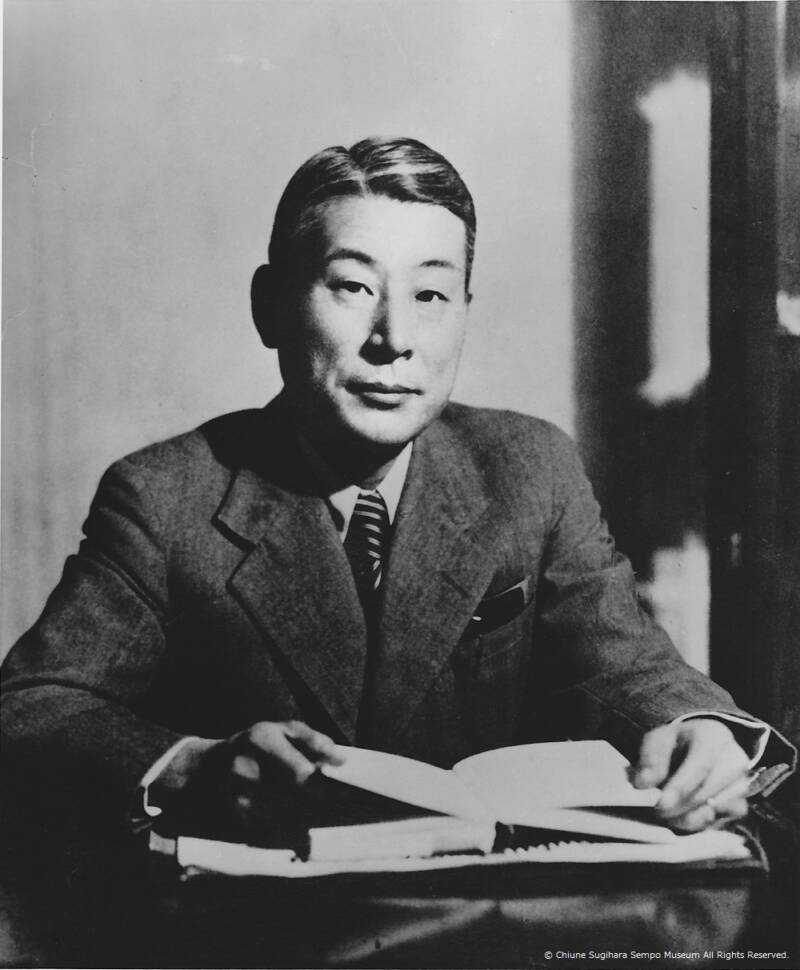
Wikimedia CommonsAs a Japanese diplomat in Lithuania, Chiune Sugihara helped save thousands of Jews.
Many of the heroes on this list are Europeans. But Japanese diplomat Chiune Sugihara also recognized that Jewish people in Europe were in desperate need of help — and he saved as many as he could.
Assigned to work at a consulate in Lithuania, Sugihara had initially come to Europe to keep tabs on German and Soviet troop movements. But before long, he found himself faced with a humanitarian crisis. After Hitler invaded Poland, Jewish refugees poured into Lithuania in hopes of escape. Then, many of them showed up at Sugihara’s door, begging him for help.
Sugihara came up with a plan: He could help the Jewish refugees by issuing them Japanese transit visas. That way, they could escape Europe safely by taking the train through Siberia to Japan. But his superiors adamantly refused — and forbade him from issuing documents to Jewish refugees.
Undeterred, and convinced of the necessity of his actions, Sugihara got to work. He and his wife labored feverishly over the course of just one month in 1940. Working nearly around the clock, they issued up to 300 visas per day.
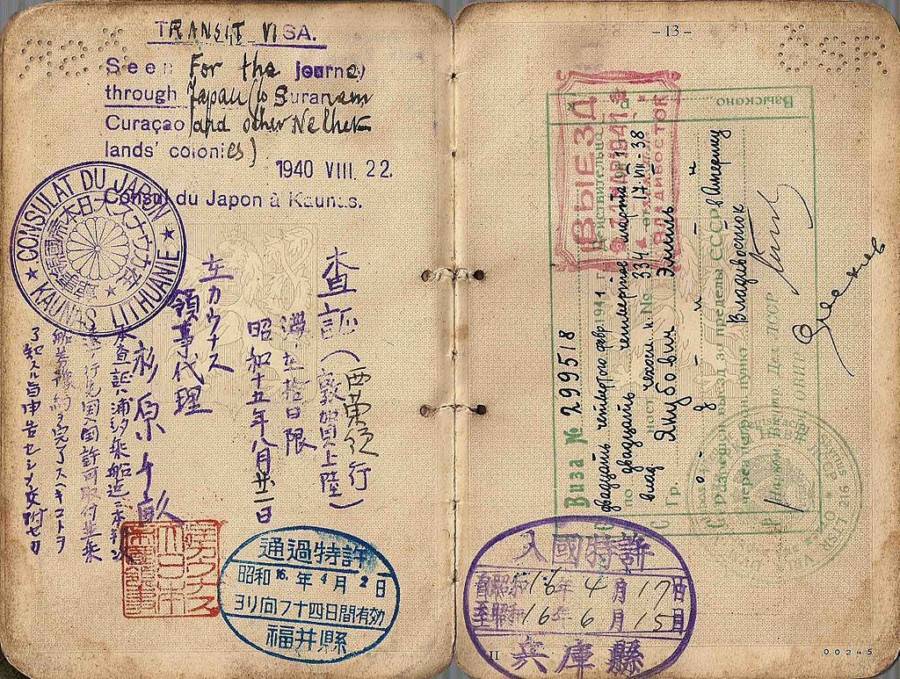
Wikimedia CommonsA visa issued by Chiune Sugihara.
During this time, Sugihara hardly slept or ate. He even filled out visa forms at the train platform when he was forced to evacuate his post. Sugihara was then reassigned to other consulates throughout Europe — and he was later held as a prisoner of war for over a year after World War II ended.
Though he was freed and sent back to Japan, Sugihara was soon pressured to resign from the foreign ministry. “You know what you did. Now you need to leave the ministry,” his superiors told him, according to Sugihara’s son.
But Sugihara never regretted his actions. “It is the kind of sentiments anyone would have when he actually sees refugees face to face, begging with tears in their eyes. He just cannot help but sympathize with them,” he later said. “I knew that somebody would surely complain about me in the future. But, I myself thought this would be the right thing to do.”
In all, Sugihara saved up to 6,000 people. As a result of his actions, between 40,000 and 100,000 descendants of the rescued people are alive today. And in 1986, Yad Vashem honored Sugihara as one of the Righteous Among the Nations. He is the only Japanese national to receive such an honor.