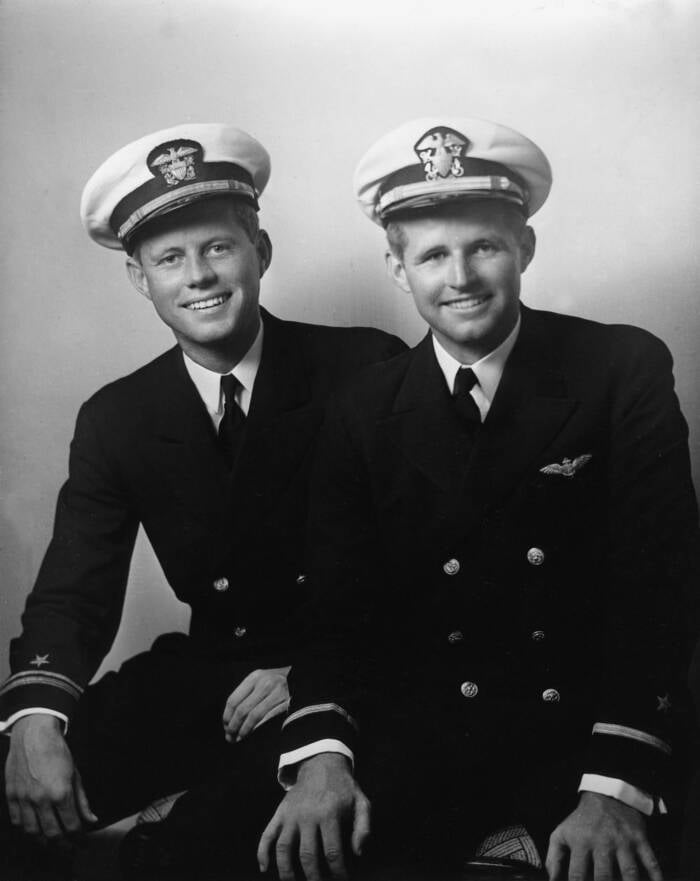
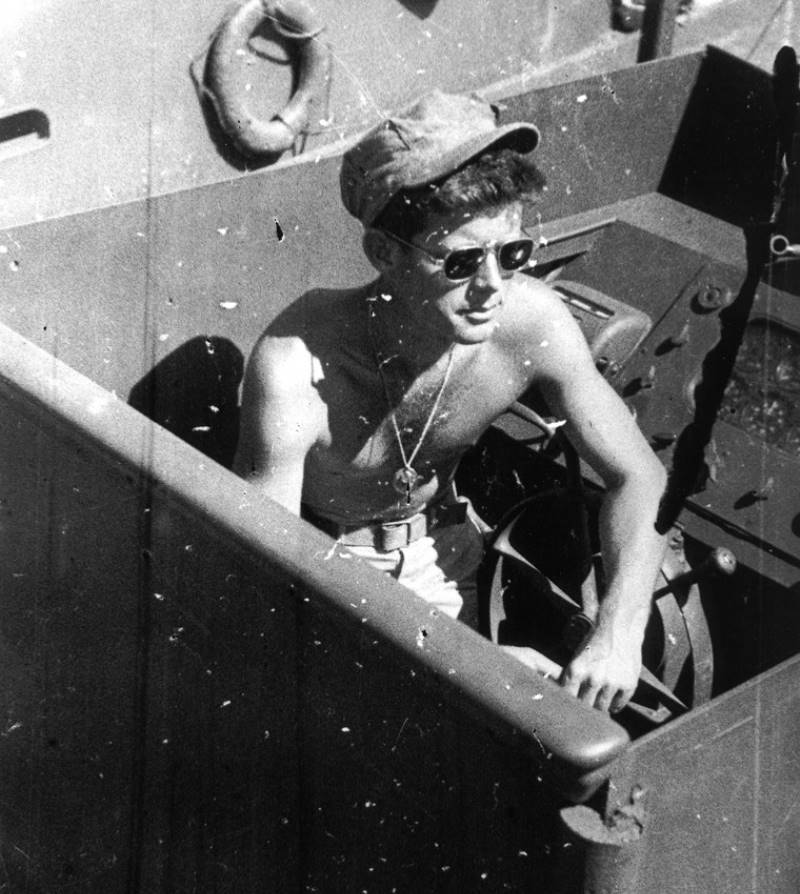
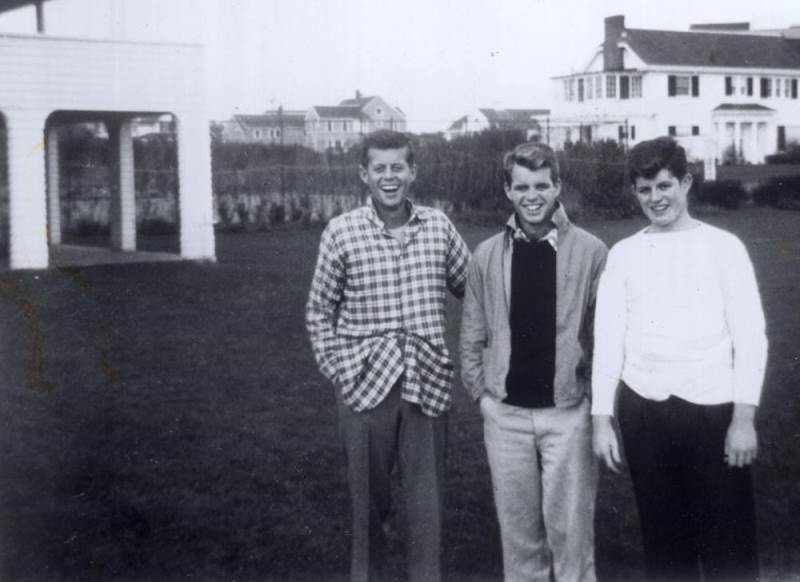
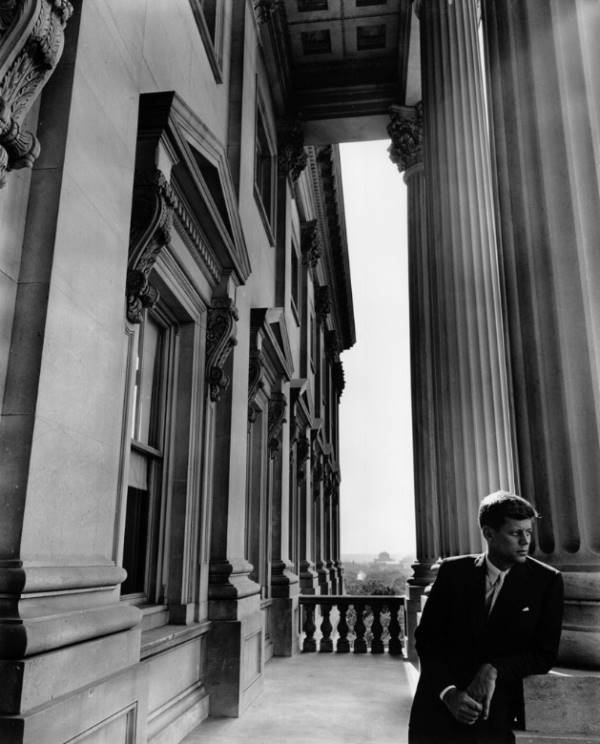
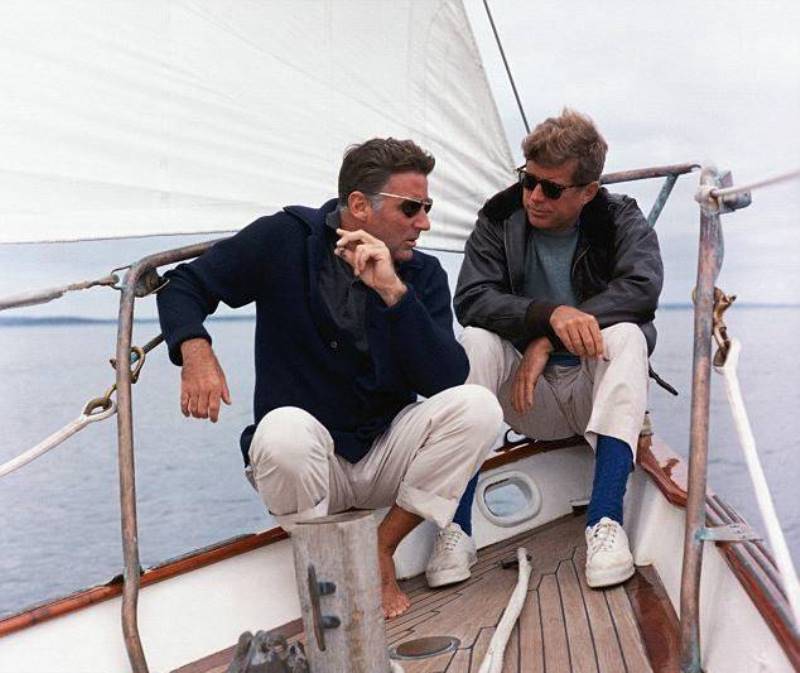
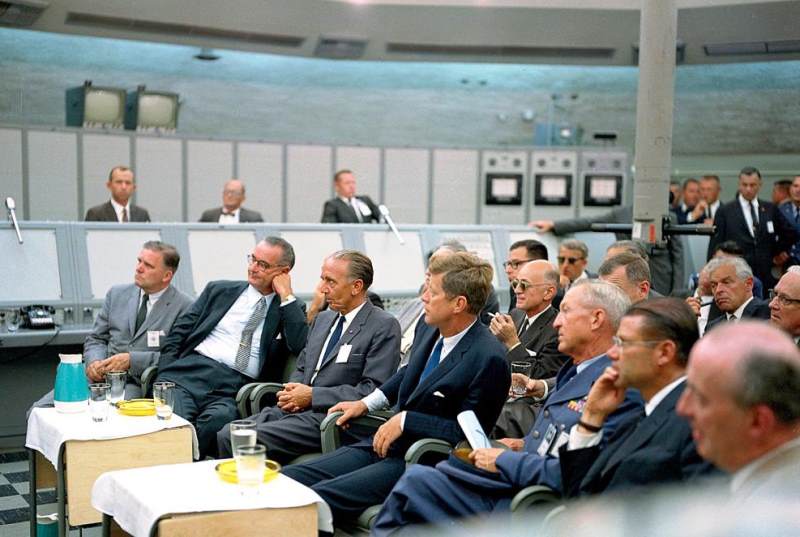
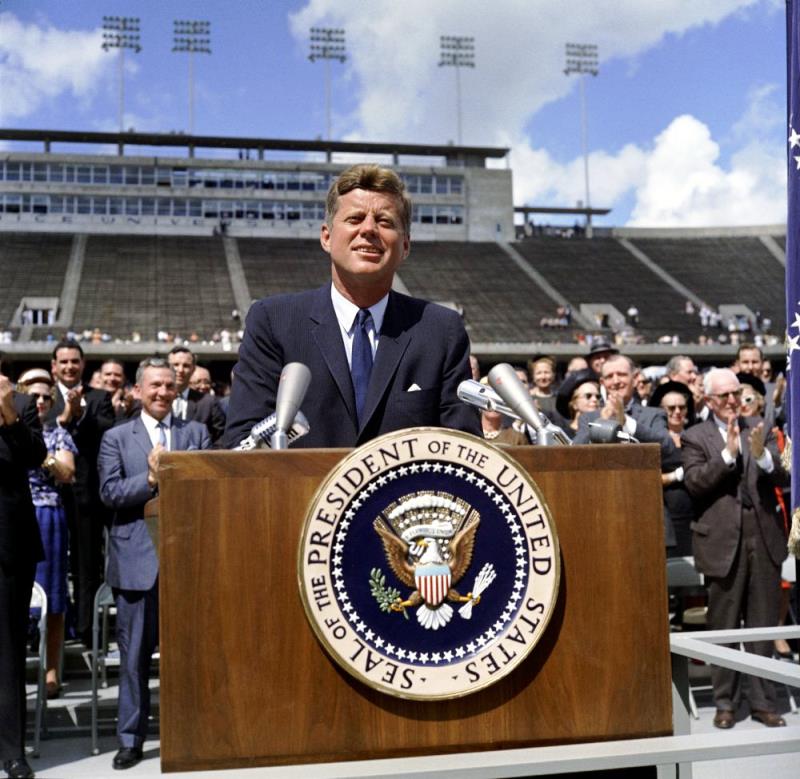
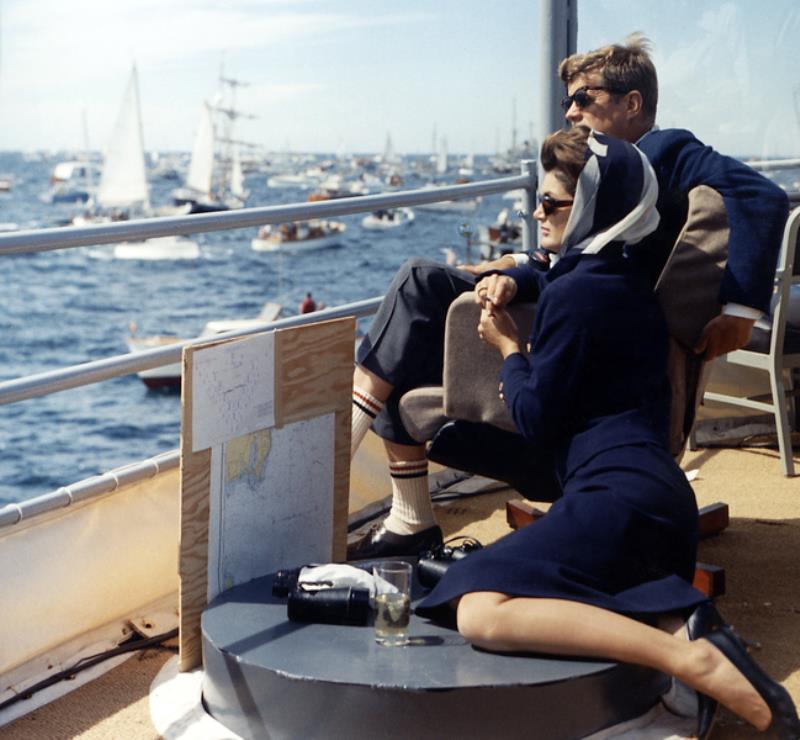
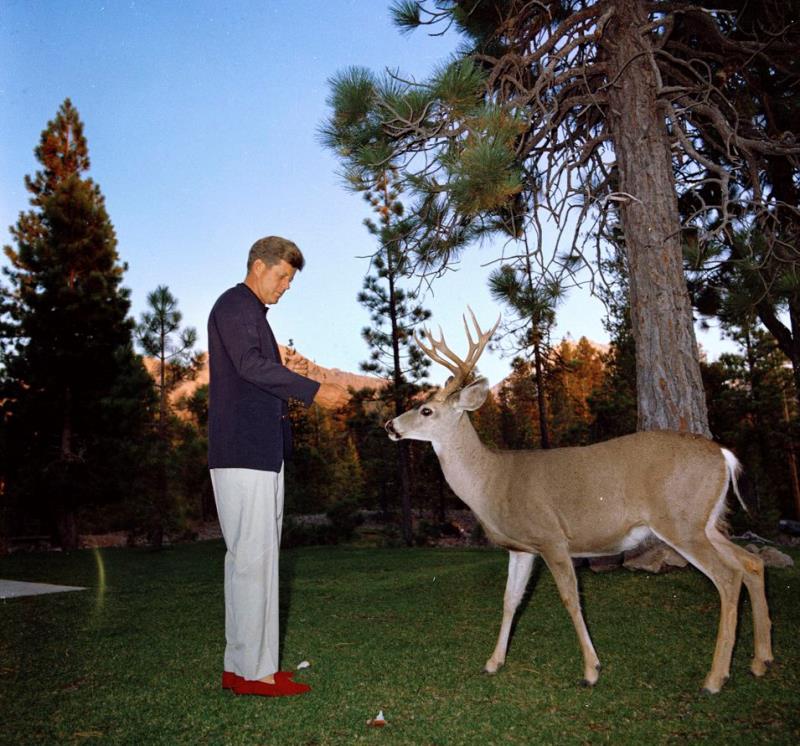
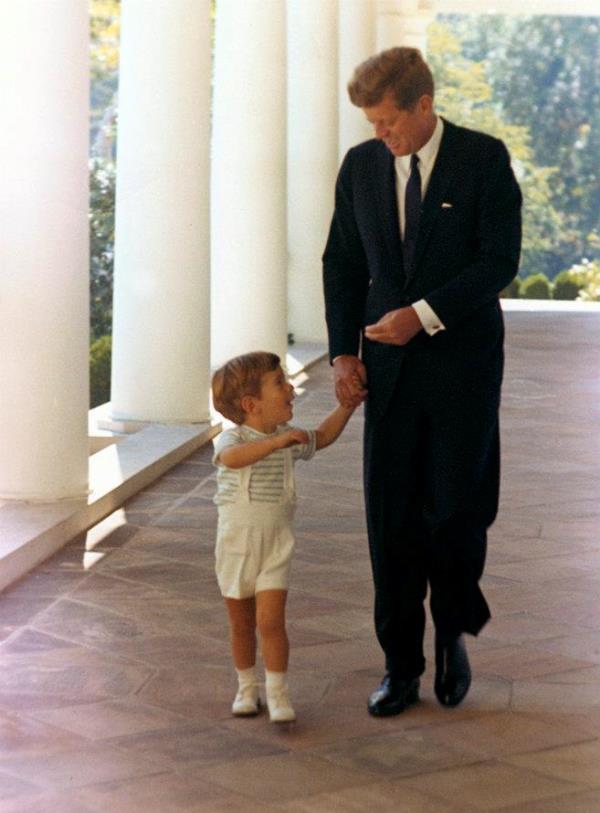
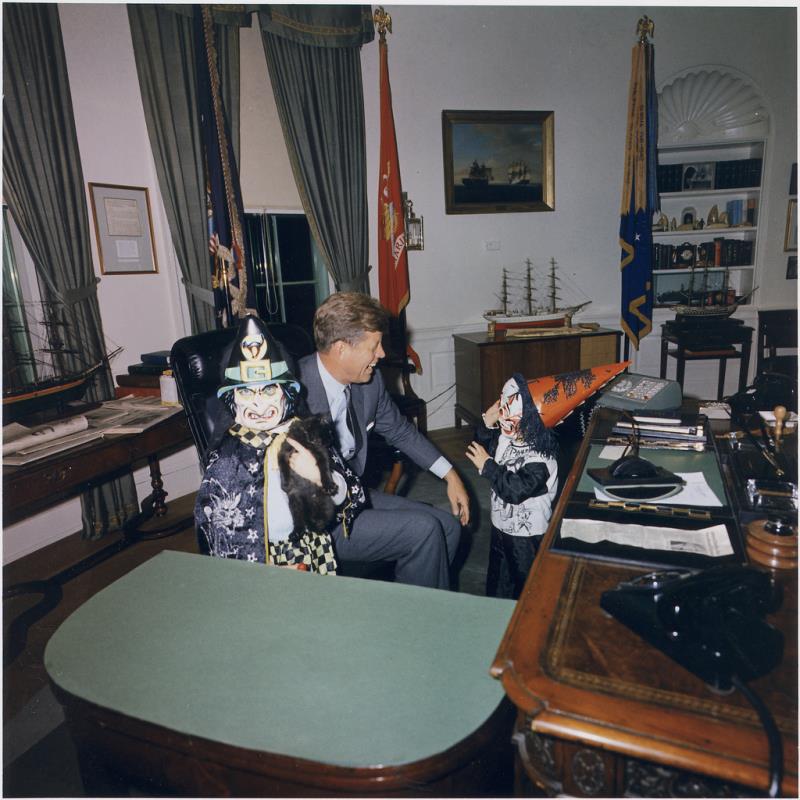
These pictures of JFK taken over the course of his life tell the story of his childhood, marriage, and wartime service, as well as his presidency and assassination.
In 1960, John F. Kennedy made history as the youngest elected president in U.S. history. Just three years later, he became the youngest president to die in office — and the JFK assassination stands as one of the defining moments of the 20th century. But there was much more to Jack Kennedy than the circumstances of his election or his death.
A scion of the powerful Kennedy family, Jack Kennedy hadn’t planned on a career in politics. His father, Joseph Kennedy had long hoped that Jack’s older brother, Joe Jr., would ascend to the White House. But when Joe Jr. died during World War II, their father’s hopes and dreams fell upon Jack.
Intelligent, handsome, and charismatic, Jack Kennedy’s political rise was swift. After serving in Congress and the Senate, Kennedy was elected as the first Catholic president in the nation’s history in 1960. He, his glamorous wife Jackie, and their children, became symbols of optimism, youth, and glamor.
But John F. Kennedy’s presidency had its challenges.
He stumbled early on during the Bay of Pigs, and brought the world to the brink of nuclear war during the Cuban missile crisis. Meanwhile, the Vietnam War began to expand in scope, and Kennedy faced a number of challenges at home as the civil rights movement began to gain steam.
That said, Kennedy remained popular at home. And he had begun to lay the foundation for civil rights legislation when he was assassinated in 1963.
Below, look through these photos of the life of John F. Kennedy. And read on to learn about his childhood, entrance into politics, presidency, and death.



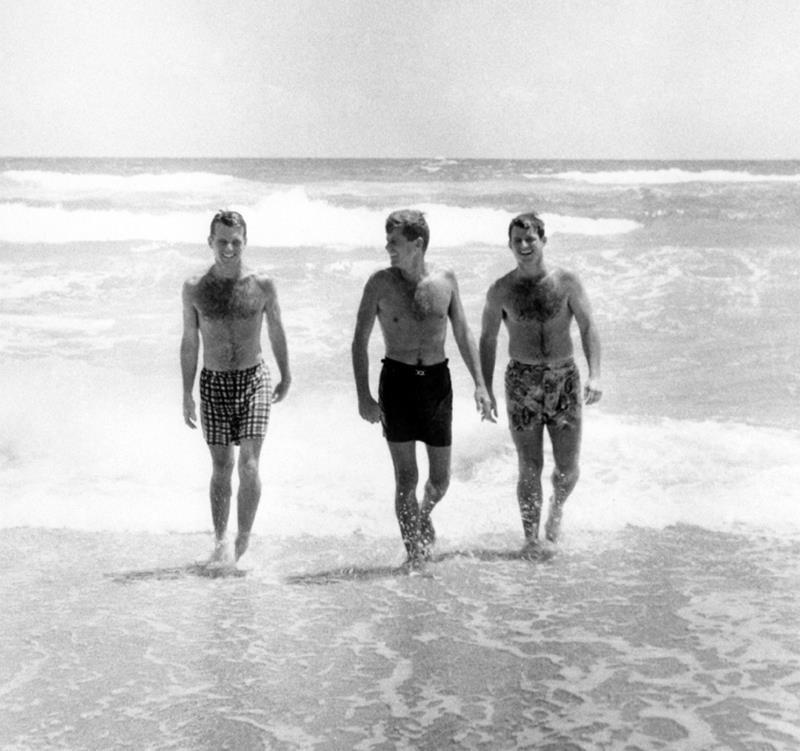

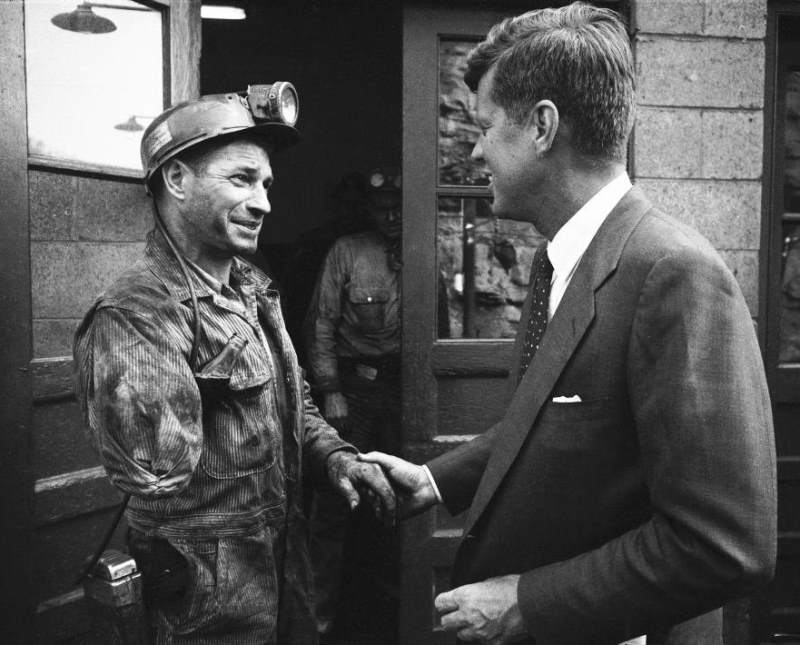


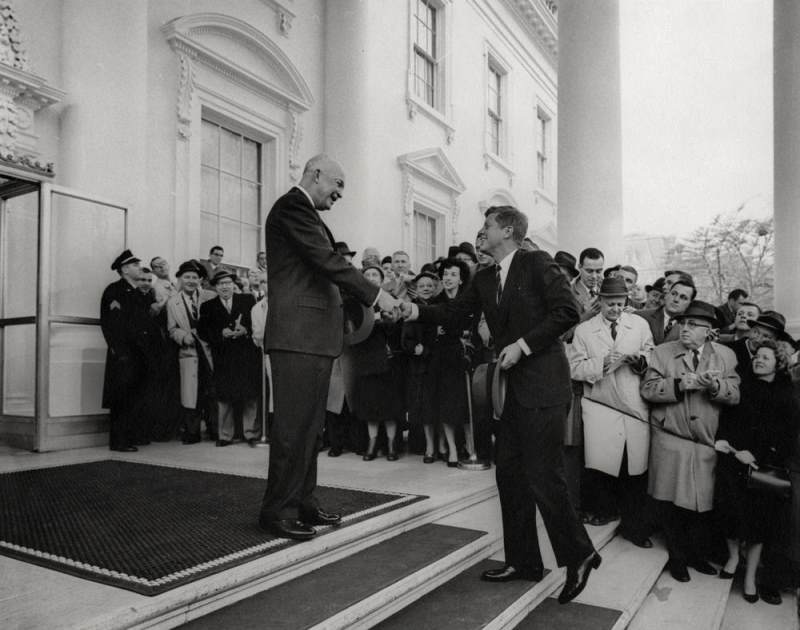


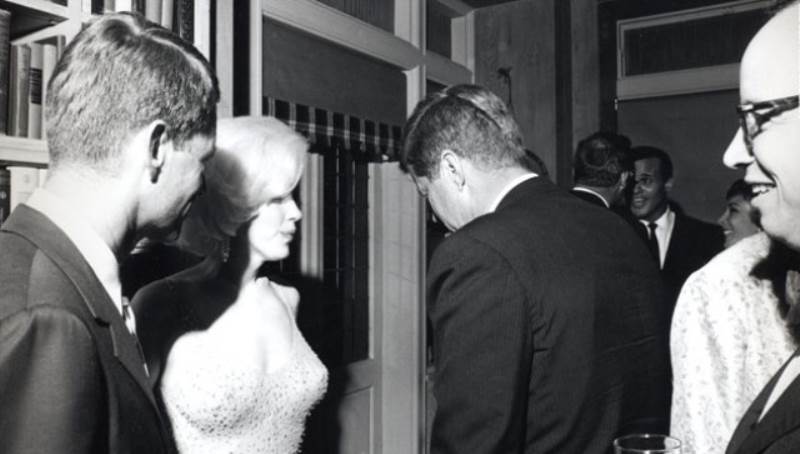


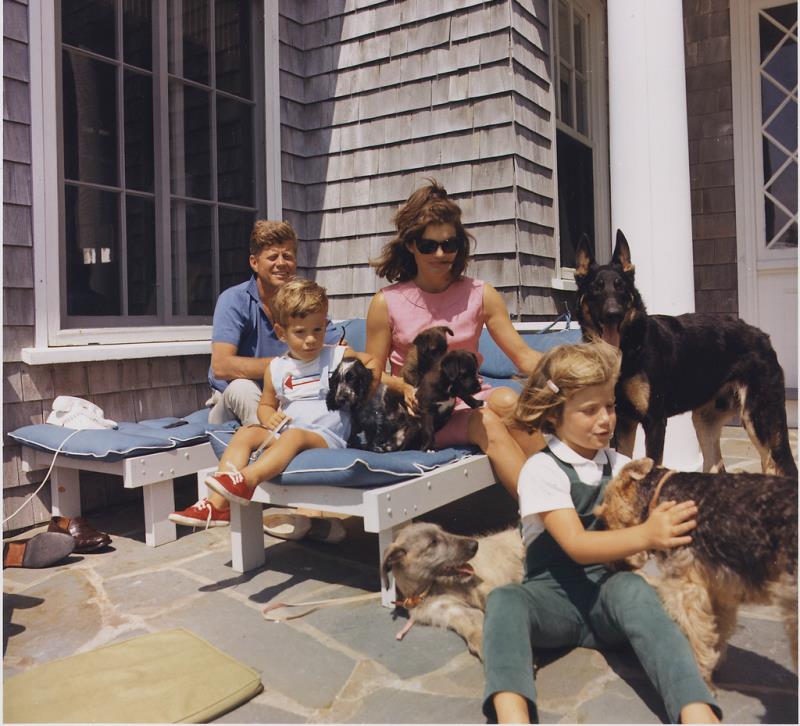
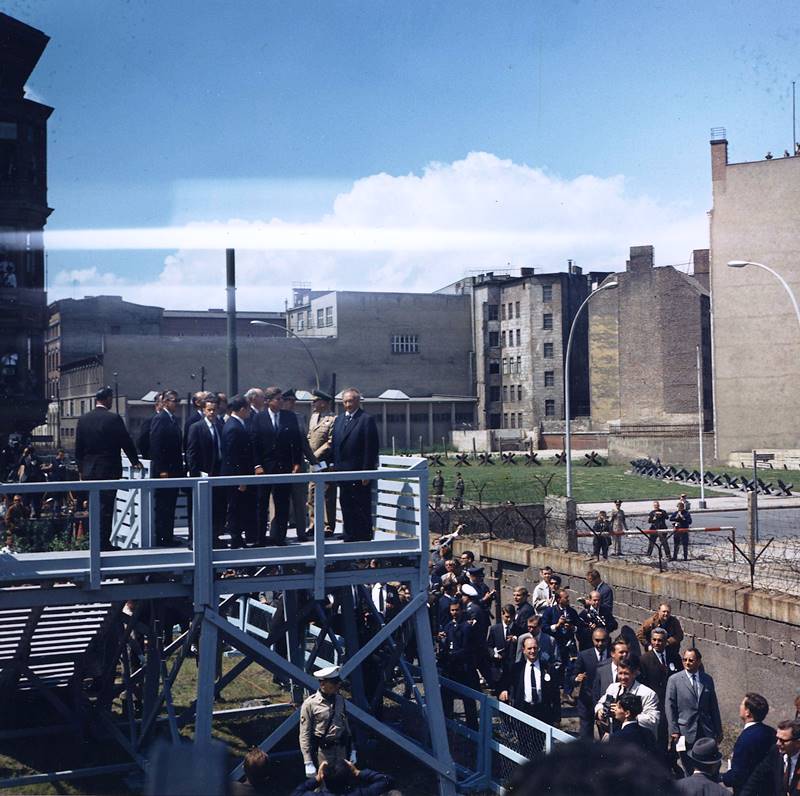
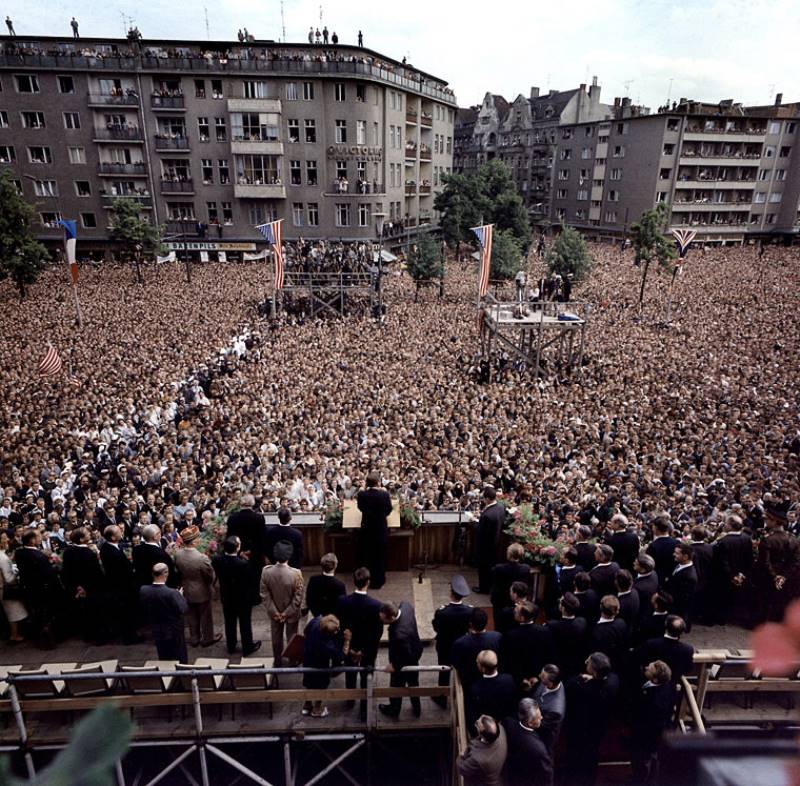
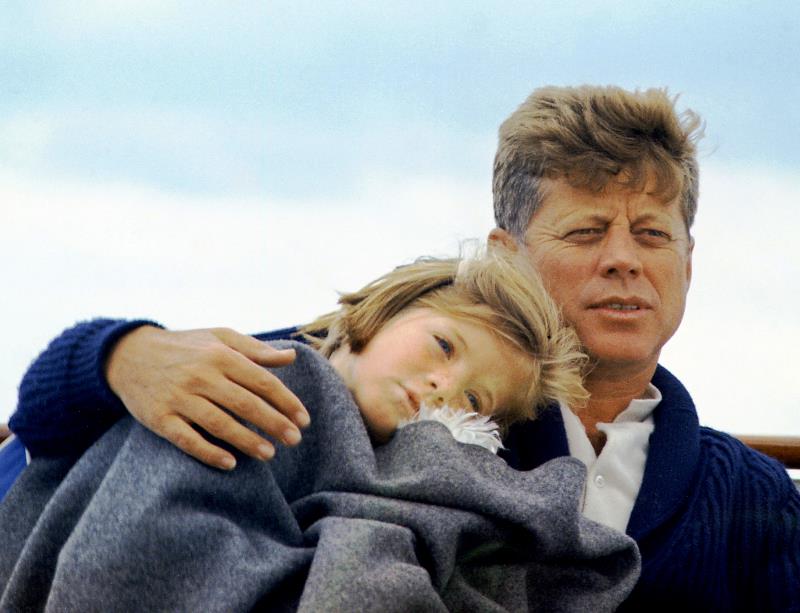




And if you liked this post, be sure to check out these popular posts:
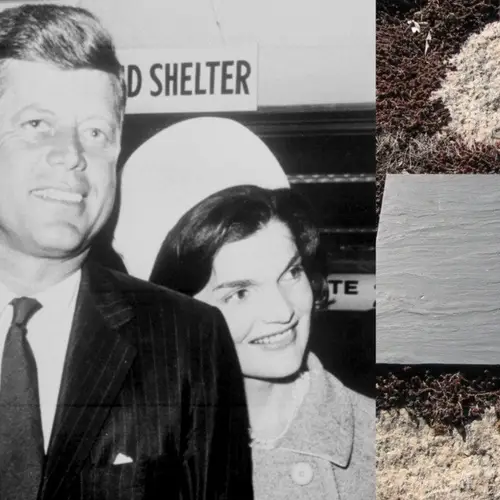
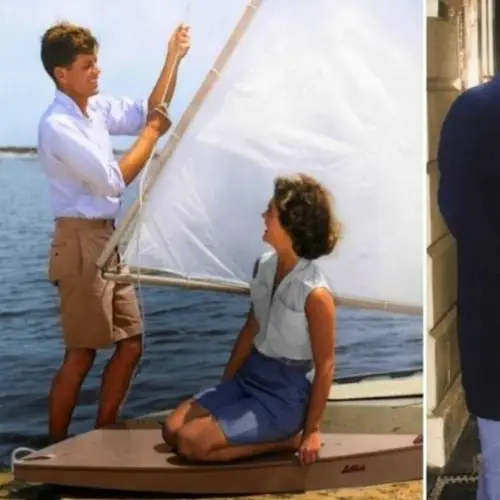
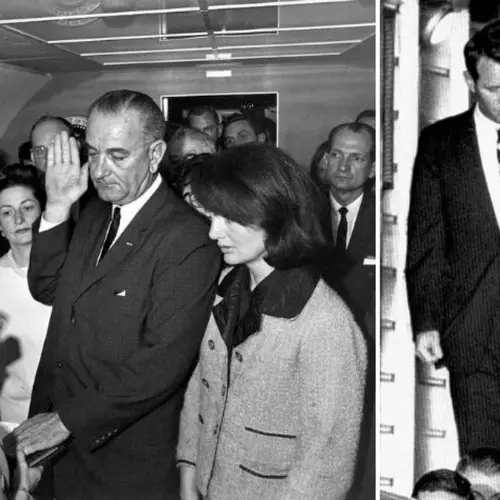


John F. Kennedy's Privileged Early Life
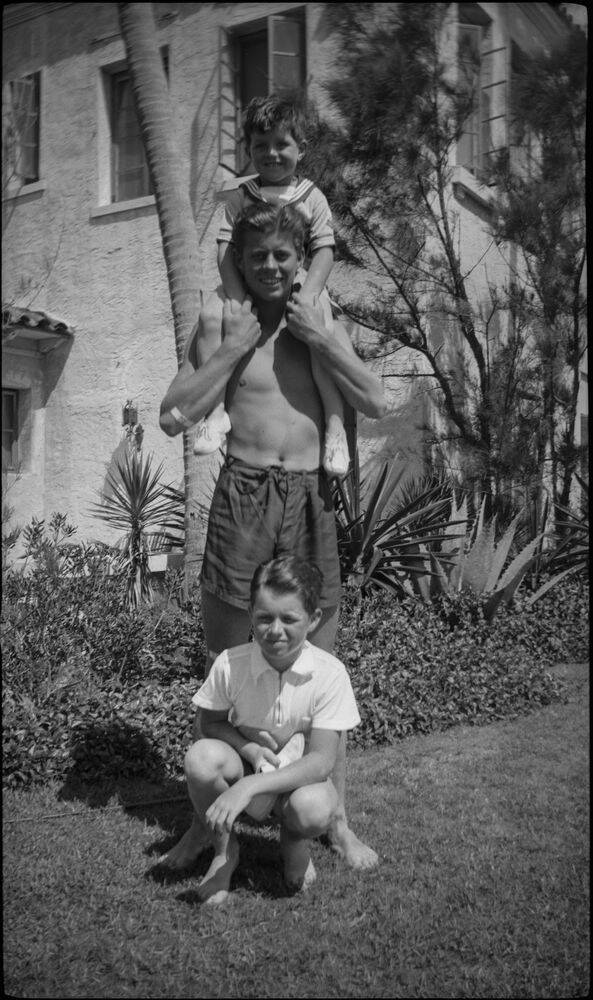
John F. "Jack" Kennedy was born on May 29, 1917, to Joseph and Rose Kennedy, the second of their nine children. The Kennedy family was wealthy, and Jack enjoyed a privileged childhood of private schools, summer homes, and luxurious vacations. According to the Miller Center, he once claimed that all he knew of the Great Depression came from books.
But Kennedy also faced hardship early on — he was frequently ill during his childhood with everything from the common cold to scarlet fever, and he was later diagnosed with an endocrine disorder known as Addison's disease.
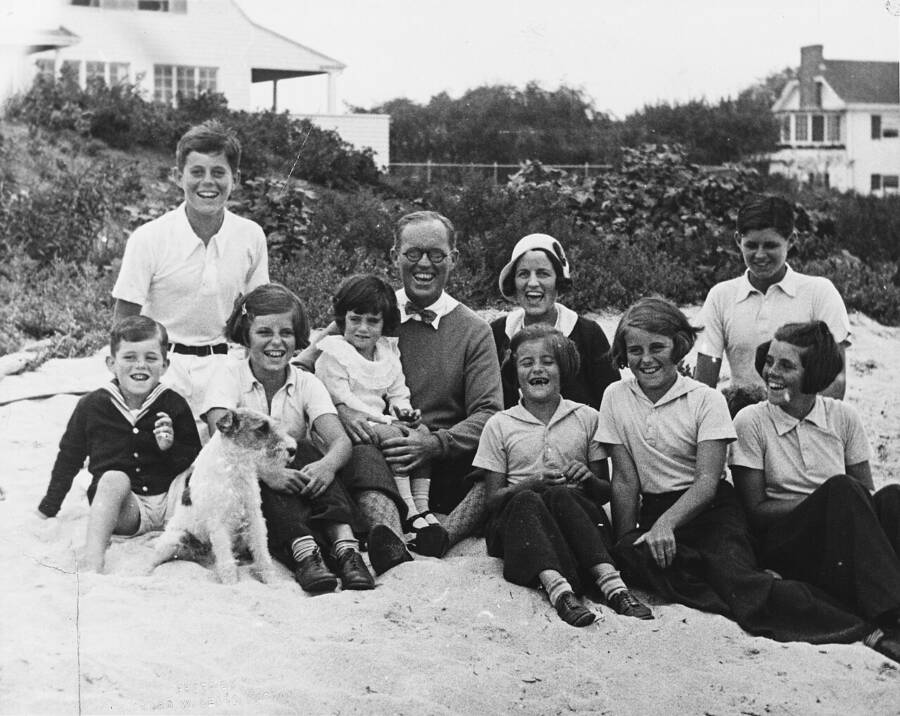
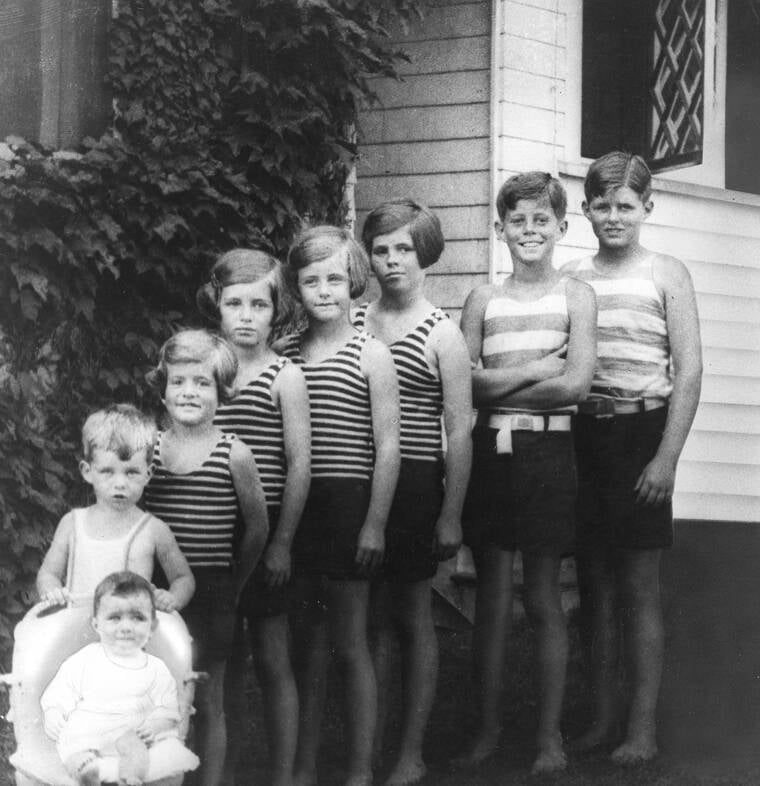
John F. Kennedy Presidential Library and MuseumThe Kennedy family at Hyannis Port, Massachusetts in 1931.
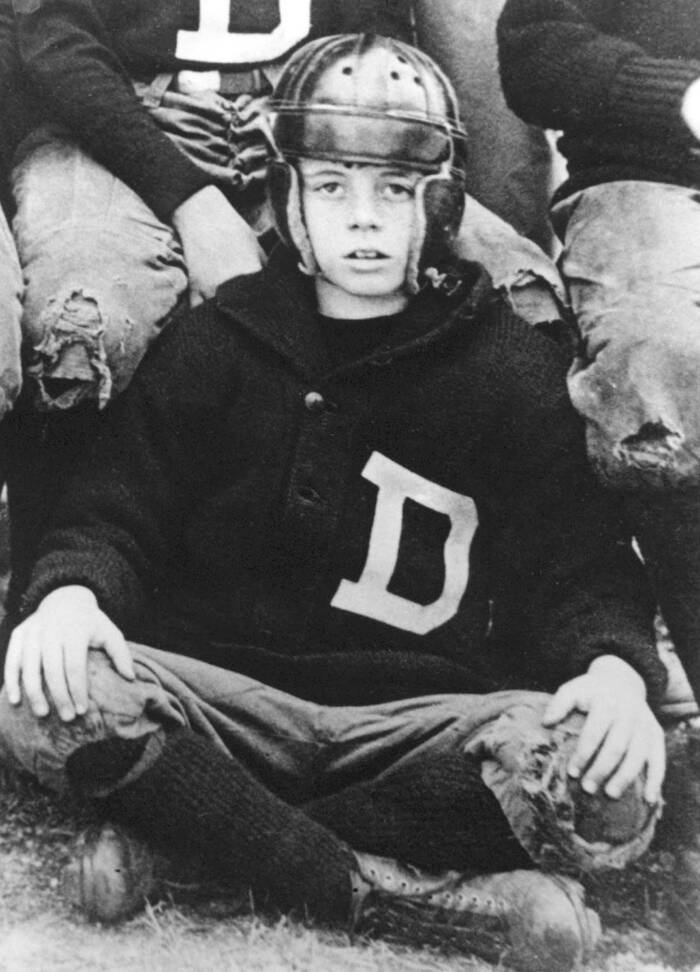
Though his bouts of illness meant that Kennedy frequently missed school, he nevertheless enrolled at Harvard University in 1936.
While there, his father was appointed as the ambassador to Great Britain, and Kennedy later wrote his senior thesis on why Britain had been unprepared for the start of World War II. It was later published as a successful book, Why England Slept.
Then, like many young men of his generation, Jack Kennedy enlisted to fight in the war. And here his fate was decided. During the war, Jack's older brother, Joe Jr., whom their father had always wanted to be president, was killed. Meanwhile, Jack not only survived the war, but emerged as a war hero.
When Jack Kennedy returned home, he inherited his father's ambition. And over the next decade, he'd enjoy a meteoric political rise to the presidency.
The Highs And Lows Of John F. Kennedy's 'Camelot' Presidency
In 1946, bolstered by his youth, good looks, and his father's fortune, John F. Kennedy won a seat in Congress. After serving three terms, he ran for the U.S. Senate in 1956 and won. Then, in 1960, he successfully challenged Richard Nixon, the sitting vice president — and was elected that November as the nation's first Catholic president. Kennedy was just 43 years old.
But his presidency had a rocky start. In April 1961, Kennedy authorized a mission to overthrow Cuban leader Fidel Castro, but the subsequent Bay of Pigs invasion was a complete failure. Then, during the Cuban Missile crisis in October 1962, it seemed that tensions between the United States and the Soviet Union might tip into nuclear war before the two nations came to an agreement. Meanwhile, many of John F. Kennedy's domestic policies died in Congress, and the conflict in Vietnam had begun to intensify.
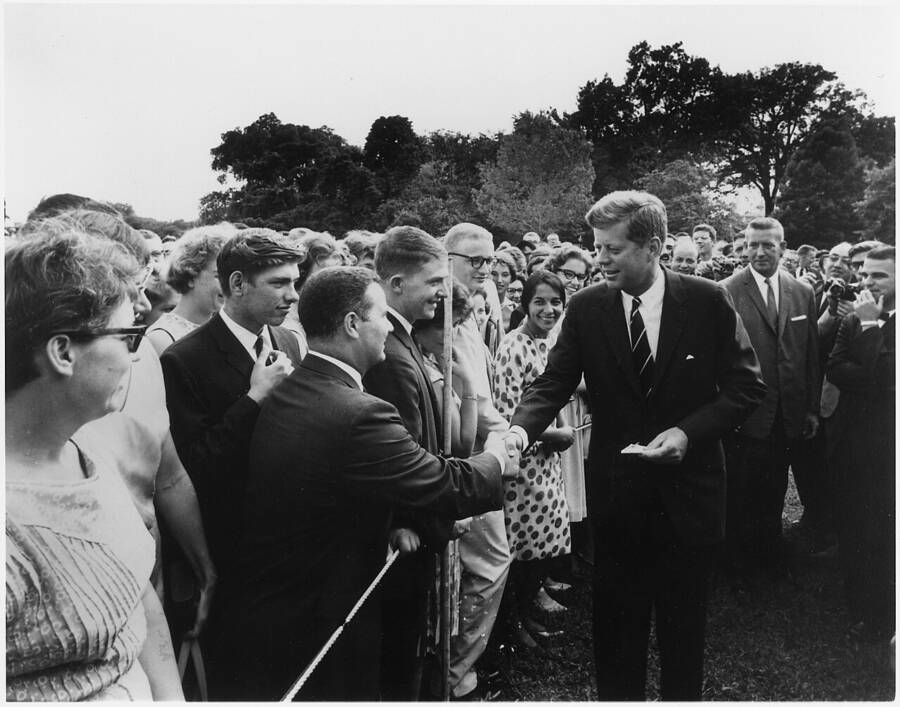
National Archives and Records AdministrationJohn F. Kennedy greeting Peace Corps volunteers. The creation of the Peace Corps was one of his major accomplishments.
That said, Kennedy was a hugely inspirational figure in the United States — and abroad. During Kennedy's inauguration, he had famously asked Americans to "Ask not what your country can do for you; ask what you can do for your country." He created the Peace Corps, called for man to go to the moon, and, though slow to react to the growing anger of the civil rights movement, declared his intention to pass a nation-changing civil rights bill.
Meanwhile, his wife, Jackie, and their children, Caroline and John Jr., brought a feeling of youth, glamour, and modernity to the White House. Jackie Kennedy would famously call the Kennedy years "Camelot."
Sadly, Camelot would come to a tragic end.
The Assassination Of John F. Kennedy — And His Legacy Today
By Nov. 22, 1963, John F. Kennedy had begun to lay the groundwork for his second term in office. Though he had not yet announced his intention to run again, he had spent the autumn speaking around the country, and the John F. Kennedy Library writes that he went to Dallas to both ease interparty tensions and to bolster his upcoming reelection.
But things would go terribly wrong.
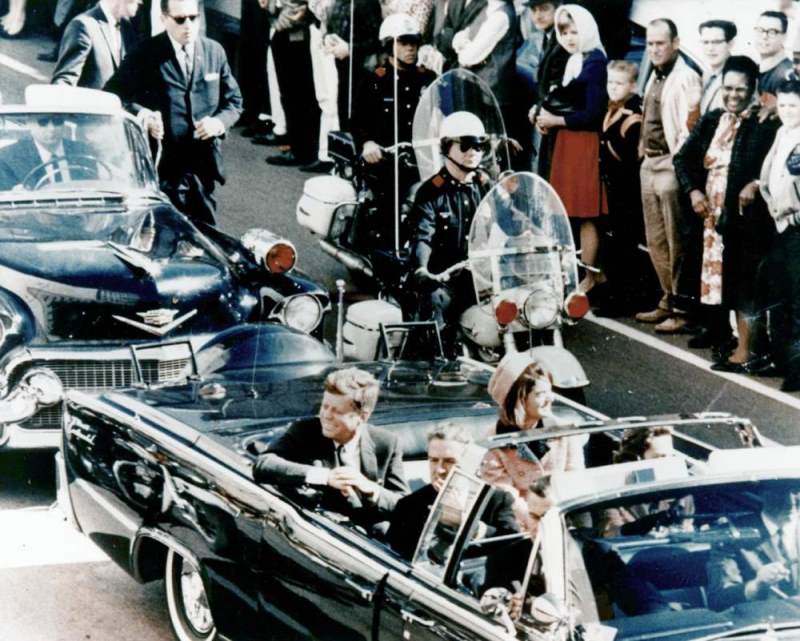
After arriving in Dallas that morning, Jack and Jackie Kennedy joined Texas Governor John Connally and his wife, Nellie, for a drive from the airport to the Dallas Trade Mart, where the president was supposed to speak. At 12:30 p.m., however, as the car turned onto Dealey Plaza, three shots rang out.
John F. Kennedy was hit twice; John Connally was shot once. The governor was badly wounded, but Kennedy was fatally injured after being shot in the neck and the head. Though he was rushed to Parkland Memorial Hospital, the president was declared dead at 1 p.m., at the age of 46.
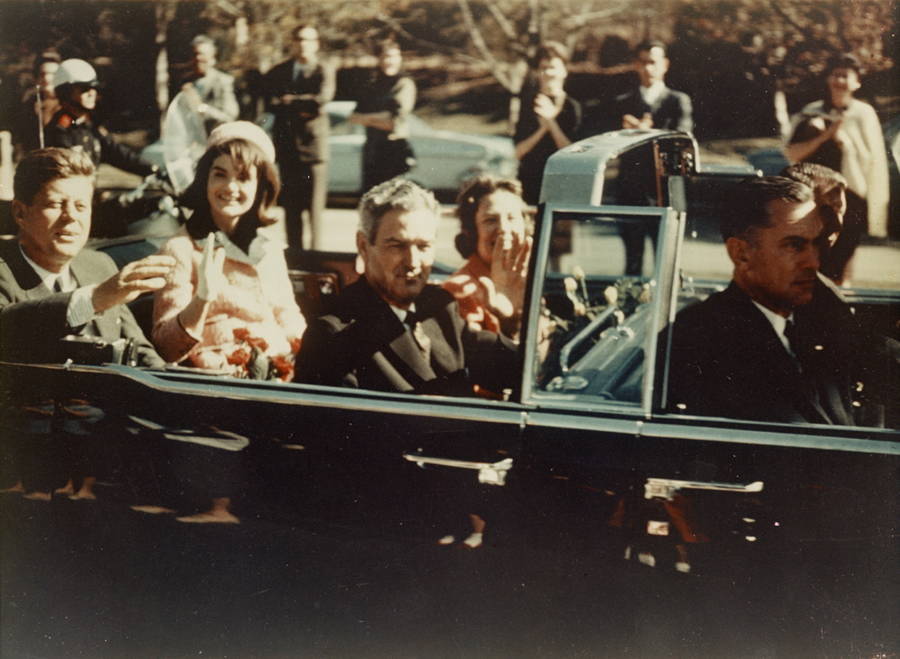
National Archives and Records AdministrationPresident Kennedy, in the moments before his assassination on Nov. 22, 1963.
In the aftermath, a 24-year-old man named Lee Harvey Oswald was arrested and accused of killing the president. Though some believe that Oswald had help — or that he was unfairly framed — the Warren Commission later found that Oswald had acted alone. However, Oswald was shot and killed two days later by nightclub owner Jack Ruby, so many questions about Oswald and his possible motives remain to this day.
More than 50 years later, John F. Kennedy is primarily known for the manner of his death. His assassination marked the end of Camelot, and the years that followed would be defined by assassinations, war, and violence.
But Kennedy was more than just his death. In the gallery above, look through photos of John F. Kennedy's life, from his privileged upbringing, to his political rise, to the glamorous days of the Kennedy White House.
After looking through these photos of John F. Kennedy, discover the tragic story of the assassination of Robert F. Kennedy, JFK's brother. Or learn about Dorothy Kilgallen, the journalist who mysteriously died while investigating the JFK assassination.