On the third day of his trial for the murder of seven-year-old Anna Bachmeier, Klaus Grabowski was shot in the back six times by Anna's mother, Marianne, in a German courtroom.
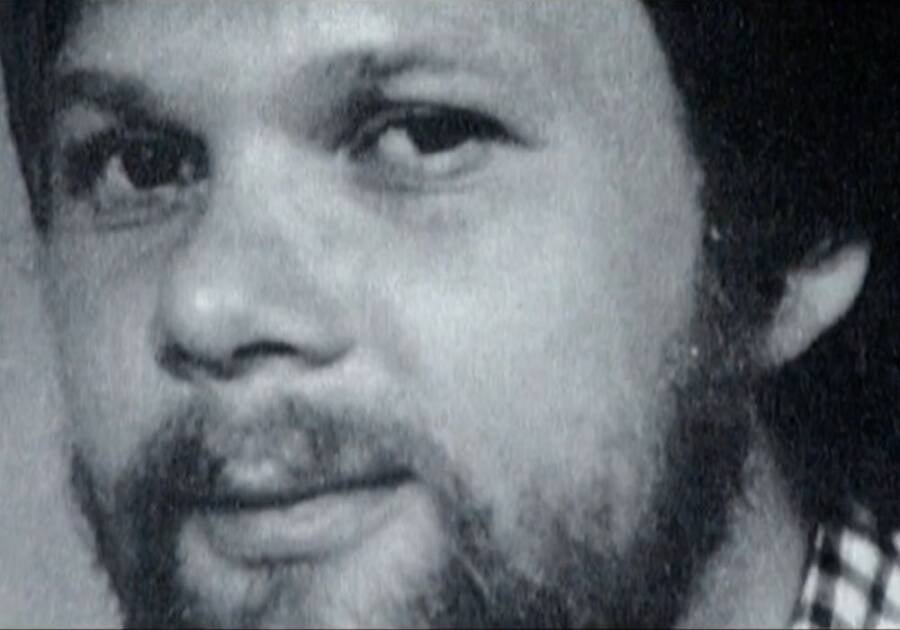
Kabel Eins Doku/YouTubeKlaus Grabowski was a 35-year-old butcher from West Germany who brutally murdered seven-year-old Anna Bachmeier.
On March 6, 1981, Klaus Grabowski sat in a courtroom in Lübeck, West Germany, awaiting judgment for the murder of Anna Bachmeier. A year earlier, he’d sexually assaulted the seven-year-old girl in his apartment before strangling her and dumping her body along a nearby canal.
Grabowski’s lawyers built their defense around hormones and psychological instability. They argued that his voluntary castration in 1976 had left him unbalanced and that his crime was the product of chemical forces beyond his control.
But on the third day of his trial, the case took a turn that no one in the room could have predicted. Seven shots rang out, and Klaus Grabowski dropped dead.
His killer was Marianne Bachmeier, Anna’s mother. She had smuggled a pistol into the courtroom to avenge her daughter’s death — and she had no remorse for her actions. As she would later state, “I did it for you, Anna.”
Klaus Grabowski’s Violent Past
Klaus Grabowski, a butcher from Lübeck, was known to the police long before the murder of Anna Bachmeier. In 1973, the same year Anna was born, he was sentenced to probation for trying to strangle a six-year-old girl. Two years later, he sexually abused two other children.
However, in 1976, Grabowski was released from custody after agreeing to be castrated. To some, this was proof that he was trying to control himself. It was a radical measure, but an effective one — or, at least, it seemed to be.
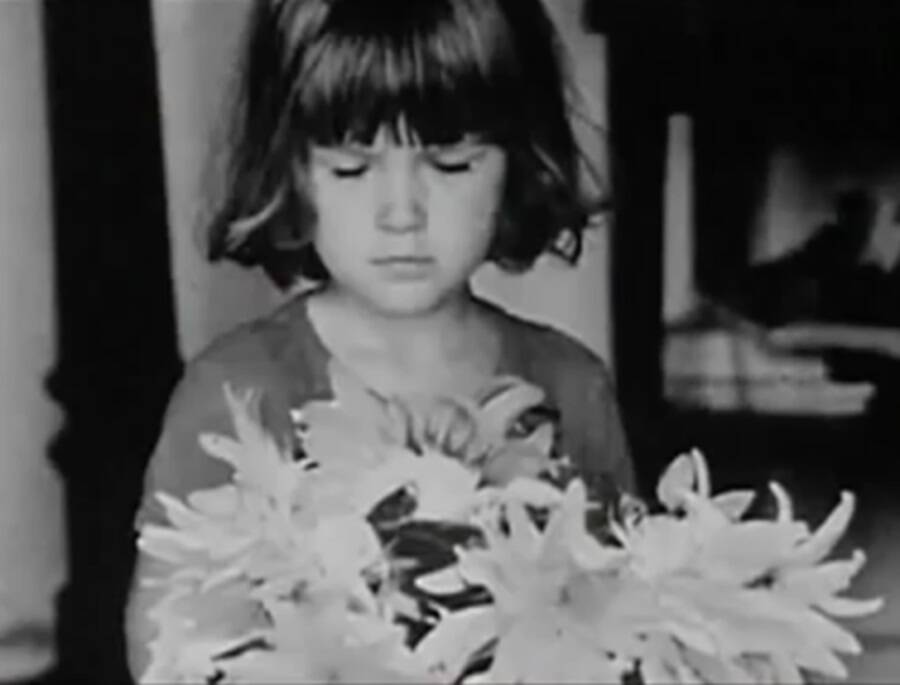
Find A GraveAnna Bachmeier was just seven years old when she was murdered by Klaus Grabowski.
But Grabowski then began hormone treatment to reverse some of the impacts of the castration, claiming that he was experiencing physical side effects. He was supposed to be receiving psychiatric care at the same time, but he reportedly failed to do so.
Then, in May 1980, Klaus Grabowski did the unthinkable.
The Murder Of Anna Bachmeier
Klaus Grabowski knew of Anna Bachmeier prior to his deadly attack on the young girl. She lived nearby and had previously visited his apartment to play with his cats.
On May 5, 1980, seven-year-old Anna had an argument with her mother, Marianne Bachmeier, and decided to skip school. She ended up at Grabowski’s apartment — and she wouldn’t leave alive.
Grabowski reportedly held Anna captive for hours while sexually assaulting her. He then strangled her with a pair of his fiancée’s tights, tied her up, stuffed her body into a box, and left it on the shore of a local canal.
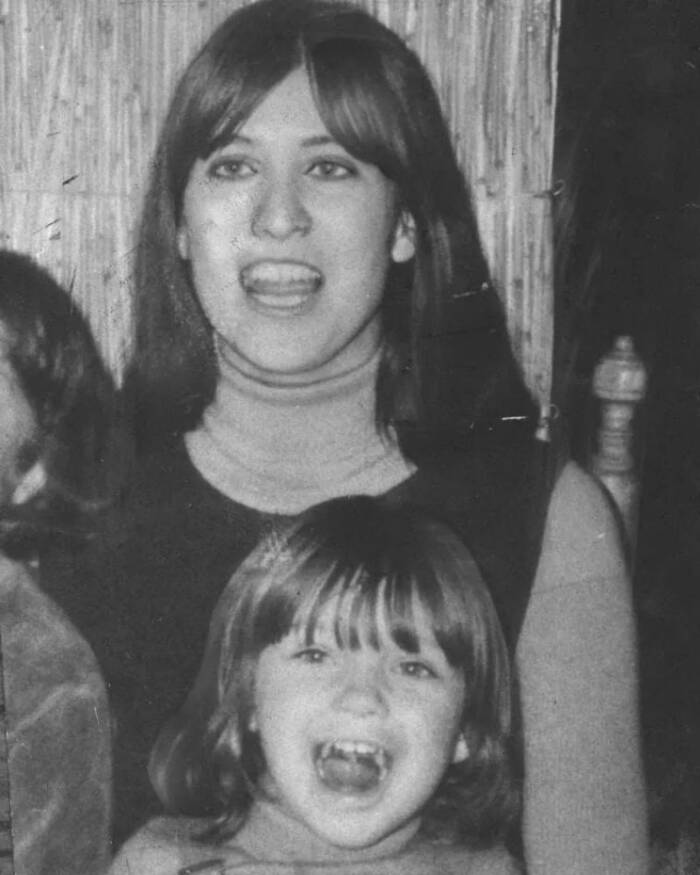
Kabel Eins Doku/YouTubeMarianne Bachmeier with her daughter, Anna.
When Grabowski’s fiancée discovered what he’d done, she turned him in to the police. He confessed to killing young Anna, but his version of events was much different. He claimed that Anna had tried to extort money from him and threatened to tell her mother that he’d molested her if he didn’t hand it over. He was worried that he’d go back to jail, so he killed Anna instead.
This was Klaus Grabowski’s attempt to shift blame onto a child who could no longer speak for herself.
His trial began on March 4, 1981 — but he would be dead before it came to a close.
The Death Of Klaus Grabowski In A German Courtroom
By the time Klaus Grabowski went to trial, he had already admitted to killing Anna Bachmeier. Prosecutors wanted to discover why.
Grabowski’s attorneys centered their defense on his medical history. They argued that hormone therapy administered after his voluntary castration had impaired his judgment. If the treatment had destabilized him, they suggested, then the crime was not solely the act of a calculating predator but of a man who was chemically unbalanced.
The argument became a national debate in West Germany. If voluntary castration was meant to prevent repeat sexual violence, how had Grabowski reoffended?
For Anna’s mother, Marianne Bachmeier, the discussion felt detached from the reality of her daughter’s death. She sat in the courtroom and listened as Grabowski prepared to address the court in his own defense.
He never got the chance.
On the third day of the trial, Bachmeier rose from her seat in the gallery. From beneath a green coat, she pulled a .22-caliber Beretta pistol and fired seven shots at the defendant’s table.
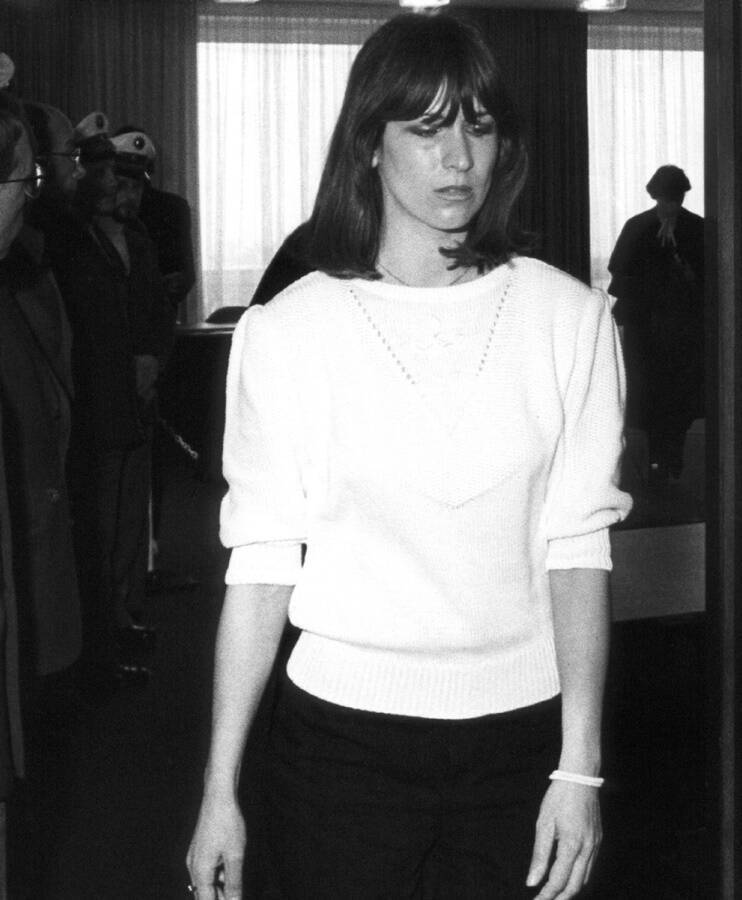
Wulf Pfeiffer/picture alliance via Getty ImagesMarianne Bachmeier leaves the courtroom after being sentenced to six years in prison for killing Klaus Grabowski.
Six bullets struck Grabowski. He immediately collapsed onto the floor and died. In that moment, Klaus Grabowski became an anomaly in criminal history: He was a confessed murderer who was executed before his verdict could even be read.
As reported by the United Press International at the time, Bachmeier told Judge Guenther Kroeger in the immediate aftermath, “I wanted to kill him… I wanted to shoot him in the face but I shot him in the back… I hope he’s dead.”
A police officer who was present at the scene also claimed that he heard Bachmeier say, “Unfortunately I only got the pig from behind.”
Later, during a court-ordered handwriting test, she wrote, “I did it for you, Anna,” and drew seven hearts: one for each year of her daughter’s short life.
The Aftermath Of Marianne Bachmeier’s Revenge Killing
Klaus Grabowski’s death did not bring the legal proceedings surrounding Anna Bachmeier’s murder to an end. Marianne Bachmeier was arrested at the scene and later convicted of premeditated manslaughter.
Her actions split public opinion across Germany and around the world. To some, she was a grieving mother who had taken justice into her own hands. To others, she was a vigilante who had crossed a dangerous line and undermined the law.
After serving three years of her six-year sentence, Bachmeier moved to Nigeria and then Sicily before returning to a newly unified Germany. There, her own life would soon come to an untimely end, too. She died from pancreatic cancer in 1996 at age 46 and was buried next to Anna. She never expressed remorse for killing Klaus Grabowski.
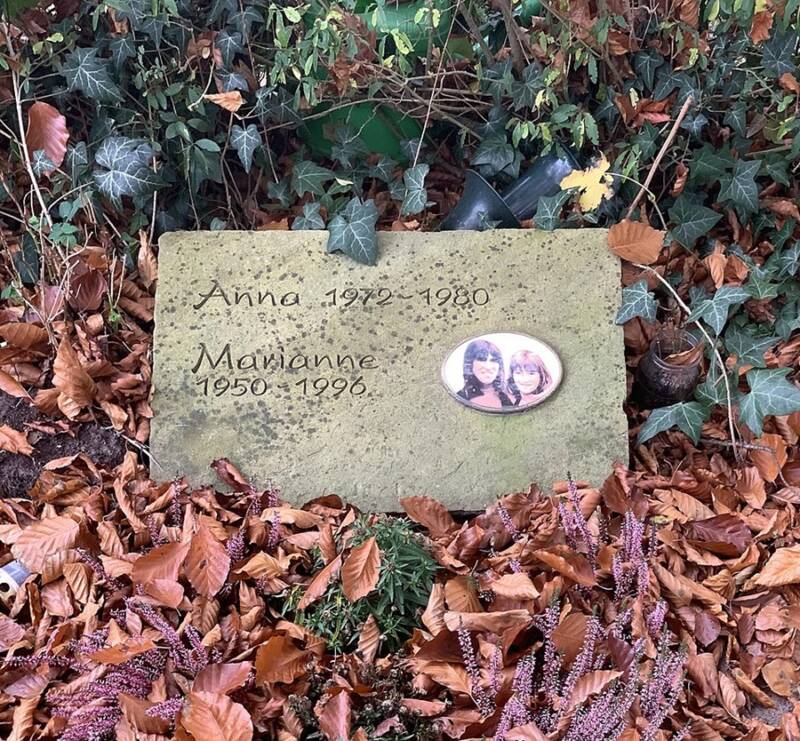
Gmofhl/Wikimedia CommonsMarianne and Anna Bachmeier are buried side-by-side in Lübeck.
Even decades later, Grabowski’s story demonstrates the dangers posed by repeat offenders. Years before young Anna’s murder, he had already been convicted of sexual abuse and strangling a young girl. His voluntary castration and subsequent hormone treatments did little to stop his violent impulses, and his defense at trial would later frame these medical interventions as the cause of his actions.
In the end, Grabowski never truly answered for his crimes in court. While he confessed to Anna’s murder, he also tried to shift blame onto the child he had victimized.
Today, Klaus Grabowski’s name is rarely mentioned on its own. It is almost always tied to the little girl whose life he took — and the mother who got her public revenge.
After reading about Klaus Grabowski, go inside the story of Gary Plauché, the father who killed his son’s abuser on live TV. Then, learn about these real-life vigilantes who took revenge into their own hands.