The Inca were able to preserve potatoes for astonishingly long periods thanks to a groundbreaking method of exposing them to nighttime frosts followed by direct Sun in order to create a dehydrated product known as a "chuño."

L.M. ValdezPotatoes were freeze-dried by the Inca to make them easier to transport and store throughout the empire.
While searching a centuries-old Inca storage room in coastal Peru, archaeologists uncovered a pair of astonishingly well-preserved potatoes. In fact, these potatoes stayed intact despite being harvested a whopping 500 years ago.
Although archaeologists have long known that the Inca freeze-dried potatoes to create a snack known as chuño, this is only the second time that these astonishing artifacts have ever been discovered. Now, they could teach us more than ever before about the incredible Inca farming practices that were in place in the pre-Hispanic period.
The Discovery Of 500-Year-Old Freeze-Dried Inca Potatoes In Peru
Archaeologists found the potatoes in 2024 at Tambo Viejo, which served as a center of Inca life in the Acarí Valley, an arid site on the southwestern coast of Peru. The team had been working there for several years before making this exciting find.
Inside one of the center’s storage rooms, archaeologists discovered a clay pot that had sunk into the dirt floor, with its top half gone. After digging out the dirt that had settled in the pot, the two potatoes were lying at the bottom.
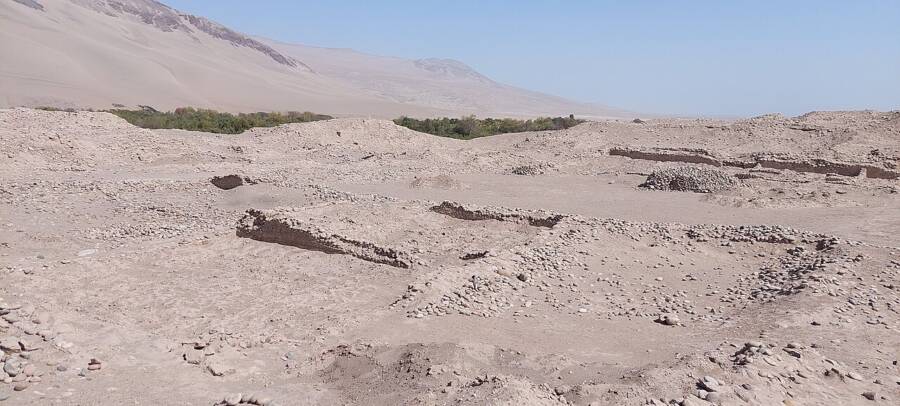
Wikimedia CommonsThe discovery was made in Tambo Viejo, an arid valley on the southwestern coast of Peru.
“Almost at the base of the vessel, the two samples of freeze-dried potatoes were found,” lead researcher Lidio Valdez told Live Science. “They showed me without knowing what they were, and right away I said: chuño!”
The potatoes were found next to a piece of Inca pottery and a damaged spindle whorl. These everyday Inca objects indicated to Valdez that the potatoes were truly made by the Inca, and likely dated back to the 15th or 16th century.
The team published their findings on May 1 in the Journal of Field Archaeology. As they describe, chuño is a freeze-dried product made by alternately exposing the potatoes to frost at night and then direct sunlight the following day — repeatedly, until all their moisture has been drawn out. This technique leaves a light, preserved vegetable that can be stored for years without rot.
Even though this method of freeze-drying was an Inca practice, Valdez said that the technique was likely discovered before the empire came to power in the 15th century, perhaps after potatoes were accidentally exposed to frost and became dried out at some point. Meanwhile, some believe that this practice was adapted from an earlier Aztec method.
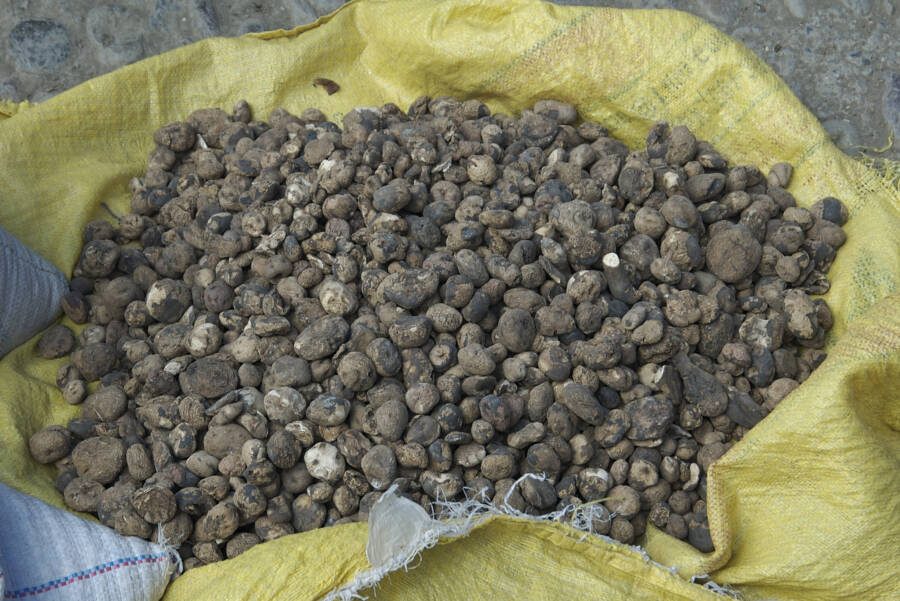
Wikimedia CommonsChuño is made from a freeze-drying technique of alternately exposing potatoes to harsh frost and sunlight.
Furthermore, this freeze-drying technique only works at high elevations, above roughly 11,800 feet, where hard nighttime frost occurs regularly. Because potatoes are around 80 percent water, they can rot within days while at lower and warmer elevations, which makes them difficult to store long-term.
However, the Inca found a way around this — and that wasn’t the only groundbreaking agricultural practice that they pioneered centuries ago.
What This Rare Chuño Discovery Tells Researchers About The Incas
Because freeze-drying can only occur in the mountains, the team concluded that the newly-uncovered chuño could not have been made at the coastal valley site where they were found, but were instead transported there from the mountains.
Valdez said that these potatoes likely traveled down to Tambo Viejo from the highlands on a llama caravan following an Inca road network. The samples were brought across miles and miles to feed people living in the Inca Empire, which had spread from the Andes by this point. This long journey was made more manageable by the fact that the potatoes became lighter in the freeze-drying process, which made them easier to transport.
Once the potatoes arrived at the Tambo Viejo site, its dry environment contributed to their preservation (this same environment also helped preserve mummified llamas found by Valdez at the site a few years ago).
This is concrete evidence that the Inca Empire had a productive food network that prioritized preservation and storage. Potatoes especially were very valuable to the Inca, as they are native to the Andes and delivered an assortment of important nutrients.
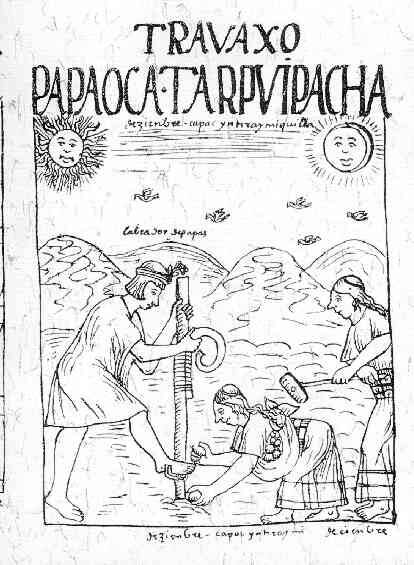
Wikimedia CommonsA 17th-century illustration of Inca farmers at work.
In the study, Valdez emphasized that the freeze-dried potatoes could be safely eaten even after long periods of time in storage inside the empire’s warehouses. According to Valdez, chuño production was a “savvy strategy” that prevented “the loss of important food” and created “food reserves that were used to support imperial projects.”
Valdez also told Live Science that the Inca used the same freeze-drying technique to preserve meat, creating “charki,” which is where the English work “jerky” comes from.
Given that this is only the second time archaeologists have found concrete evidence of chuño at an Inca site, the team is excited about the doors that this discovery could open for future research. Not many Inca sites along the coast of Peru have been systematically investigated, meaning that there could be many other preserved foods out there, just waiting to be found.
As Valdez said, “We still have so much to learn from the people of the past.”
After reading about the 500-year-old Inca potatoes found in Peru, discover who built Machu Picchu. Then, learn about the Inca child sacrifices left on top of a volcano.