John Dillinger’s Prison Escape
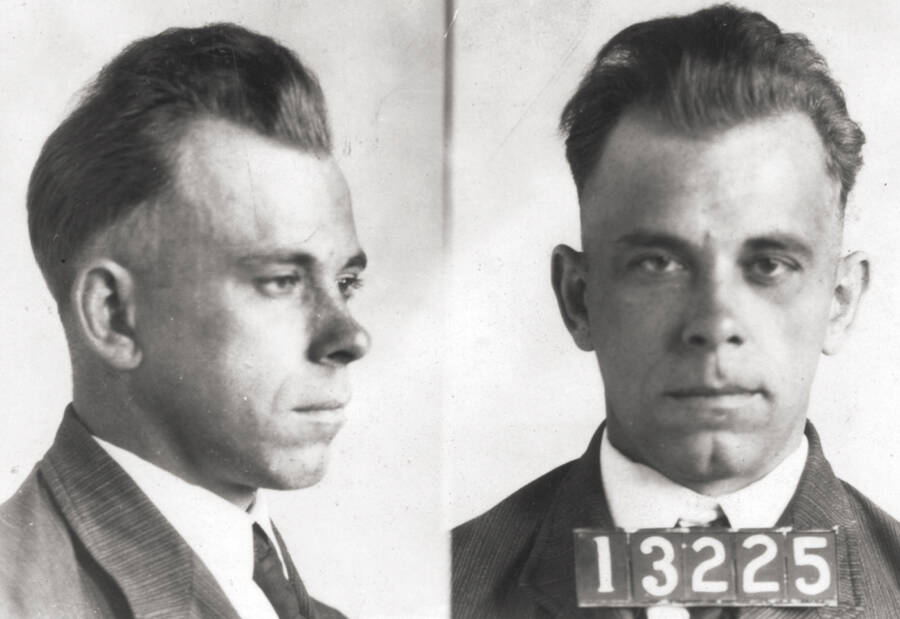
FBIJohn Dillinger robbed dozens of banks before he was killed in Chicago.
His name alone sparks imagery of Tommy Guns, trench coats, and the heyday of organized crime. Born in Indianapolis in 1903, John Dillinger would certainly earn that association during the Great Depression. Before he died in 1934, Dillinger had robbed 24 banks and been imprisoned several times — and once had ingeniously escaped.
A high school dropout, Dillinger began his life of crime by shoplifting and stealing cars. He served in the Navy before being discharged and married a 16-year-old in 1924. Realizing he couldn’t provide for her, he robbed a store owner and served nine years in prison. Divorced upon his release on May 10, 1933, Dillinger began robbing banks for a living.
The 29-year-old formed a crew with Paul Parker, William Shaw, and Noble Claycomb and robbed upwards of $30,000 from various banks before being arrested in Ohio. While Dillinger provided his men with a blueprint to escape and break him out, his most infamous jailbreak came in 1934.
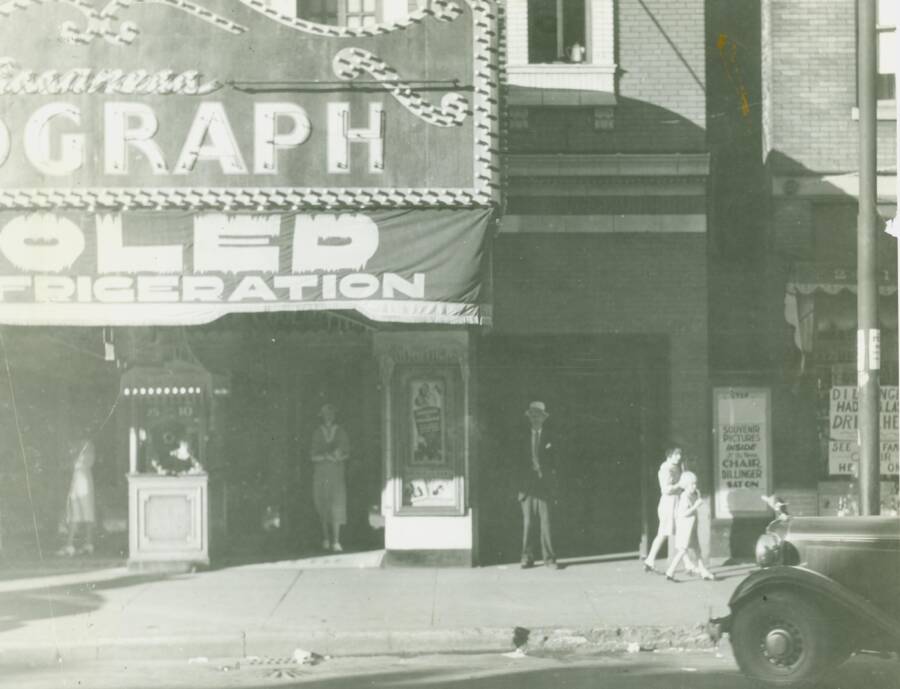
FBIThe Biographer Theater in Chicago, Illinois, where FBI agents gunned John Dillinger down on July 22, 1934.
By shooting a prison guard and breaking Dillinger out of prison, the men had committed an interstate felony as soon as they crossed the border into Indiana. That led FBI director J. Edgar Hoover to wield the agency at Dillinger — who was arrested in Tucson, Arizona in January 1934 and extradited to Crown Point, Indiana.
“I know he’s a bad baby and a jailbreaker but I can handle him,” said Sheriff Lillian Holley.
Sheriff Holley was confident that Crown Point jail would keep Dillinger behind bars and even boasted that it was escape-proof. But, rather than await trial for the murder of a police officer, Dillinger spent his time whittling a wooden gun — which he used to fool the guards into opening his cell with on March 3, 1934.
After grabbing two machine guns, he imprisoned the guards themselves and fled Crown Point in Sheriff Holley’s car. With a nationwide manhunt in place as a result, Dillinger would be located and gunned down within months. Unfortunately for Sheriff Holley, the bank robber’s death on July 22 robbed him of revenge.
“If I ever see John Dillinger, I’ll shoot him with my own pistol,” he said. “This is too ridiculous to talk about.”
Frank Abagnale Jr.’s Prison Con
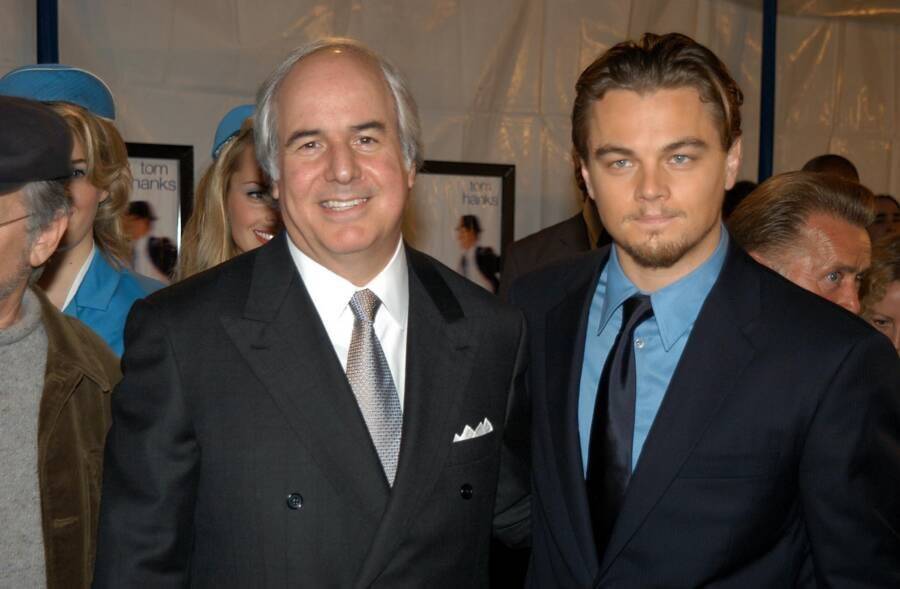
Jeff Kravitz/FilmMagic, Inc./Getty ImagesFrank Abagnale Jr. and Leonardo DiCaprio at the premiere of Catch Me If You Can in 2002.
As chronicled in Steven Spielberg’s 2002 film Catch Me If You Can, Frank Abagnale spent his youth and early adulthood as a check forger. He fooled Pan American Airlines into thinking him a pilot, spent years posing as a Brigham Young University professor, and cashed more than $2 million in bad checks.
Ultimately captured in Montpellier, France in 1969, Abagnale spent six months in a regional prison and another six months in Sweden before being deported to the United States. He was sentenced to 12 years in the Federal Detention Center in Atlanta, Georgia. However, the natural-born conman would escape in 1971.
The U.S. Marshal who transported Abagnale to the facility had forgotten his detention commitment papers. This came at a time when civil rights groups and congressional committees heavily scrutinized prisons. Abagnale used the lack of official inmate documentation to his advantage.
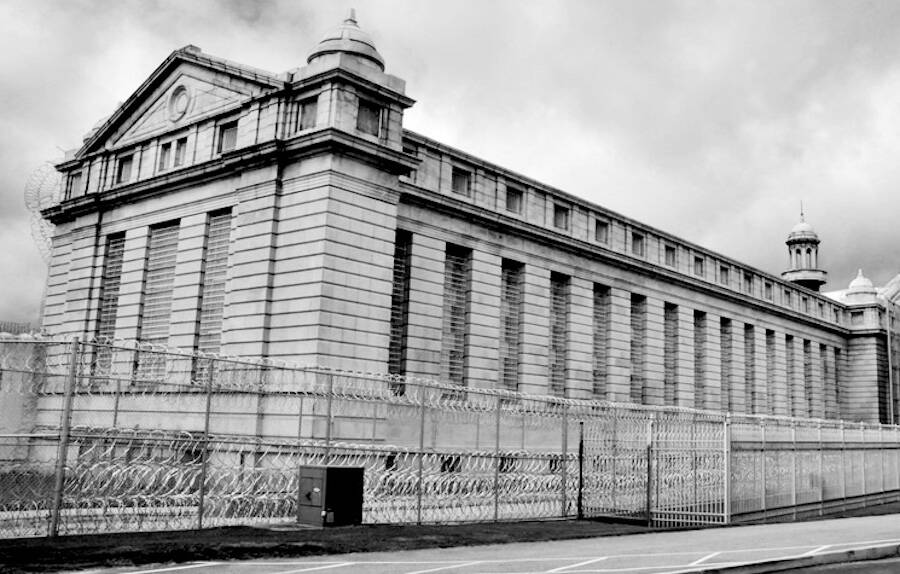
Wikimedia CommonsThe Federal Detention Center in Atlanta, Georgia.
Realizing that the guards were already considering the possibility that he might be a prison inspector under contract by the FBI, Abagnale got to work. Permitted to use the phone, he contacted his friend Jean Sebring in the outside world to forge a fake business card that would give Abagnale the credentials he needed.
Sebring purportedly used a card given to her by FBI Agent Jean Shea as the template, altering it to replace Shea’s contact information with Abagnale’s. With the conman receiving that card in his prison mail, he finally revealed himself as a prison inspector to the guards — who were delighted to find their suspicion confirmed.
With the card in hand and enough trust fostered in the guards, Abagnale claimed he needed to meet with an associate outside the prison walls and needed to borrow a car. Once they provided him with one, he was gone. He was ultimately arrested in Washington, D.C., two months later and re-imprisoned for four years.
While Abagnale’s story was famously chronicled to Hollywood fanfare in Catch Me If You Can, journalist Alan C. Logan believes it’s too unsubstantiated to hold up to scrutiny. However, others maintain that entities like the Federal Detention Center would prefer to have their slip-ups considered to be hoaxes rather than admit to their incompetence.