Hugh Glass, The Man Whose Comrades Abandoned Him After He Got Mauled By A Bear
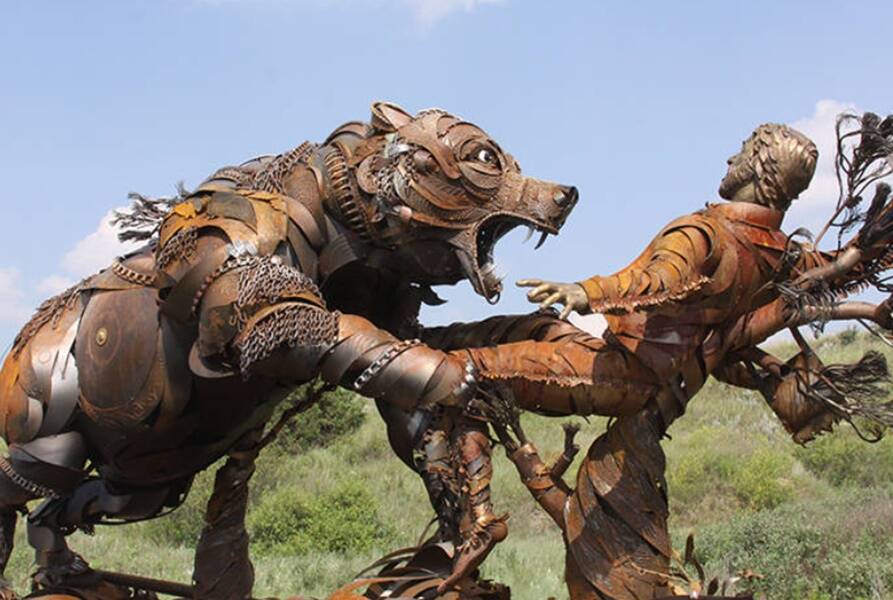
Wikimedia CommonsThe revenge story of Hugh Glass was immortalized in a statue that still stands today.
If you’ve seen the Leonardo DiCaprio film The Revenant, then you already know the incredible story of Hugh Glass, who survived in the wilderness after his mangled body was abandoned in the wilderness by his comrades.
Before he was left for dead, Hugh Glass was already a repeat survivor of unfortunate circumstances. After he was captured by pirates and served under their chief for two years, he managed to escape to the shores of Galveston, Texas. He was captured again by the Pawnee tribe, with whom he lived for several years, and later married a Pawnee woman.
In 1822, Glass joined a rag-tag group of 100 men hired to deal in fur-trading with local Native American tribes. Known as “Ashley’s Hundred,” named so for their commander, General William Henry Ashley, the men trekked up the Missouri River and later toward the west for trading.
After the group arrived at Fort Kiowa in South Dakota, the men split up with Glass’ group heading westward toward the Yellowstone River. There he encountered a giant grizzly bear with her two cubs. The bear charged before Glass could react and mauled his arms and chest within seconds.
Somehow Glass managed to kill the bear but he was left in terrible shape; nobody in his party expected him to survive his gnarly wounds. Yet, they strapped him to a makeshift gurney and hauled him back to camp.
It didn’t take long for the men to realize Hugh Glass had become a burden to their safety. They were approaching Arikara Indian territory, a group of Native Americans hostile to American fur traders, and they needed to get out of there quickly.
A man named Fitzgerald and another young boy were tasked to remain with Glass until he died and bury the body so that the natives wouldn’t get it. Fearing for their own lives, Fitzgerald and the boy decided to leave Glass’ beat-up body. They took all his equipment with them, leaving only a bearskin hide to cover his soon-to-be-dead corpse.
When Glass regained consciousness, he discovered festering wounds all over his body, a broken leg, and his ribs were thrashed so severely that his bones were exposed.
He made out his whereabouts about 200 miles from Fort Kiowa, where the men were stationed. It seemed an impossible feat to get back on his own in his condition, but Glass persevered.
He set his broken leg and wrapped himself tight in the bear hide and began making his way back to camp, driven by his need for revenge against Fitzgerald, who had left him to die. He sustained himself on foraged berries, roots, and insects, and occasionally helped himself to buffalo carcasses that had been ravaged by wolves. After a while, he gained enough strength to walk instead of crawl.
Glass encountered the friendly Lakota tribe and bargained his way onto their skin boat, which he rode down the river for six weeks. When he arrived at Fort Atkinson — where the Ashley party had moved — he re-enlisted and later landed in the same post where his old comrade, Fitzgerald, was stationed in Nebraska.
According to eye-witness accounts of their reunion, Hugh Glass had stopped himself from killing Fitzgerald out of fear he would be punished for killing another soldier. Instead, Glass gave Fitzgerald a promise: if the man ever left the army, Glass would kill him. Sufficeth to say, Fitzgerald served for as long as he could.
Buford Pusser, The Cop Who Took Out Mobsters To Avenge His Wife — Allegedly
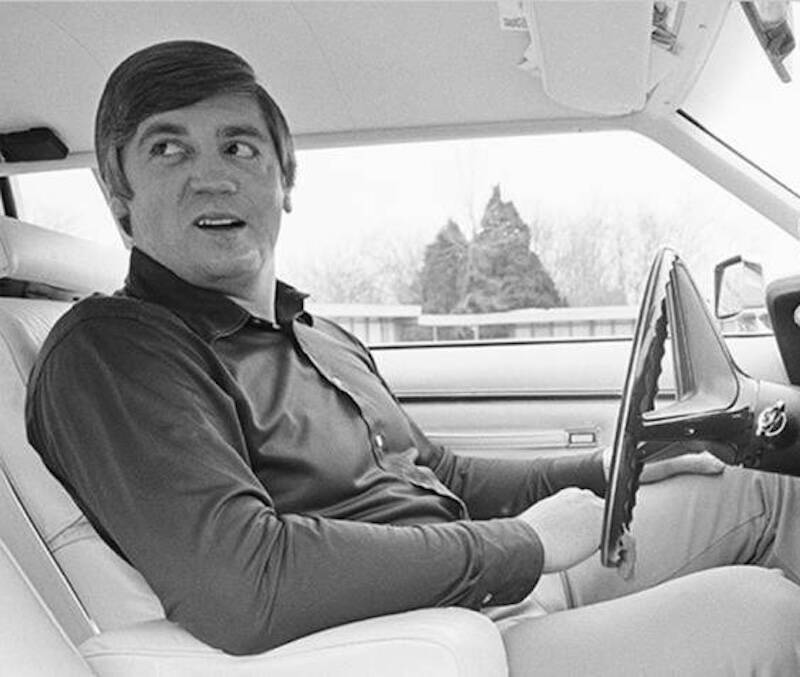
Bettmann/Getty ImagesBuford Pusser supposedly avenged his wife’s murder by committing multiple killings of those responsible, but the real story may not be so clear cut.
One of modern history’s most famous revenge stories involves a sheriff-turned-vigilante whose wife was allegedly killed in a shooting by Southern mobsters. His name was Buford Pusser and his righteous journey to avenge his wife was later adapted numerous times, including the movie Walking Tall, featuring Dwayne “The Rock” Johnson.
For most of his life, Pusser made his career in public service. Before he was a police officer, Pusser served as a Marine who later enjoyed a brief stint as a popular wrestler in Chicago. His tall frame and large build earned him the nickname “Buford the Bull” in the ring.
In Chicago, he met his future wife, Pauline, and they got married two years later. The couple moved to Pusser’s hometown in McNairy County, Tennessee, where Pusser quickly rose through the ranks of local law enforcement. He was elected chief of police and constable, and later he was elected county sheriff at just 27 years old, making him the youngest sheriff ever elected in Tennessee history.
The young sheriff was fearless and wasted no time cracking down on mob activity, concentrating on the state border between Tennessee and Mississippi, which was controlled by two separate gangs: the Dixie Mafia and the State Line Mob. The gangs made a lot of money off their illegal production of moonshine, so Pusser’s crackdown was obviously not appreciated.
By 1967, Pusser had survived countless assassination attempts, killing several of the hitmen who tried to take him out. He was a local hero to the public, but he became a prime target for the increasingly desperate mob.
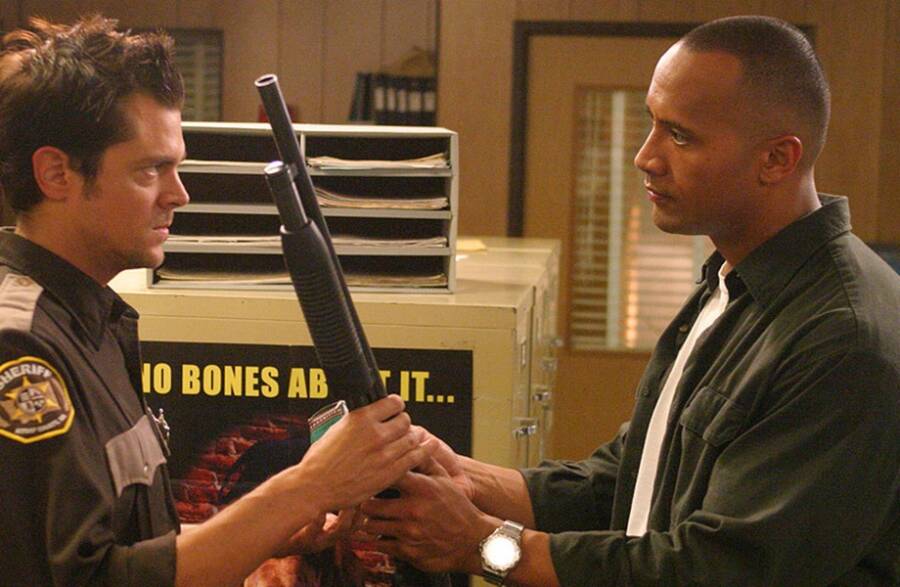
MGMDwayne Johnson in Walking Tall (2004), which was loosely based on Buford Pusser’s story.
Things changed forever on August 12, 1967, when his wife, Pauline, decided on a whim to accompany him to investigate a roadside disturbance. A car pulled up alongside theirs and suddenly opened fire. Pusser suffered a severe injury to his jaw but survived. His wife, however, was killed.
Stricken with the guilt over his wife’s death at the hands of a mob hit — Pusser was most likely the only intended target — Pusser cracked down on crime even harder than before. He publicly named his four assassins and Kirksey McCord Nix Jr., the leader of the Dixie Mafia, as the mastermind behind the hit that killed his wife.
Although Nix never saw justice for Pauline Pusser’s murder — though he was later sentenced to life in prison for ordering the murder of a Mississippi circuit court judge — the other assassins involved in the murder of Pusser’s wife mysteriously dropped dead one by one.
Rumors circulated that Pusser had organized hits on the mob members to avenge his wife. But because there was no evidence to tie him to the deaths personally — and possibly because nobody was going to prosecute Pusser for avenging his murdered wife — Pusser was never charged for the killings.
However, this well-known story was perhaps upended thanks to a new investigation by Tennessee authorities that concluded in 2025. After exhuming Pauline’s body and performing an autopsy, officials found evidence that contradicted the established story.
It appeared that she was shot from a distance closer than what Buford described, and that she had sustained an injury to her nose before being shot. Meanwhile, the blood patterns in the Pusser’s car was not not consistent with the story as given.
In the end, authorities concluded that, were he alive today, there would be enough evidence to charge Buford Pusser with the murder of his wife.