The Savage Killing Of Serial Rapist Akku Yadav By A Mob Of Women He Raped
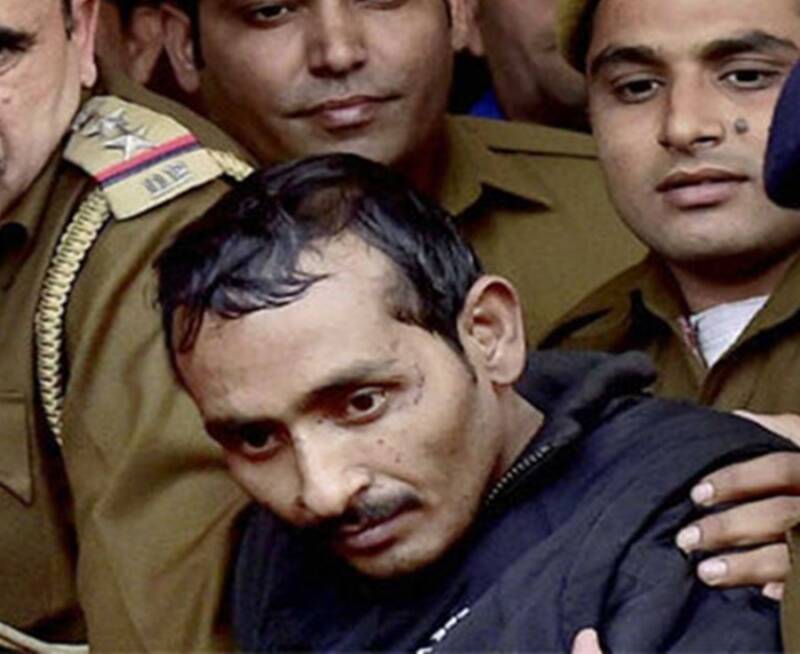
Barta TVA mob of rape victims took revenge on their assaulter, Akku Yadav, when they killed him in 2004.
For many years Akku Yadav was seemingly untouchable even though he was a notorious criminal. He was known to have raped more than 200 women from the Kasturba Nagar slum of New Delhi, preying mostly upon members of the “Untouchable” caste, the lowest members of India’s social hierarchy who received little to no help from authorities.
Akku Yadav also routinely bribed corrupt officials so they would drop his cases and had a gaggle of henchmen that worked at his behest. Despite countless women coming forward with allegations of rape against him, Yadav always managed to remain free to rape whomever he wanted.
In fact, whenever a victim reported him to the police, the authorities would alert Yadav, who would then visit the women and threaten to throw acid on them or rape them again. He had raped so many women in the neighborhood that many believed that “a rape victim lives in every other house in the slum.”
But the women’s revenge would come sooner than they expected, starting with the actions of Usha Narayane, a victim who had repeatedly been harassed by Yadav.
With help from her brother-in-law, Narayane reported Yadav to the deputy commissioner, who promised that police would arrest the serial rapist. The residents of the slum seemed in little mood to wait. That night, Yadav’s house was knocked down by angry neighbors and local residents and, perhaps fearing for his life for the first time, Yadav surrendered to the police.
The next day in court, Narayane and many other local women — most of them victims or friends and family of Yadav’s victims — heard that the Yadav was likely to escape punishment yet again. Together, they swarmed the courthouse armed with vegetable knives, stones, and whatever else that was at hand.
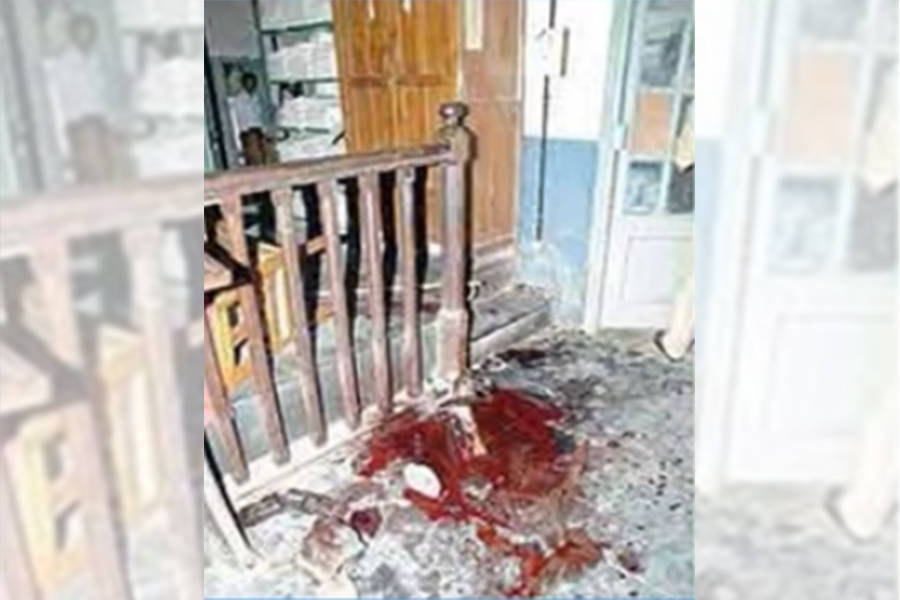
YouTubeThe bloody aftermath of the killing of serial rapist Akku Yadav.
As he walked past the angry women in court, Akku Yadav taunted one of them, calling her a prostitute and threatening to rape her again — and the policeman who was escorting him laughed. The arrogance of the rapist and the open neglect of the police who were supposed to protect the women caused the woman to simply snap and an altercation quickly broke out.
“We can’t both live on this Earth together. It’s you or me,” the woman cried as she began beating Yadav with her sandal. The other women quickly converged on Yadav as well. The mob was so violent and overwhelming that the police guards quickly fled the courtroom, leaving Yadav to the armed mob.
The attack lasted for more than ten minutes and left Yadav’s dead body butchered on the courtroom floor with 70 stab wounds and his penis cut off.
“It was not calculated,” Narayane later spoke of the incident. “It was not a case that we all sat down and calmly planned what would happen. It was an emotional outburst. The women decided that, if necessary, they’d go to prison, but that this man would never come back and terrorize them.”
Indeed, when police tried to arrest five of the women for Yadav’s death, all the women in the village protested and soon every one of them had taken responsibility for the murder. Narayane and several other women were arrested and tried but were eventually released due to lack of evidence.
The death of Akku Yadav at the hands of the women he tortured was a wake-up call to the public about rampant sexual violence against Indian women and remains one of the most satisfying stories of revenge out there.
Revenge Stories: Queen Boudica And Her Epic Battle Against The Romans
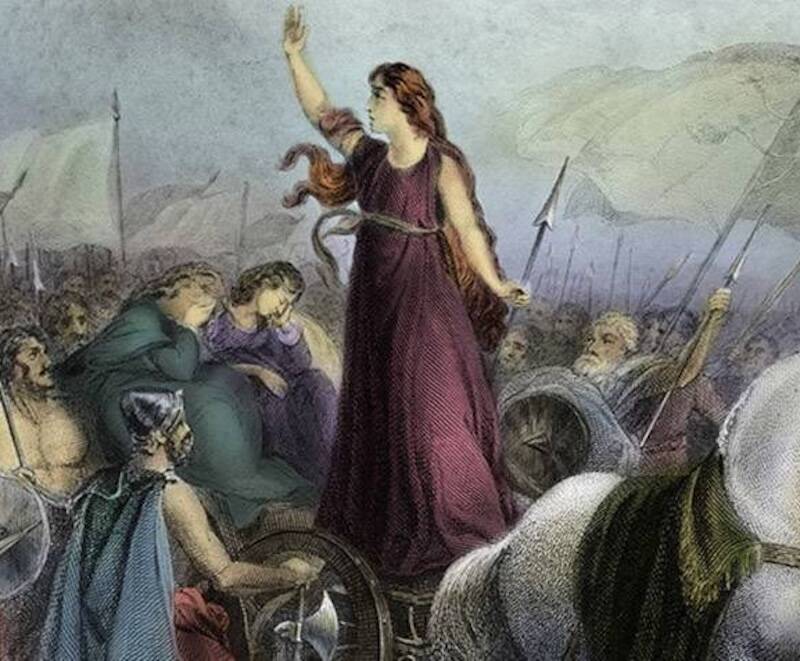
Culture Club/Getty ImagesQueen Boudica led an uprising against the Roman Empire after her land was taken, she was flogged, and her daughters were raped.
Queen Boudica was a fearless Celtic tribal queen whose story of revenge against the ancient Romans in Britain is so legendary that it’s still being told today.
Boudica was the wife of Prasutagus, king of the eastern tribe of Britons known as the Iceni, who the Romans allowed to continue ruling his land after their conquest of southern England in the first century C.E. Prasutagus declared in his will that upon his death half of his land would be given to the then-Roman Emperor Nero, and the other half would be left to his wife, Boudica, and their two daughters.
This, however, was not what the Romans had in mind. When they allowed client kingdoms to continue ruling themselves under Roman authority, the client status lived only as long as the life of the ruler who agreed to the arrangement. Upon their death, the territory would then belong to the Romans entirely; they were not allowed to split their land up.
When the Romans came to claim Prasutagus’ kingdom and were told that half of his kingdom had been given to Boudica and his daughters, the Roman governor forcibly annexed his kingdom and Roman soldiers were sent to punish and humiliate the Iceni queen. In Annals, Roman historian Tacitus wrote of the incident:
“Kingdom and household alike were plundered like prizes of war, the one by Roman officers, the other by Roman slaves. As a beginning, his widow Boudicca was flogged and their daughters raped.The Icenian chiefs were deprived of their hereditary estates as if the Romans had been given the whole country. The king’s own relatives were treated like slaves.”
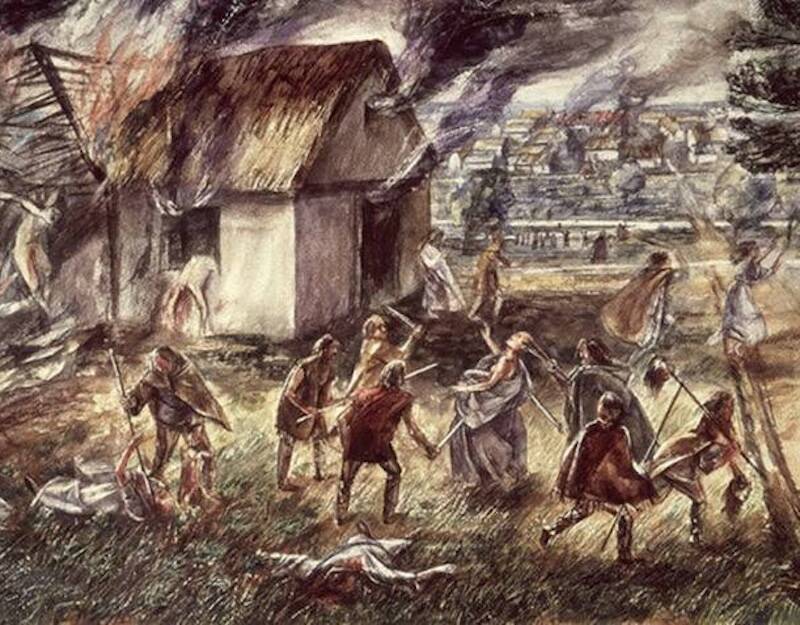
Museum of London/Heritage Images/Getty ImagesReconstruction of the massacre by Boudica’s forces at Londinium in 60 C.E.
After nearly two decades of abuse at the hands of the Romans, the Britons had reached their breaking point and Queen Boudica was not one to take such outrages quietly. She gathered people from tribes all over the territory who were also thirsty for revenge against the Roman Empire. One such tribe was the Trinovantes in the south, who kept a secret stockpile of weapons that was later used by Boudica’s tribal army made up of as many as 100,000 warriors.
They first struck Camulodunum — the capital of Roman Britain at the time — where they quickly burned through the city and its people, destroying all its buildings including an unfinished temple to the emperor Claudius who had first formalized the conquest of the Britons in 43 C.E.
Boudica’s blood-thirsty army plowed through more cities — including Londinium, now modern-day London — where the rebels massacred populations and wreaked havoc throughout Roman Britannia. Her forces were unstoppable, slaughtering even the fierce cavalry of Roman Commander Quintus Petilius Cerialis with ease.
The rebels tortured and mutilated civilians, impaled them on skewers, and crucified them. It’s estimated that Boudica’s army killed around 80,000 people during the rebellion, most of whom were Romans colonists, though some of them were pro-Roman Britons as well.
Her revenge rampage was finally stopped in 61 C.E. by the Roman Governor Gaius Suetonius Paullinus. Vastly outnumbered by as many as 10-to-1, Paullinus and the Roman soldiers under his command used a mix of strategic positioning and the renown Roman discipline to slowly reduce the numbers of the rebellious Britons. When the Britons suddenly broke into a retreat, they were trapped by the crescent formed from their own baggage train and slaughtered by the advancing Romans, with upwards of 80,000 of Boudica’s army being slain.
It’s unclear how Boudica herself died — she is said to have poisoned herself — but one thing is for certain: the Romans paid a heavy price for their crimes against her and her people, making it one of history’s greatest revenge stories.