Frederick Fleet, The Man Who Yelled “Iceberg! Right Ahead!”

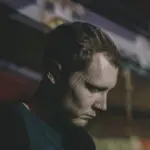
Wikimedia CommonsFrederick Fleet, Titanic Survivor. 1912.
Frederick Fleet, a British sailor, was just 25 years old when he signed on as a crewman on the Titanic. He was one of five lookouts on the ill-fated voyage, and it was Fleet who made the famous call to the bridge: “Iceberg! Right ahead!”
At 10:00 p.m. on the night of April 14, he took to the frigid crow’s nest with his watch partner, a man named Reginald Lee. The departing team warned them to look out for small bits of ice in the water — a difficult task on a moonless night.
At 11:39 p.m., with just twenty minutes left in his shift, Fleet spotted the iceberg suddenly off the bow. Panicked, he rang the bell and notified the bridge. By the time his shift ended at midnight, people were already swarming to the lifeboats.
He was ordered to row Lifeboat 6, the same one occupied by the Unsinkable Mollie Brown, and got his group of survivors to safety on the nearby RMS Carpathia.
Fleet’s reception on land was mixed. Though he had spotted the iceberg, his role in the sinking became the subject of a number of inquiries.
The world wanted to know whether the disaster could have been avoided. Fleet always insisted that he could have prevented it if he’d just had binoculars — something the Titanic’s watch crew had asked for and been denied.
Later in life, he suffered from depression and ultimately committed suicide in 1965.
Titanic Survivors: Masabumi Hosono
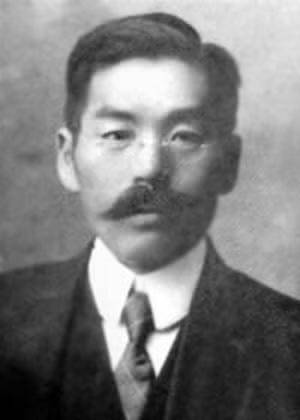
Wikimedia CommonsMasabumi Hosono, Titanic survivor.
The only Japanese person aboard the Titanic, Masabumi Hosono ultimately endured the scorn of his countrymen for taking a spot on a lifeboat and not going down with the ship.
At the time of the collision, Honoso was asleep in his cabin. He woke to a frantic knock on the door and the sound of footsteps in the hallway.
He would later write that the scene outside his cabin was terrifying and chaotic: passengers scurried back and forth as white flashes exploded above him — the crew was setting off emergency flares.
When he arrived at the lifeboats, he was turned away: he was a foreigner, the officer said, and would have to wait on the lower deck.
But when the man turned his back, Hosono saw his chance. A lifeboat called out that it had room for another two passengers, and after watching another man hop in, he wrestled with himself. He felt he should go down with the ship — but he wanted more than anything to see his wife and children again.
He joined the man in the lifeboat, the screams of the drowning echoing in his ears as the boat pulled away.
After making it back to land, Hosono reportedly lost his government job, suffered ridicule in the press, and served as a source of shame for his family even after his death in 1997.