


And if you liked this post, be sure to check out these popular posts:
He was born during a lightning storm
According to family legend, a midwife claimed that this bad omen destined him to be a child of the dark, to which his mother replied, “No. He will be a child of light.”
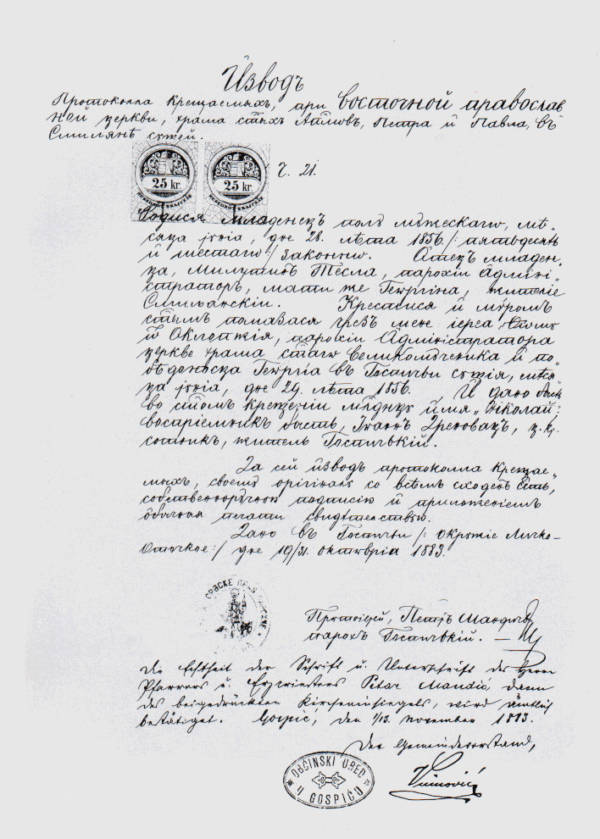
Pictured: Tesla's birth certificate Wikimedia Commons
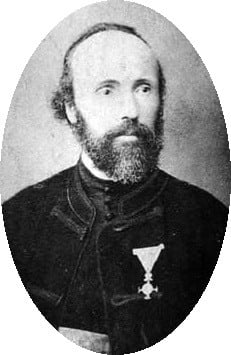
He wasn't the only inventor in his family
He almost became a priest
He dodged the draft
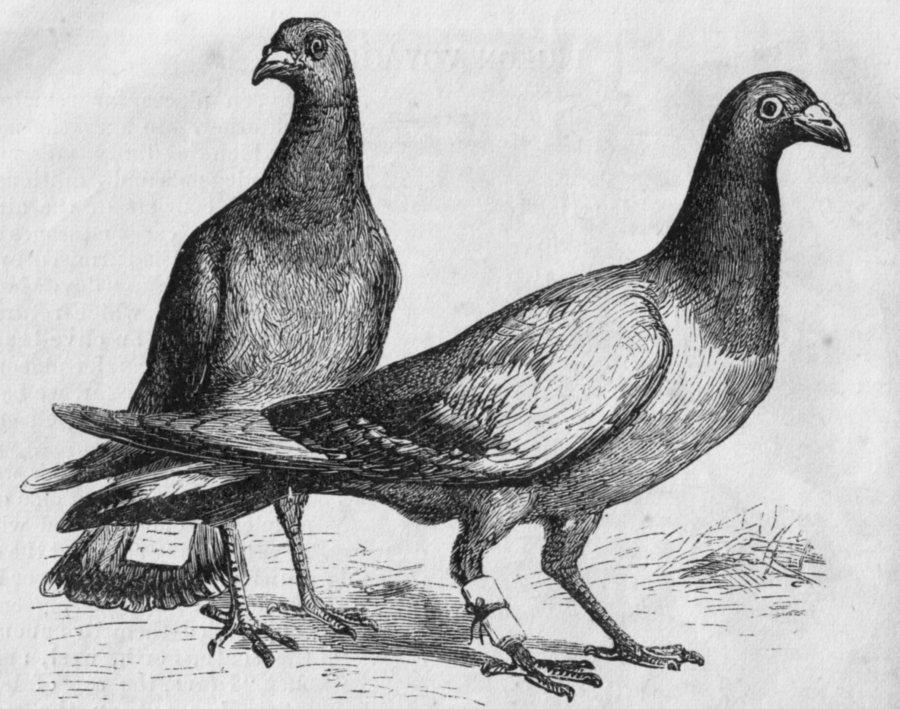
He had a strange relationship with pigeons
He grew especially fond of one little bird, and said this about her: “I loved that pigeon as a man loves a woman, and she loved me. As long as I had her, there was a purpose to my life.”Wikimedia Commons
He believed that women would become superior to men in the future
He was voluntarily chaste
He often expressed his belief that romantic relationships limited his ability to invent, even saying, “I do not think you can name many great inventions that have been made by married men.”Wikimedia Commons
He suffered from a severe fear of pearls
This is one of many traits — such as being obsessed with the number three and being extremely wary of germs — that have given many cause to believe that Tesla suffered from a form of obsessive-compulsive disorder.Wikimedia Commons
He supported eugenics
Later in life, he was even close friends with German-American journalist George Sylvester Viereck, who worked as a propagandist for the Nazis.Wikimedia Commons
He rarely ever slept
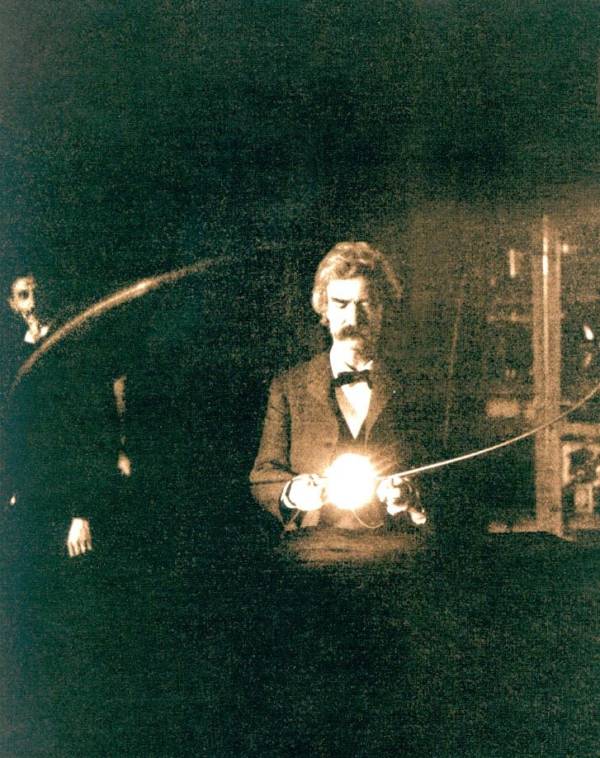
He cured Mark Twain's constipation
Twain suffered from constipation his whole life, and complained about it frequently. In order to alleviate his friend's suffering, Tesla suggested that Twain use one of his inventions, a vibrating, oscillating, metal disc to help with his problem by shaking things loose. Reportedly, the treatment was perhaps too successful, and caused Twain to immediately void his bowels.Wikimedia Commons
He designed a death ray
Describing the weapon in 1934, Tesla stated: "The nozzle would send concentrated beams of particles through the free air, of such tremendous energy that they will bring down a fleet of 10,000 enemy airplanes at a distance of 200 miles from a defending nation's border and will cause armies to drop dead in their tracks."Albert Harlingue/Roger Viollet/Getty Images
He had a photographic memory
As a result, Tesla rarely made drawings of his inventions, but instead worked merely from an image or memory within his own head.Wikimedia Commons
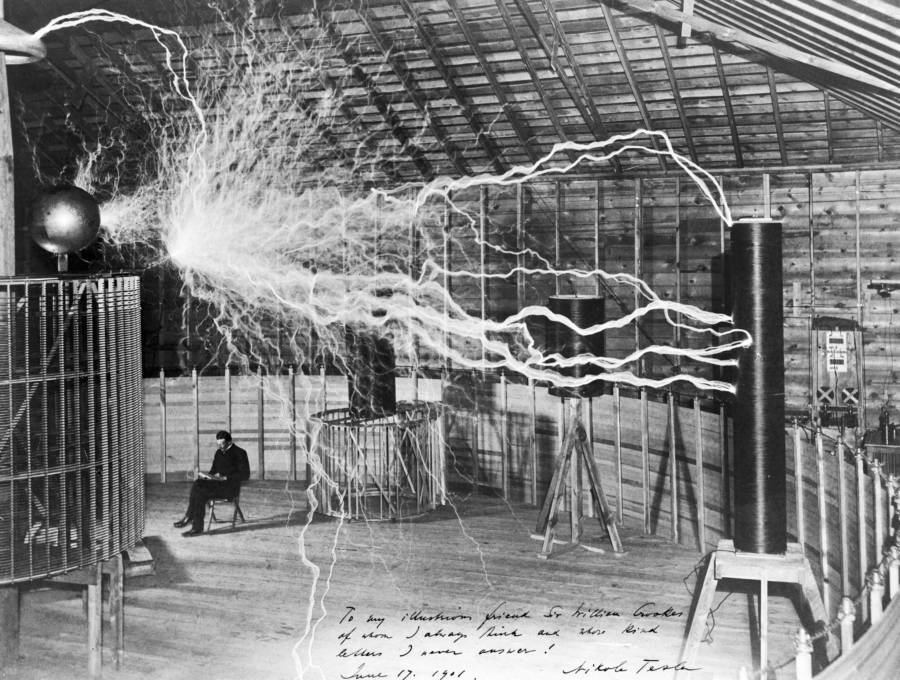
He designed a wireless communication device – in 1901
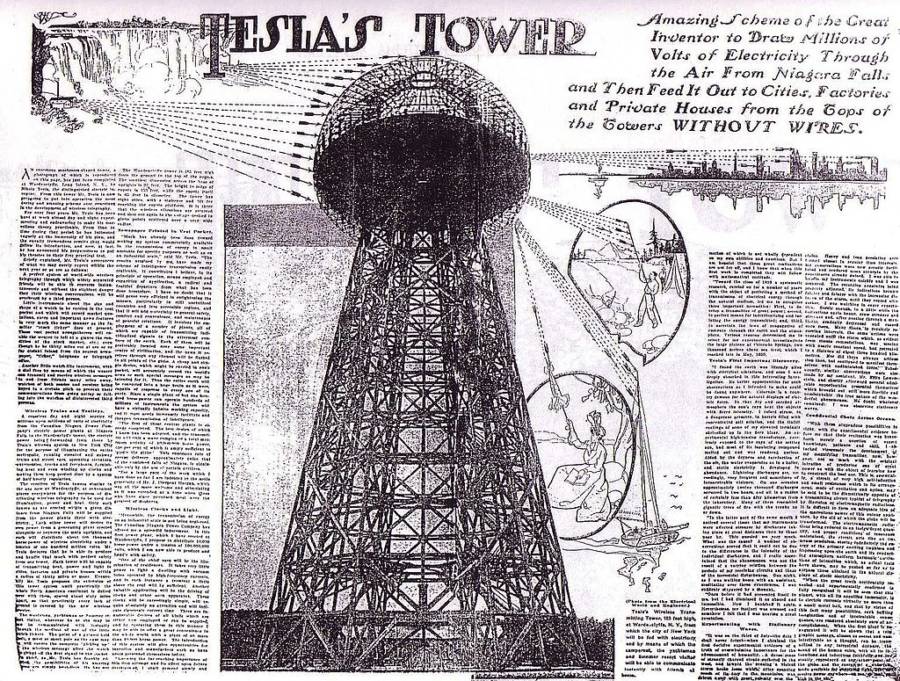
Wardenclyffe Tower, so named after its main investor, James S. Warden, was meant for trans-Atlantic wireless telephony and broadcasting, but it was never fully functional, and was therefore demolished in 1917. Wikimedia Commons
He was an environmentalist far ahead of his time
He spoke eight languages
He was a vegetarian
However, he continued to progress with this idea until he was on an entirely liquid diet, leading some biographers to believe that his behavior was his way of rationalizing an eating disorder that he was suffering from.Wikimedia Commons
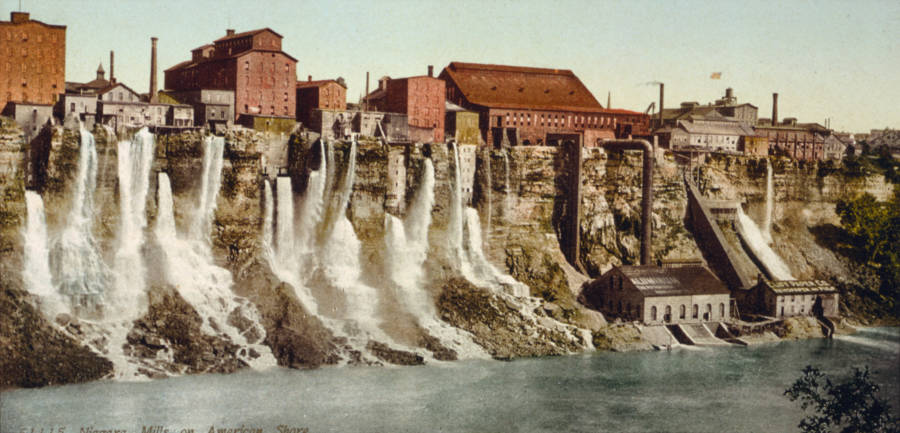
He invented the first hydroelectric power plant
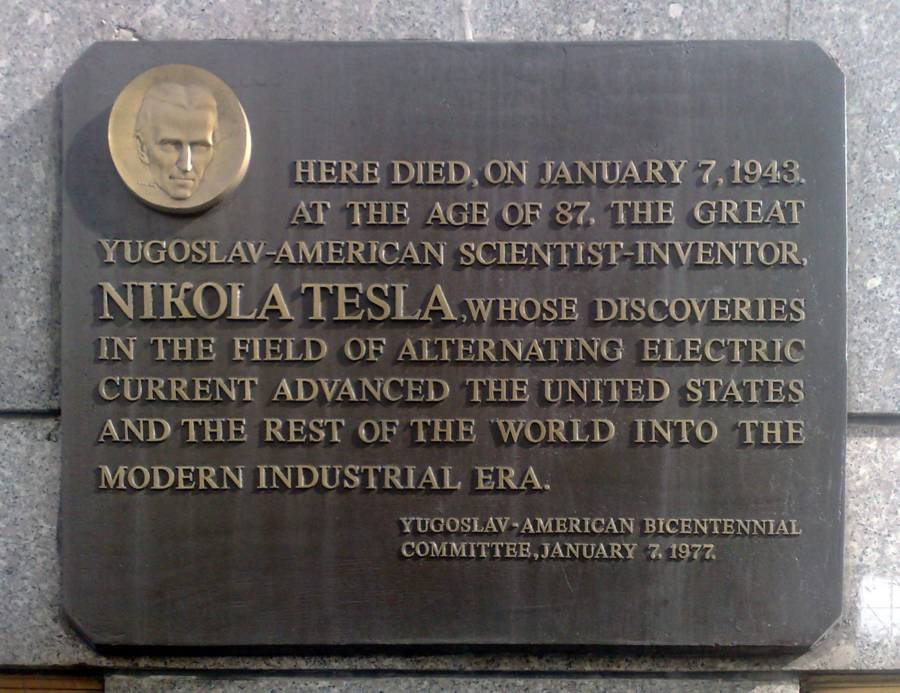
He died broke and alone
Though he sold his AC electrical patents, Tesla died in debt because he self-funded many of his own projects that never ended up seeing the light of day.Wikimedia Commons
He has adorned many types of Balkan currency
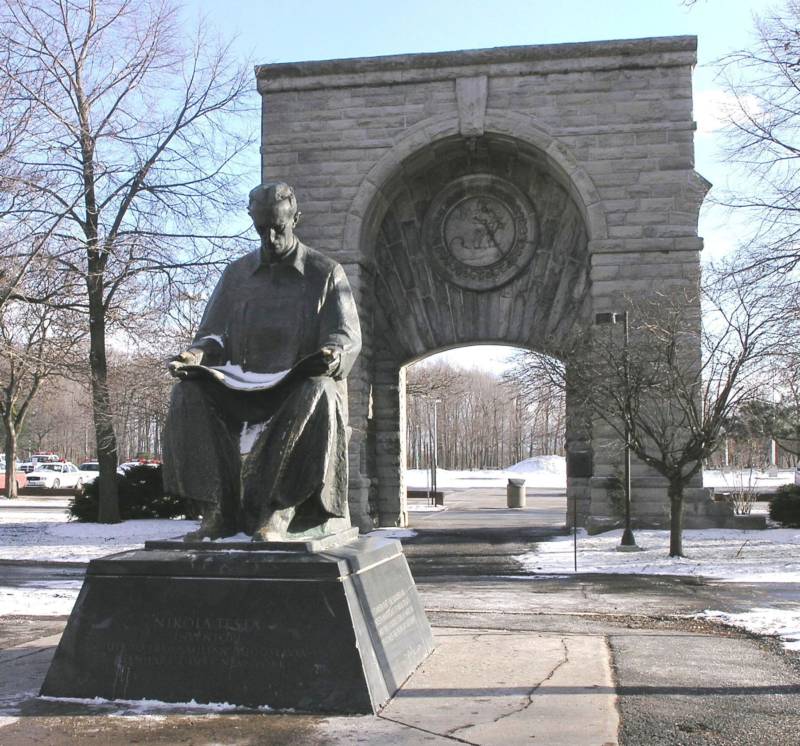
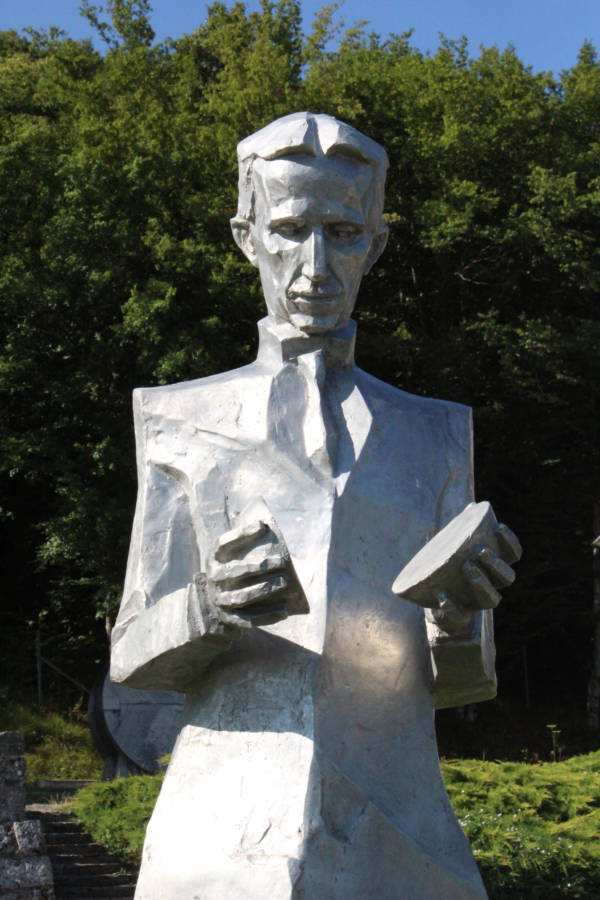
He now has a Silicon Valley statue that radiates free Wi-Fi
He invented many things that have remained classified
Some of Tesla’s documents and papers still remain classified, and while people have requested items via the Freedom of Information Act, those items are heavily redacted before their release. As a result, people tend to wonder what else Nikola Tesla had up his sleeve — like perhaps a device that would lead to free energy — before his death.Wikimedia Commons


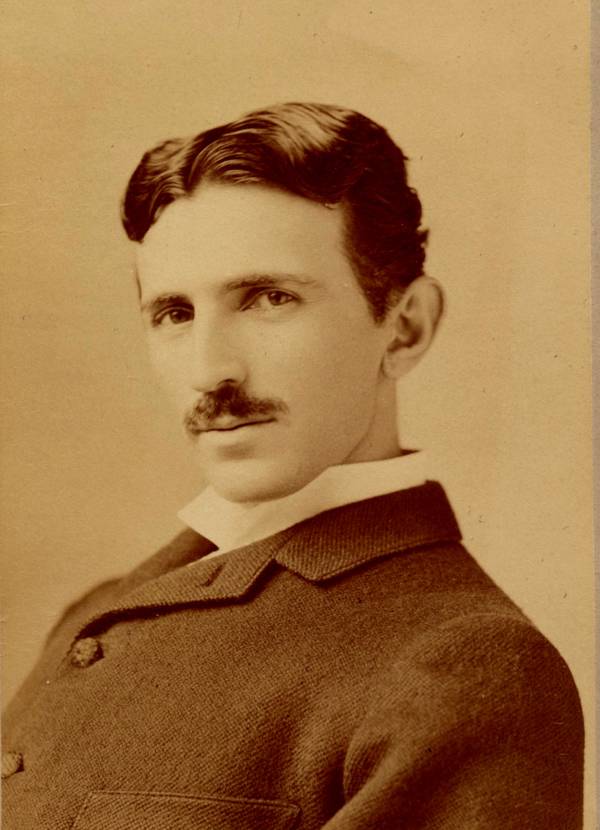
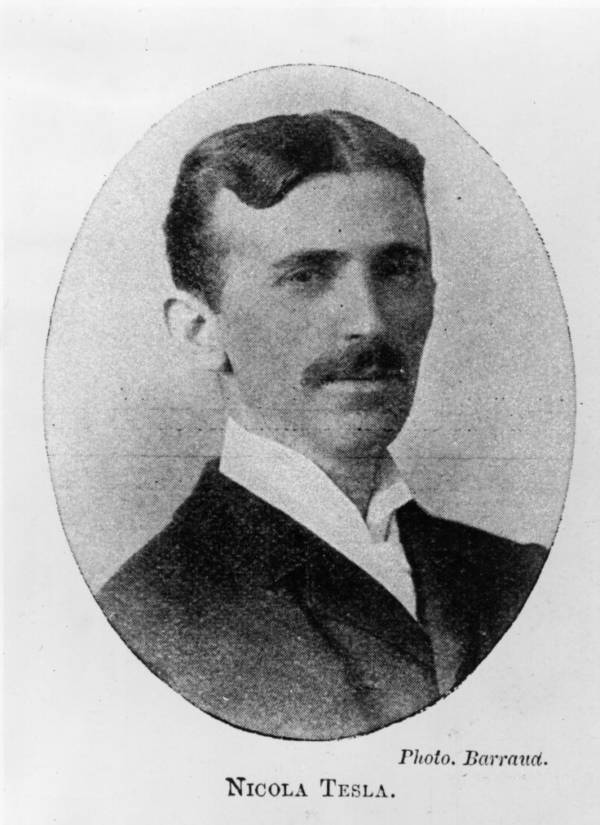
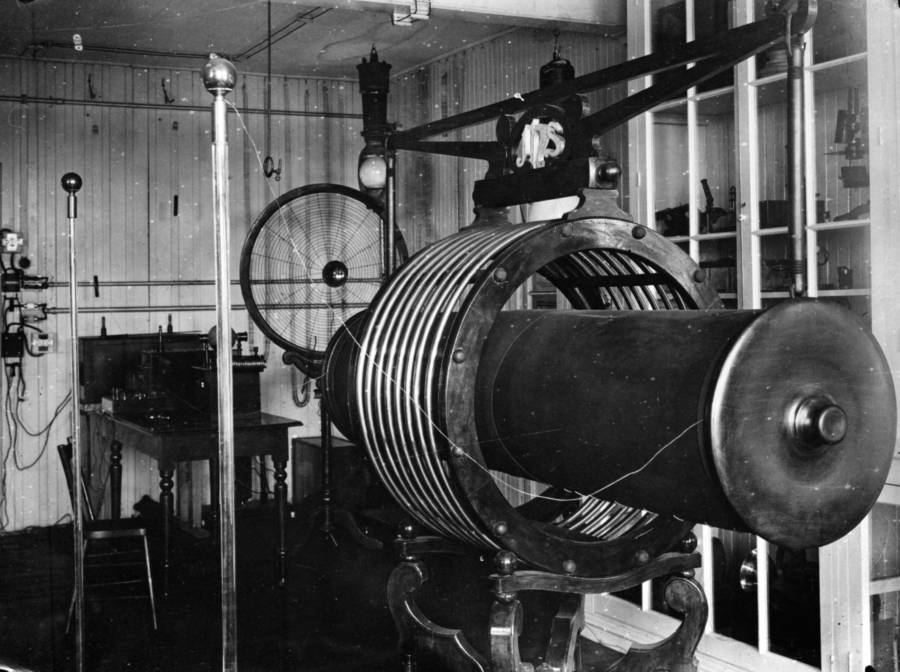
Often overshadowed by his one-time employer, Thomas Edison, Serbian-born inventor, engineer, and physicist Nikola Tesla is known mostly as the archetypical "mad scientist" behind breakthroughs like the AC induction motor and the Tesla coil.
While Tesla indeed enjoyed a successful career as an inventor, his personal life was a different story, as he displayed many asocial behaviors and had no documented romantic relationships. Ultimately, he ultimately ended up both destitute and alone.
Having seemingly become more eccentric with each passing year of his life, Tesla exhibited a list of odd behaviors that are now remembered perhaps as well as his legacy of preternatural brilliance.
Represented among the Nikola Tesla facts above are both sides of one of the most complex figures of our time.
After this survey of fascinating Nikola Tesla facts, check out this list of some of the Tesla predictions that came true. Then, see how people today have made use of the Tesla coil.