The Dark Possible Meaning Of The Nursery Rhyme “London Bridge Is Falling Down”
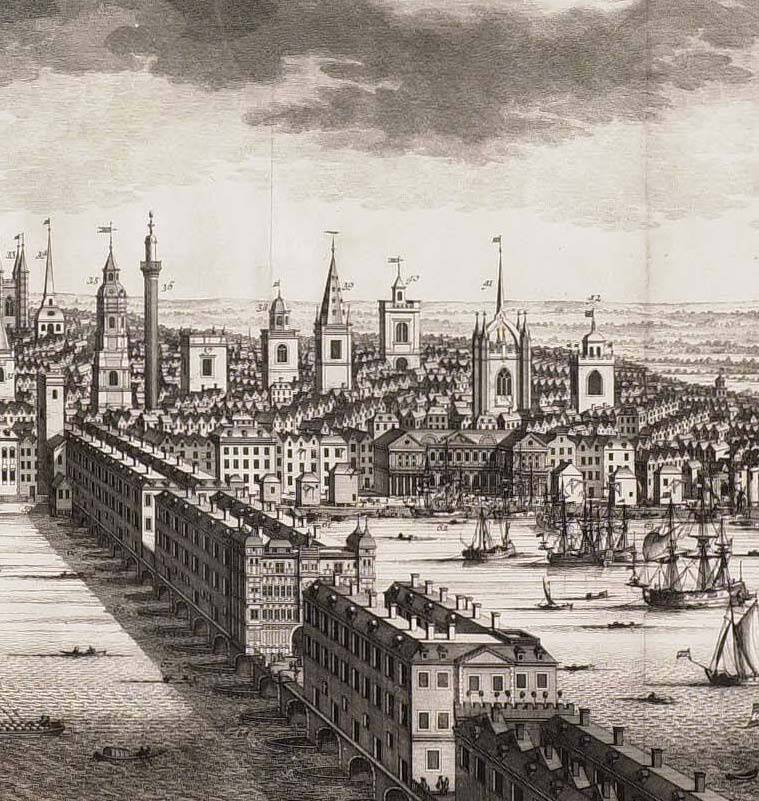
Public DomainOld London Bridge in an early 18th-century illustration.
Perhaps it’s not too surprising that the nursery rhyme “London Bridge Is Falling Down” could have a dark meaning. Though the tune is beloved by children, it is, at the end of the day, about the collapse of a bridge.
Indeed, this nursery rhyme’s origin could be a literal one. Though the rhyme first became popular in the 1850s, according to History Daily, it’s actually much older. And the rhyme may refer to one of many times that early versions of the London Bridge were destroyed or almost destroyed.
In 1014, for example, Viking leader Olaf Haraldsson allegedly destroyed the bridge, and Norse rhymes about the attack bear similarities to the London Bridge rhyme. (However, the historical accuracy of this attack is unknown.) Part of the bridge was also badly damaged by ice in 1281, and 17th-century fires, including the Great Fire of London in 1666, also wreaked havoc on the bridge. In 1831, the bridge was also purposely demolished and rebuilt.
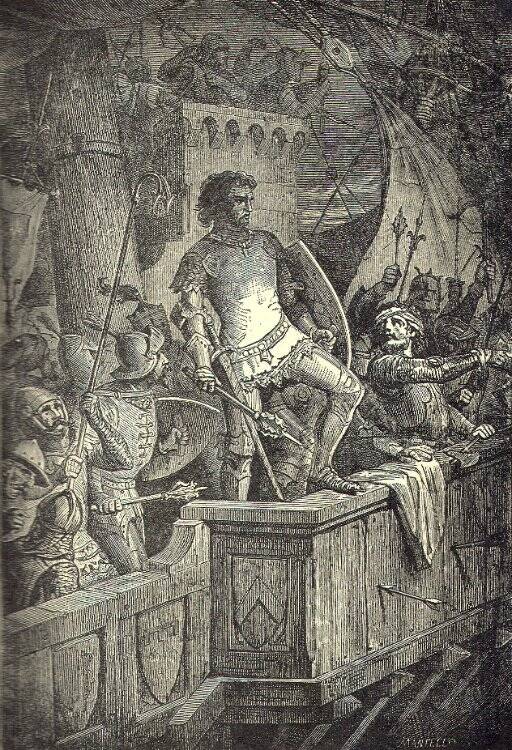
Public DomainVikings on the London Bridge, during an alleged 11th-century attack, which some sources claim destroyed the structure.
Thus, it could be that the London Bridge nursery rhyme has literal origins. But it’s also possible that this beloved rhyme has a much darker backstory.
In The Traditional Games of England, Scotland and Ireland, which was written by Alice Bertha Gomme in the late 19th century, the author suggests that the London Bridge rhyme has to do with the gruesome practice of immurement. Immurement was both a form of medieval punishment and sacrifice, in which the victim was encased in a room and left to die.
Gomme suggests that someone — or several someones — might have been encased inside the bridge to “bless” it and to ensure that it would never collapse. Indeed, part of the rhyme goes: “Take the key and lock her up / Lock her up, Lock her up / Take the key and lock her up / My fair lady.”
That said, there is no archaeological evidence that any sort of immurement sacrifice was ever practiced at London Bridge.
Inside The Controversial Origins Of “Mary Had A Little Lamb”
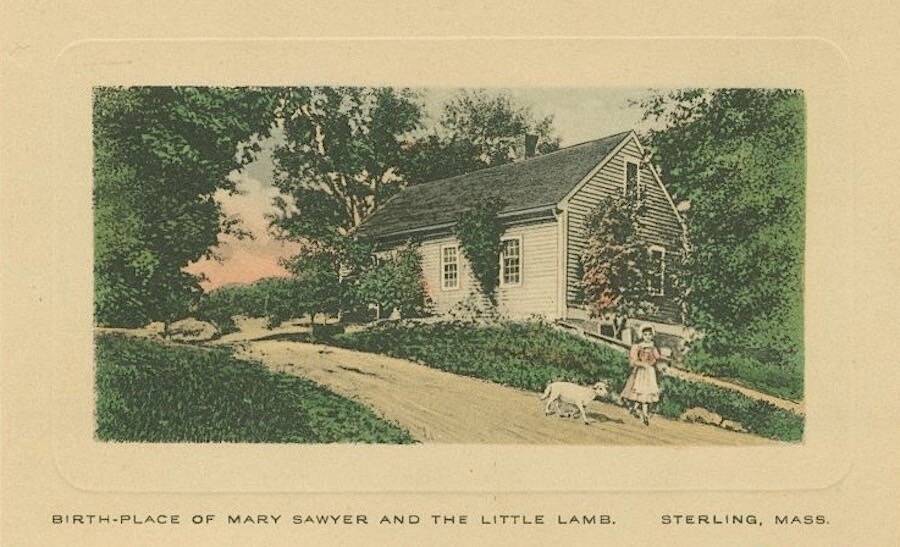
New York Public LibraryMary Sawyer claimed to be the “Mary” in “Mary Had A Little Lamb,” but not everyone accepts this backstory.
The meaning behind the nursery rhyme we’ll discuss next is not anywhere near as dark as the previous ones. But the story behind “Mary Had A Little Lamb” is rife with controversy. Basically, there are two people who claim to have invented the rhyme, and both have fiercely defended their position.
The first claim involves a little girl named Mary Sawyer, who rescued a frail lamb who’d been abandoned by its mother in 1816. Sawyer brought the lamb to her family’s home and nursed the sickly creature back to health.
“I got the lamb warm by wrapping it in an old garment and holding it in my arms beside the fireplace,” Sawyer later wrote of the experience. “In the morning, much to my girlish delight, it could stand; and from that time it improved rapidly. It soon learned to drink milk; and from the time it would walk about, it would follow me anywhere if I only called it.”
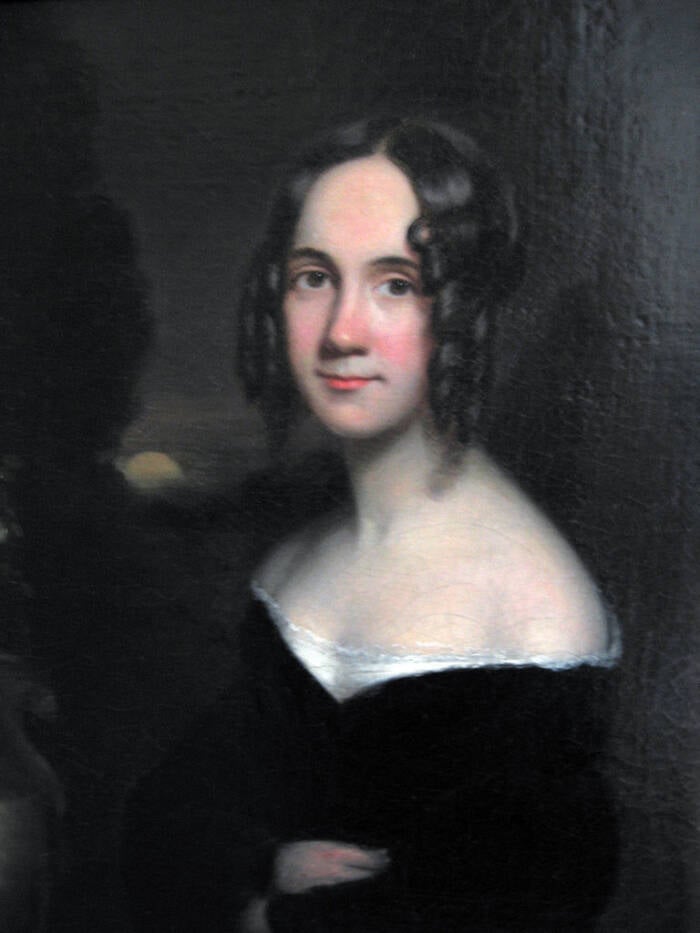
Public DomainAuthor, editor, and activist Sarah Josepha Hale also claimed to have come up with “Mary Had A Little Lamb.”
Sawyer even brought the lamb to school with her, where it caused a commotion by bleating under her desk. After that, Sawyer claims that an older boy named John Roulstone gave her a rhyme he’d written about her lamb, which went: “Mary had a little lamb / Its fleece was white as snow / And everywhere that Mary went / The lamb was sure to go.”
But then this simple story took a twist. In 1830, author, editor, and activist Sarah Josepha Hale published Poems for Our Children, which included Roulstone’s rhyme alongside three new stanzas. Hale claimed that she came up with it herself. Since Roulstone was long gone and Sawyer had lost his original poem, controversy about the rhyme’s true origins grew.
Both Hale and Sawyer signed sworn statements attesting to their versions of the story, but to date, it’s unclear who exactly came up with “Mary Had A Little Lamb.” Interestingly enough, automobile pioneer and business magnate Henry Ford took Sawyer’s side — and even purchased Sawyer’s old schoolhouse — but Hale is most commonly listed as the poem’s author.