ATI TOPICS
ancient history
From Greece to South America, All That’s Interesting shares fascinating facts and interesting articles about ancient history.
Latest
From Greece to South America, All That’s Interesting shares fascinating facts and interesting articles about ancient history.
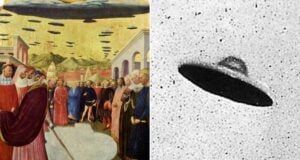

There are reports of ancient Romans seeing mysterious objects fly through the skies, including phantom ships, silver rain, and even entire armies.
There are reports of ancient Romans seeing mysterious objects fly through the skies, including phantom ships, silver rain, and even entire armies.
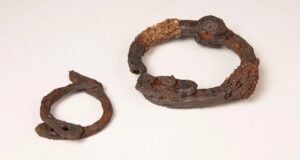
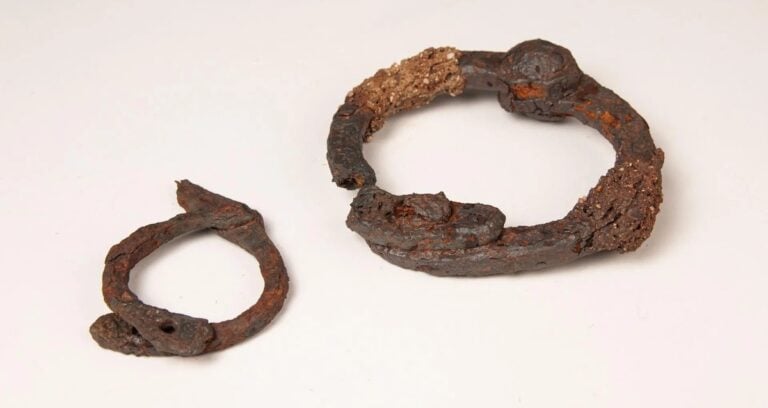
Archaeologists excavating Celtic ruins in the town of Allonnes discovered 2,300-year-old iron shackles, as well as a religious sanctuary with coins, jewelry, and weapons laid as offerings to the gods.
Archaeologists excavating Celtic ruins in the town of Allonnes discovered 2,300-year-old iron shackles, as well as a religious sanctuary with coins, jewelry, and weapons laid as offerings to the gods.
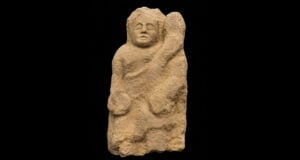
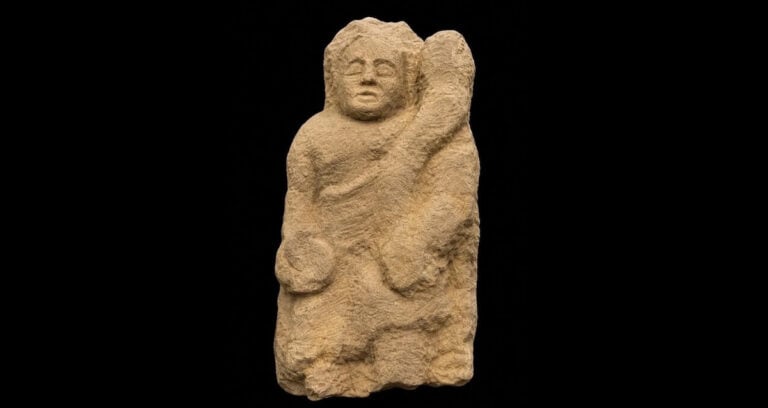
Researchers excavating the ruins of the Roman military fortress at Vindolanda believe the ancient sculpture depicts a Genius, a protective spirit that was said to bring prosperity and security.
Researchers excavating the ruins of the Roman military fortress at Vindolanda believe the ancient sculpture depicts a Genius, a protective spirit that was said to bring prosperity and security.
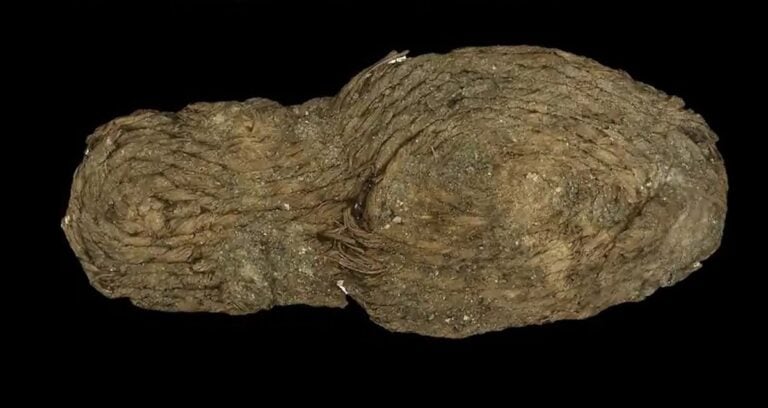
The researchers dated the soles, made of esparto grass, to three different time periods, ranging from the 4th century B.C.E. to the 1st century C.E., proving that this specific type of sandal was used across many centuries.
The researchers dated the soles, made of esparto grass, to three different time periods, ranging from the 4th century B.C.E. to the 1st century C.E., proving that this specific type of sandal was used across many centuries.
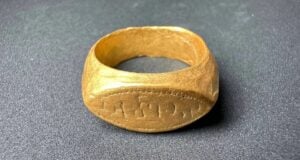
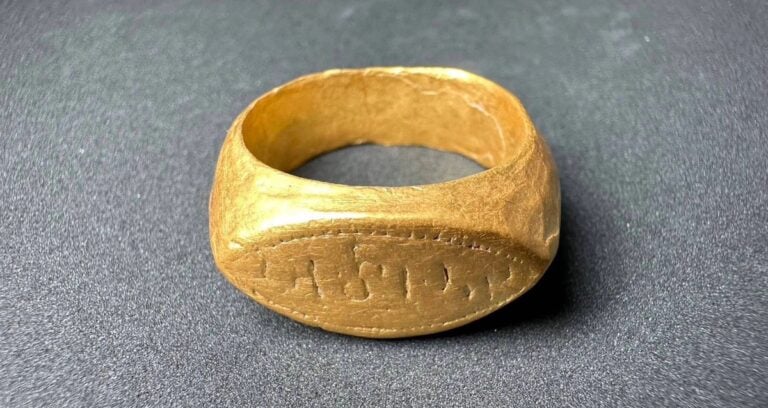
Archaeologists excavating the Don Yai Thong site believe that the rings once belonged to members of the Vaishya social class, the commoners of the Indian caste system who generally worked as merchants, farmers, and traders.
Archaeologists excavating the Don Yai Thong site believe that the rings once belonged to members of the Vaishya social class, the commoners of the Indian caste system who generally worked as merchants, farmers, and traders.
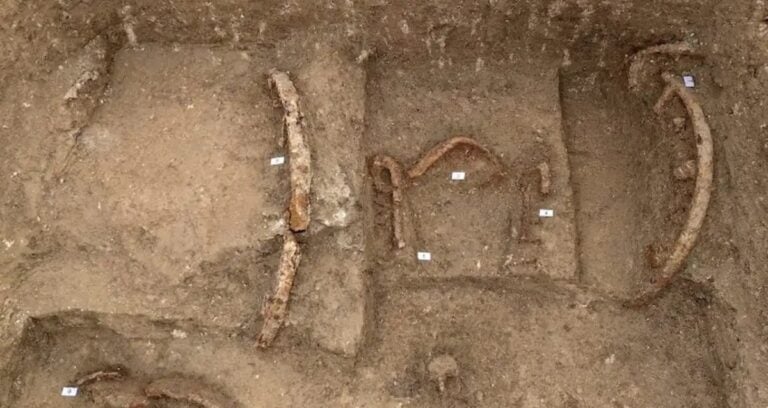
Elsewhere in this royal grave, researchers found a wealth of weapons, including a spear, sword, dagger, and axe as well as a helmet and bronze vessels that may have once held offerings of food.
Elsewhere in this royal grave, researchers found a wealth of weapons, including a spear, sword, dagger, and axe as well as a helmet and bronze vessels that may have once held offerings of food.
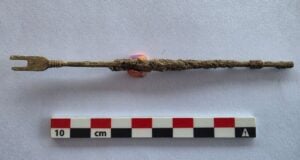
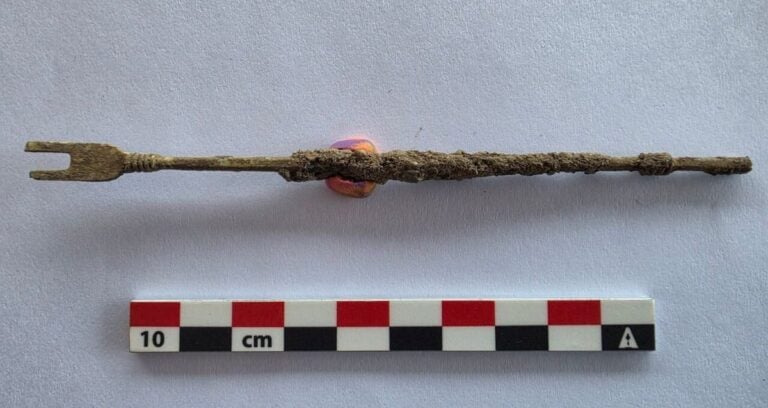
Researchers exploring the Roman-era ruins of Heraclea Sintica have unearthed an 1,800-year-old bronze lithulkos, an ancient surgical tool used to remove bladder stones with a hook.
Researchers exploring the Roman-era ruins of Heraclea Sintica have unearthed an 1,800-year-old bronze lithulkos, an ancient surgical tool used to remove bladder stones with a hook.


At 9 million square miles encompassing one-fifth of the Earth's total land mass, the Mongol Empire was the largest contiguous empire in the history of the world.
At 9 million square miles encompassing one-fifth of the Earth's total land mass, the Mongol Empire was the largest contiguous empire in the history of the world.


While excavating at Casas del Turuñuelo, researchers happened upon this ancient masterwork adorned with images of griffins, Atlas-like figures, and Achelous, a river god prominent in the Greek and Etruscan traditions.
While excavating at Casas del Turuñuelo, researchers happened upon this ancient masterwork adorned with images of griffins, Atlas-like figures, and Achelous, a river god prominent in the Greek and Etruscan traditions.


Created over the course of hundreds of years starting untold millennia ago, these paintings appear to depict both humanoid and animal-like figures alongside geometric patterns.
Created over the course of hundreds of years starting untold millennia ago, these paintings appear to depict both humanoid and animal-like figures alongside geometric patterns.
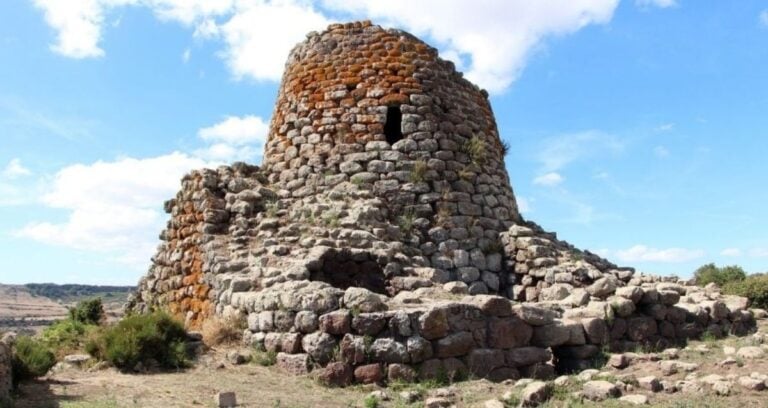
Built by the Nuragic civilization nearly 4,000 years ago, the nuraghe towers of Sardinia may have been used as military fortresses, community centers, or even private residences during the Bronze Age.
Built by the Nuragic civilization nearly 4,000 years ago, the nuraghe towers of Sardinia may have been used as military fortresses, community centers, or even private residences during the Bronze Age.


This two-foot sword was found upright in the ground, suggesting it had been deliberately deposited there as part of a ceremony or ritual.
This two-foot sword was found upright in the ground, suggesting it had been deliberately deposited there as part of a ceremony or ritual.
PO Box 24091
Brooklyn, NY 11202-4091