Abraham Lincoln, The First Assassinated President In American History
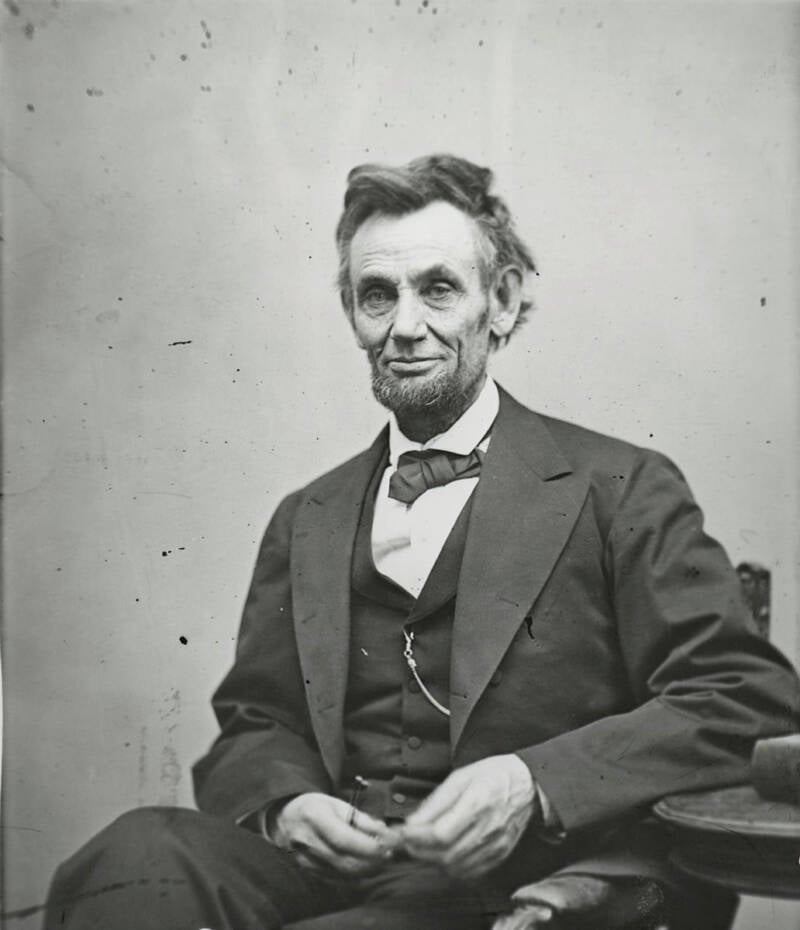
Public DomainThe last portrait taken of Abraham Lincoln, from February 1865.
The deaths of William Henry Harrison and Zachary Taylor were shocking. But the demise of the next president who died in office, Abraham Lincoln, would change the very fabric of the nation.
By April 1865, Lincoln had steered the Union through the bloody years of the Civil War. The conflict had entered its final chapter, and the president was preparing for the delicate project of what came next: Reconstruction.
Lincoln had offered some insights about what he envisioned these next steps would look like during a speech he gave on April 11. For the first time, the president offered his support for limited Black suffrage, stating: “It is also unsatisfactory to some that the elective franchise is not given to the colored man. I would myself prefer that it were now conferred on the very intelligent, and on those who serve our cause as soldiers.”
His words outraged one man in the audience — an actor named John Wilkes Booth. Booth, who had already tried and failed to execute a plot to kidnap the president, snarled to his companion: “That means n*gger citizenship. Now, by God, I’ll put him through. That is the last speech he will ever make.”
Just three days later, on April 14, 1865, Booth put his plan into action. While his co-conspirators set out to attack the vice president, Andrew Johnson, and the Secretary of State, William Seward, Booth made his way to Ford’s Theatre, where the president was watching the play Our American Cousin with his wife, Mary, and their friends, Henry Rathbone and Clara Harris.
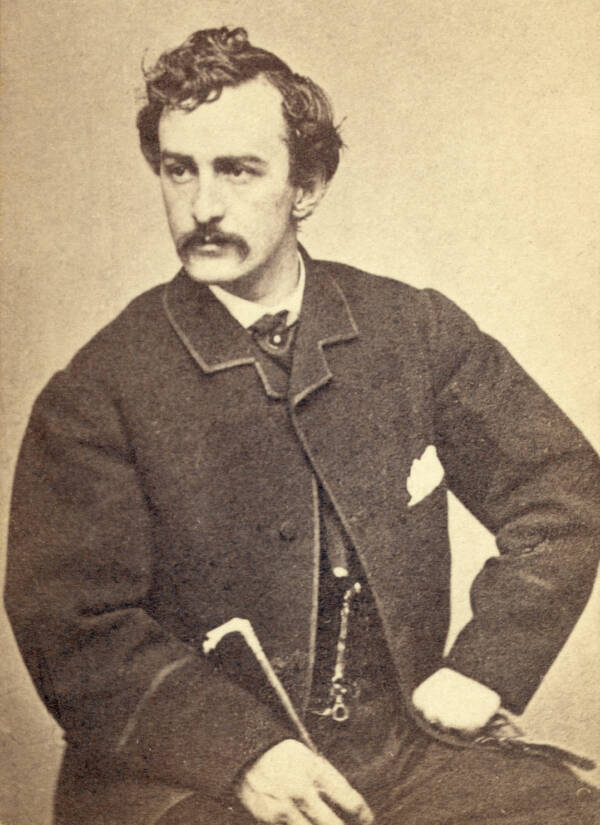
Public DomainJohn Wilkes Booth in 1865.
Booth, an actor, knew the play well. After he sneaked into Ford’s Theatre and up to the presidential box, he waited for the audience to laugh — and then shot the president in the back of the head at around 10:15 p.m.
The president was fatally wounded and died the next morning, April 15, 1865, at 7:22 a.m. After a 12-day manhunt, Booth was also killed while hiding in a barn in Virginia. His co-conspirators, who included Lewis Powell, Mary Surratt, and others, were hanged that July.
The fate of Reconstruction then fell to Lincoln’s vice president, Andrew Johnson, a pro-Union Democrat from Tennessee. Today considered one of history’s worst presidents, Johnson held deeply racist views and did little to help newly freed Black Americans.